Overview
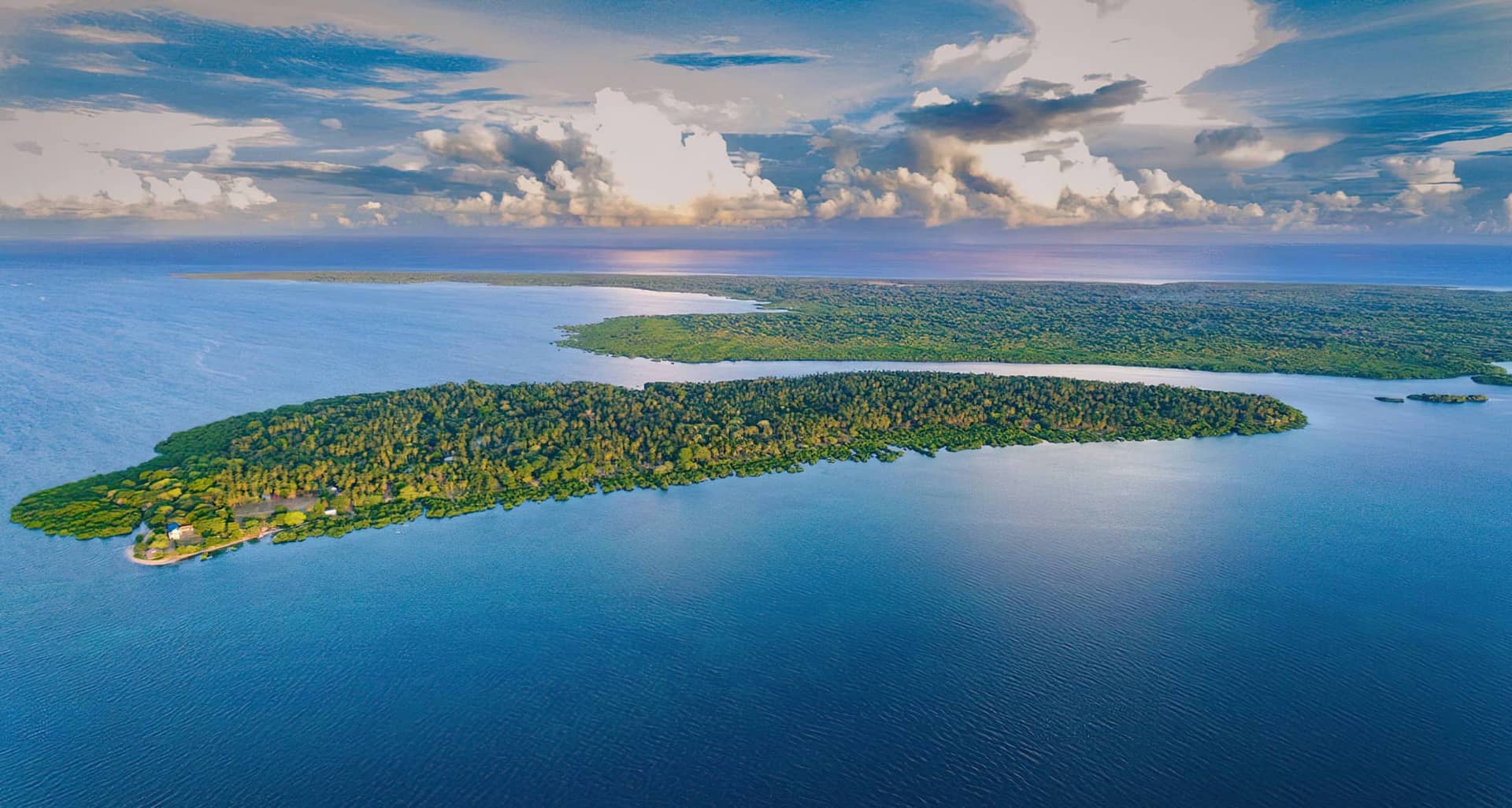
The marine park at Mafia Island extends over 822 km², with more than 75% of it below the high-water mark. The area hosts an outstanding mosaic of tropic marine habitats including coral reefs, seagrass beds, mangroves, and inter- tidal flats. Two species of sea turtle use Mafia’s beaches as nesting grounds and the area has been recognized internationally as a critical site for biodiversity.
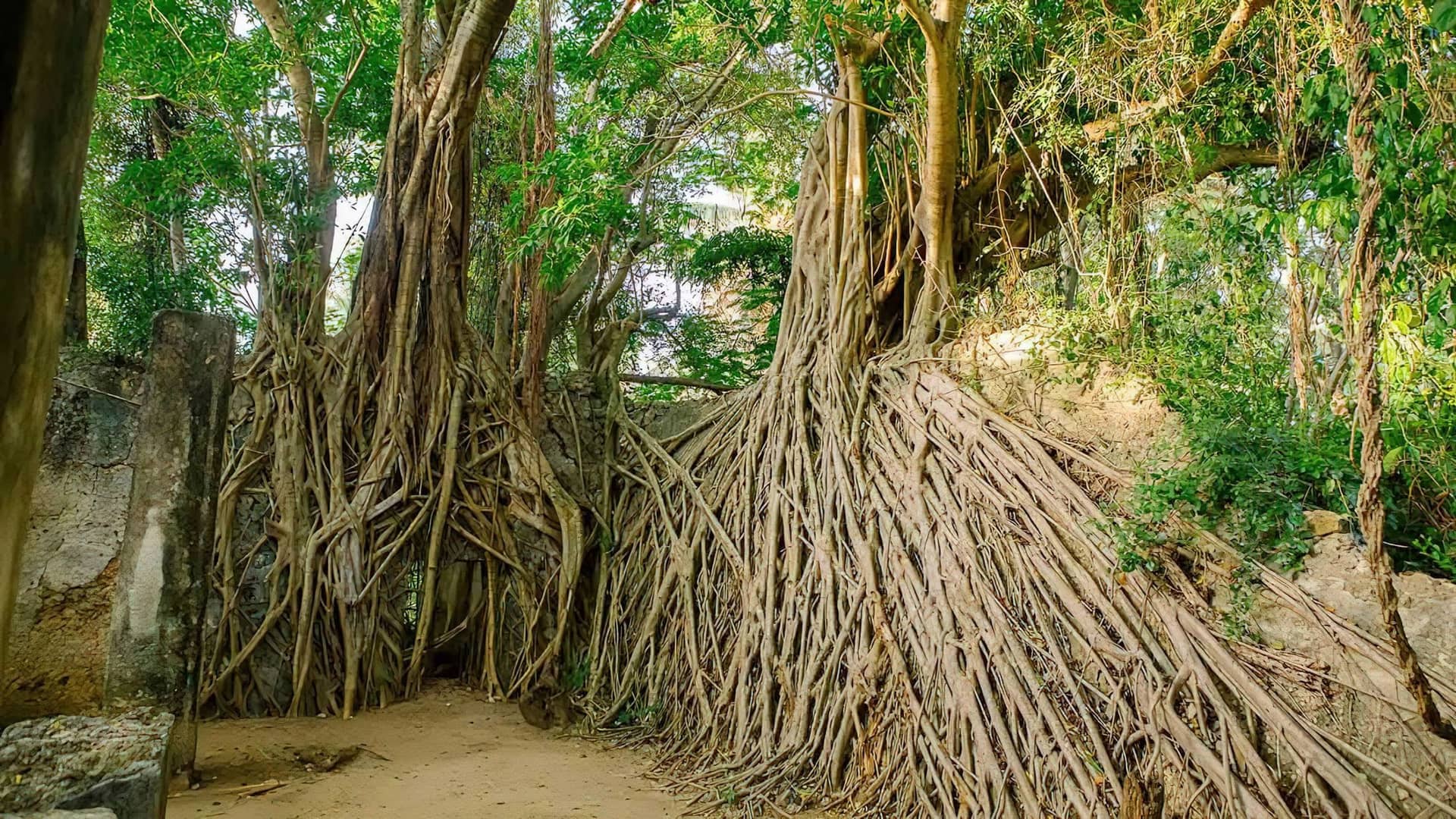
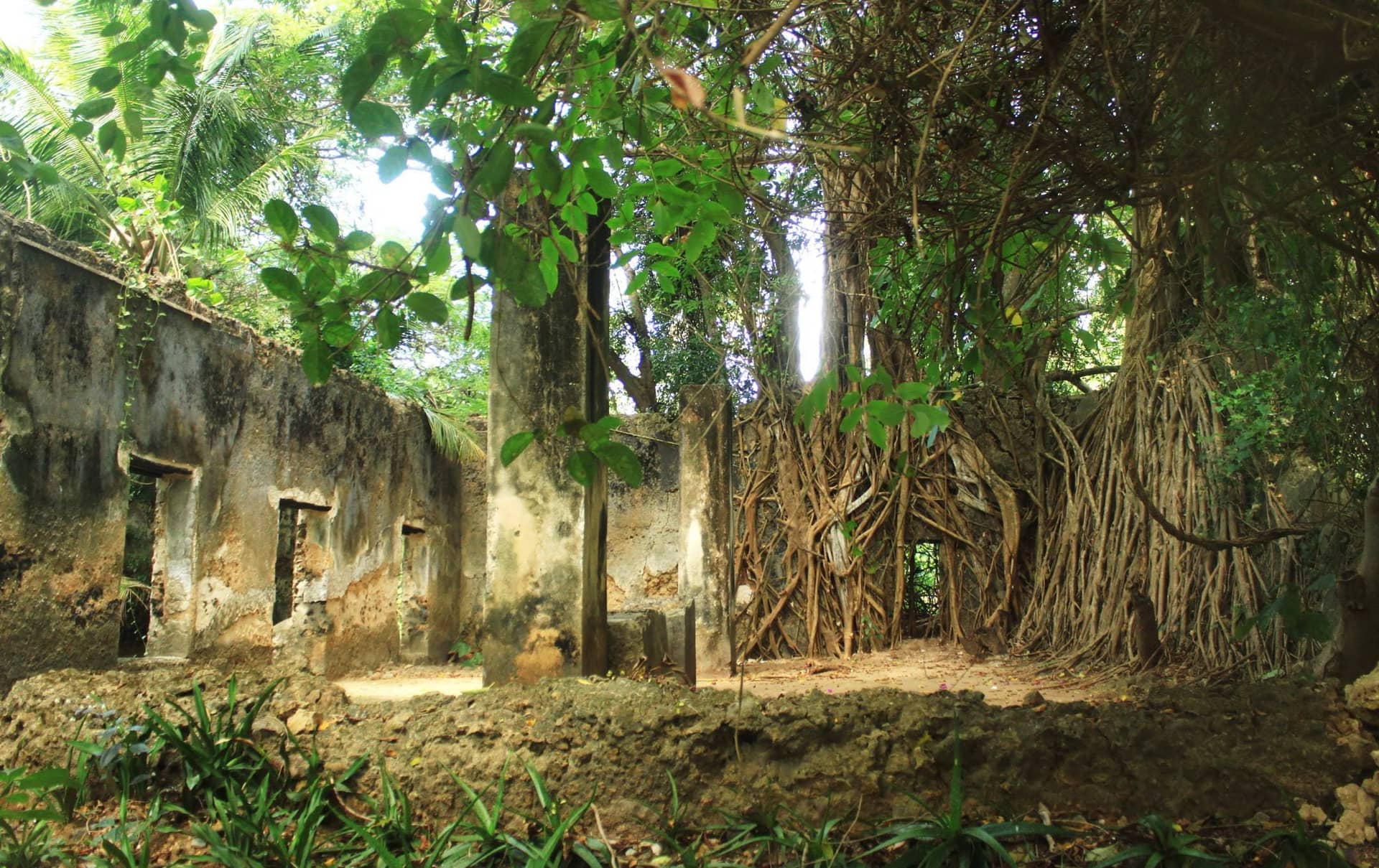
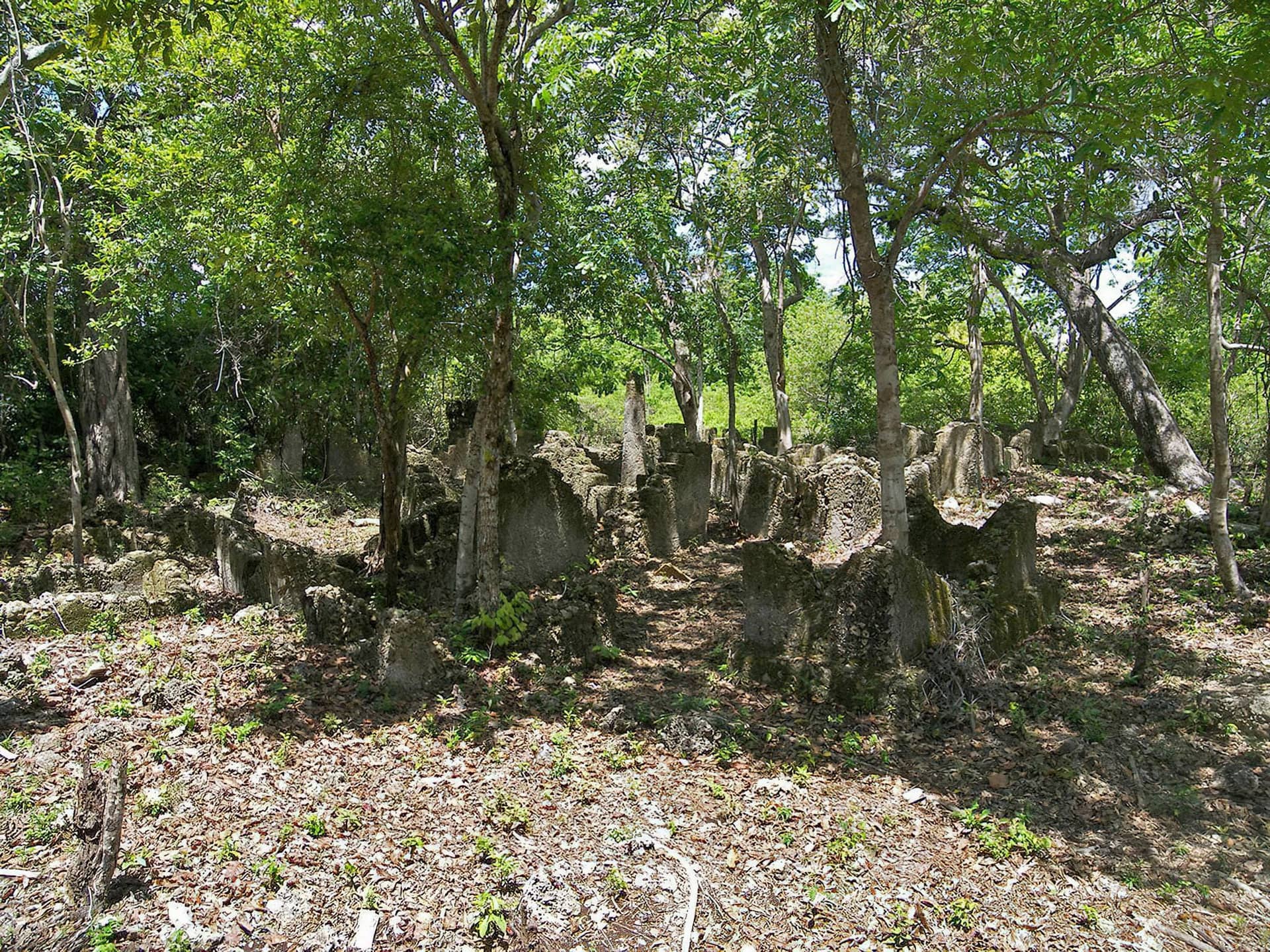
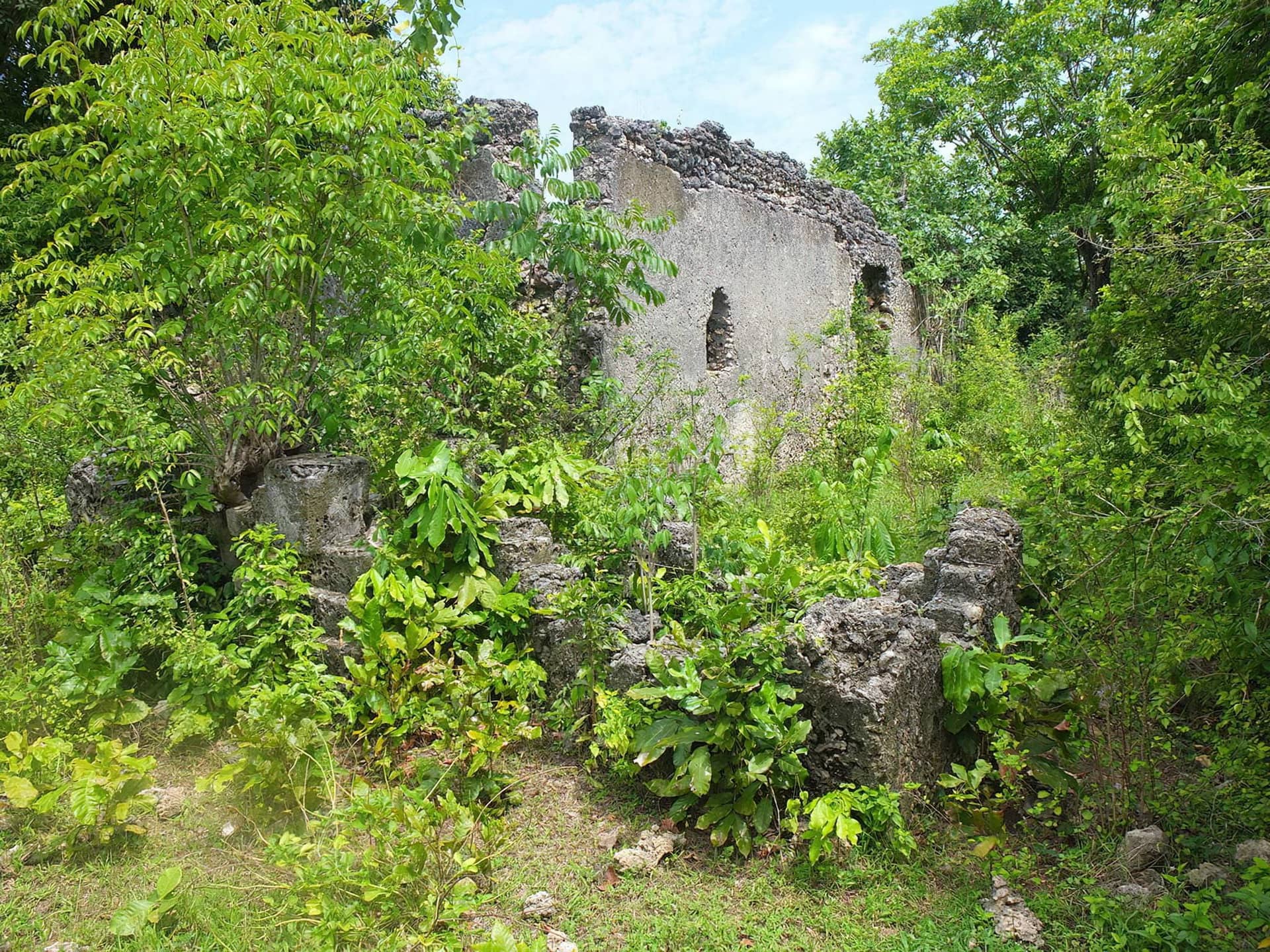
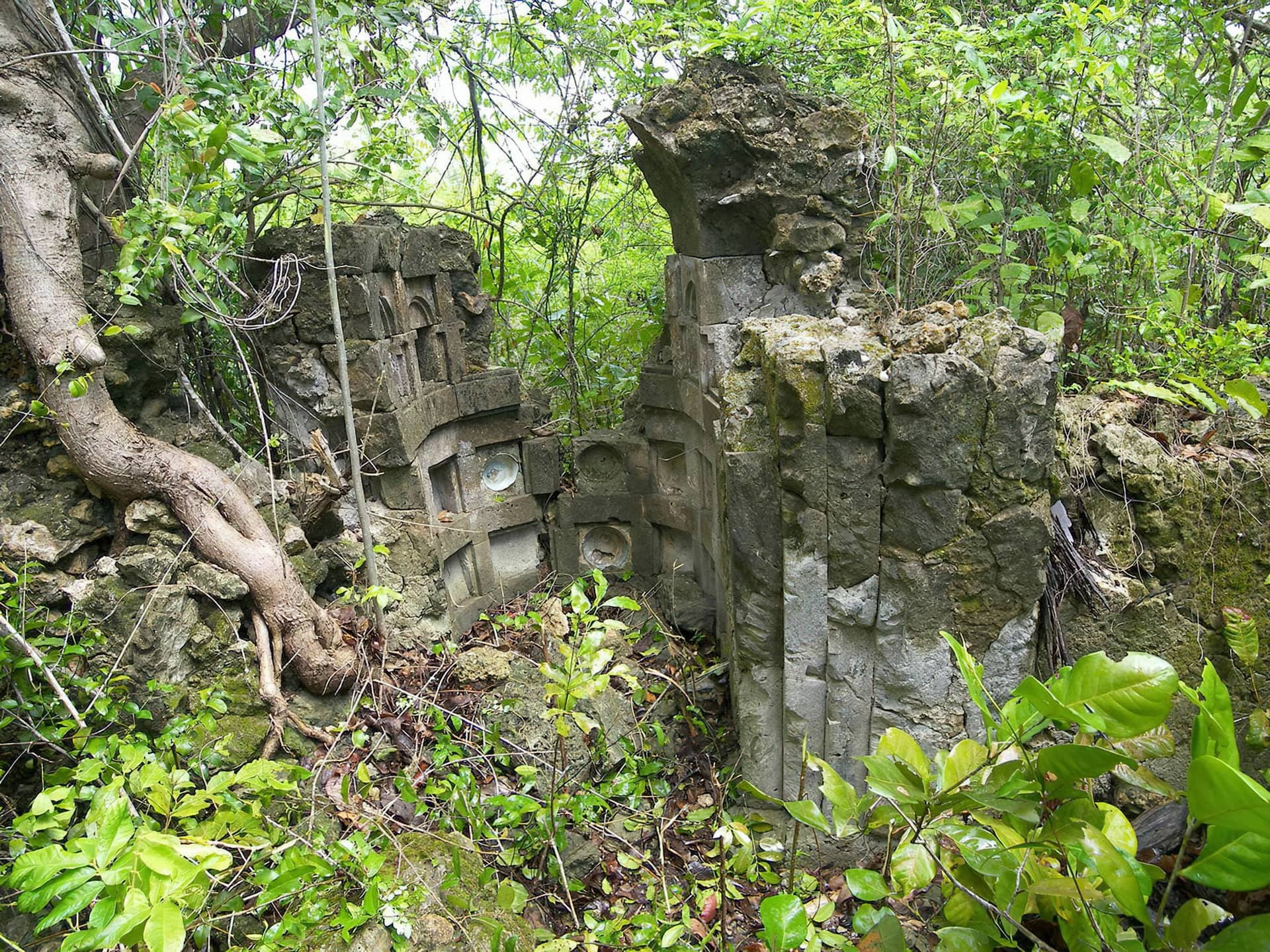
Several sites of historic ruins lie within the marine park area, some dating back to the C13th. Mafia Island’s separation from the mainland and its freedom from industrial development have ensured that its surrounding waters are some of the least contaminated in Tanzania. The marine park area has national importance as one of the few remaining reef complexes within Tanzania’s coastal waters in relatively untouched condition.
Marine Parks and Reserves are created as an important tool for conservation and tourism in Tanzania and worldwide. With the two, it is our responsibility to always balance them for the best of both present and future generations.
Scuba Diving in Mafia Island
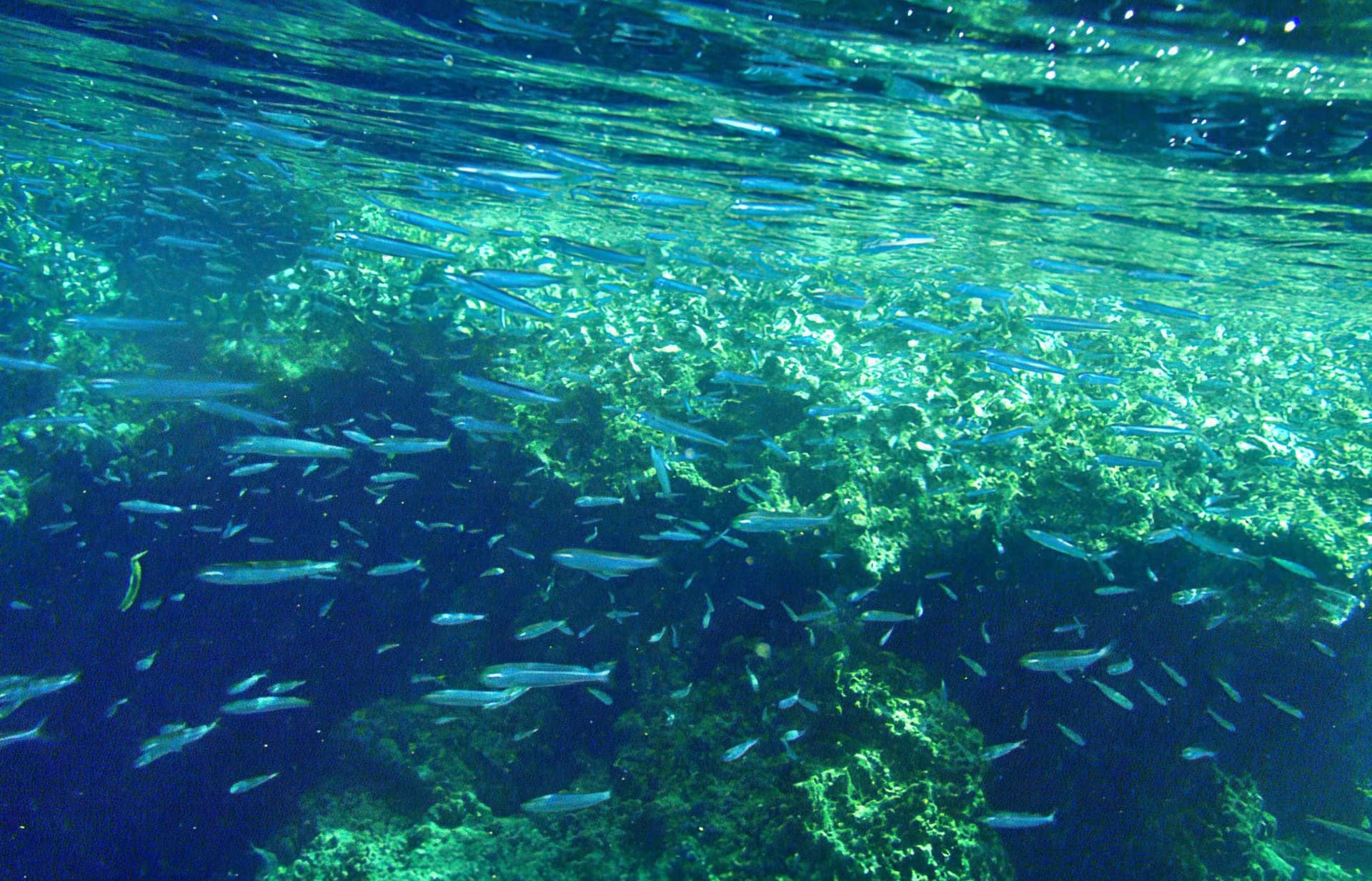
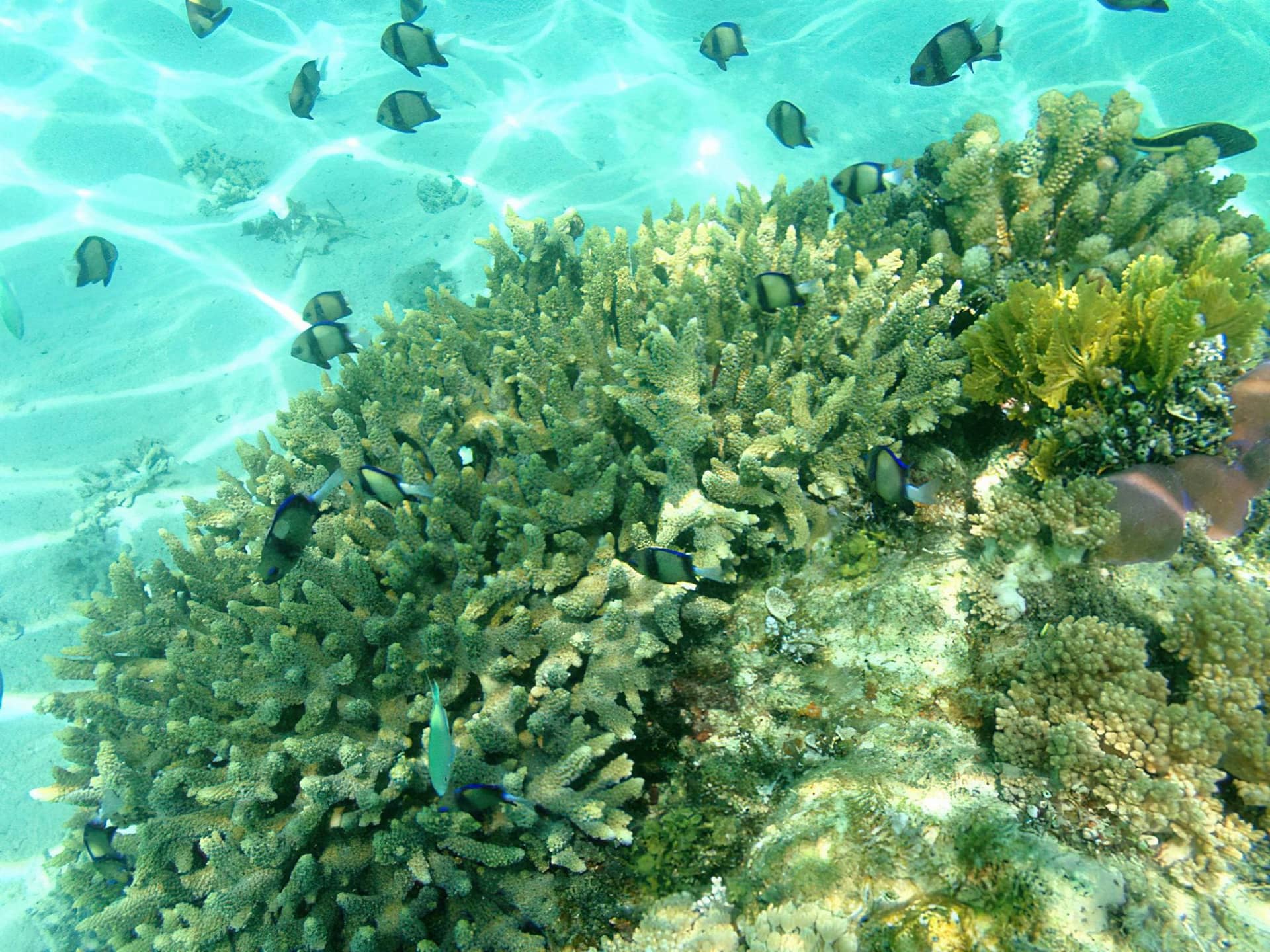
Much of Mafia Island is a protected Marine Park and among the world’s famous places for scuba diving. The diversity of marine life is excellent from invertebrates and celaphods to more than 460 species of tropical fish as well as a good healthy spread of hard and corals. On a dive you might expect to see nudibranchs, seahorses, leaf fish, groupers, Napoleons, frogfish, guitarfish and sometime elusive dugong. Whale sharks arrive in Mafia’s waters on their annual migration and can often be seen feeding on plankton upwellings in large numbers.The water temperature of the Indian Ocean is around 27 degrees celcius almost all year round.
There are many different diving centres that offer scuba diving courses and excursions for beginners up to experienced divers. As most of the scuba diving is tide dependent, departure times, types of dives and conditions vary on a day-to-day basis.
Check in advance before booking your dates for diving. If you are a keen muck diver you will want to coordinate your visit during low-tide. If you want the big stuff and reefs then you’ll want high-tide.
Chole Reef: Here, you’ll get to spot many butterflyfish, angelfish, nudibranchs and damselfish.
Milimani Reef: Extremely picturesque with unusual coral formations through which the diver navigates. Spectacular layered coral peaks. This is followed by vast Porites formations that are dome-like, with many lionfish, glass fish and moray eels. From here it slopes away to 21 m with a wide variety of soft and hard corals. This site is good in all conditions as it is only slightly affected by currents; an excellent second dive.
Kinasi Pass – The Kinasi Pass dive, rightfully famous as a stunning drift dive. The Pass has two walls, commencing with a deep 20-26 m shelving reef, then a shallower one at 6-15 m. The diver floats along a wall with small caverns and overhangs, with great shoals of juvenile and adult reef fish, barracuda and carangidae that sometimes block out the light, a vast array of corals, parrotfish, large groupers and pelagics coming and going with the tide. A fantastic dive.
Kinasi Wall: This is a sheltered bank reef, moderately deep and steeply sloping from 8 to 21 metres. It runs south-east: north-west for approximately 800 m and is an excellent dive on a slack tide or with a slight incoming current. It is in superb condition and composed of many species of hard and soft corals and supports a great variety of shoaling and solitary fish and giant clams, seafans, large groupers, and Napolean wrasse; there are abundant reef and pelagic fish, and turtles (especially the hawksbill) are often seen. One of our most popular dive sites.
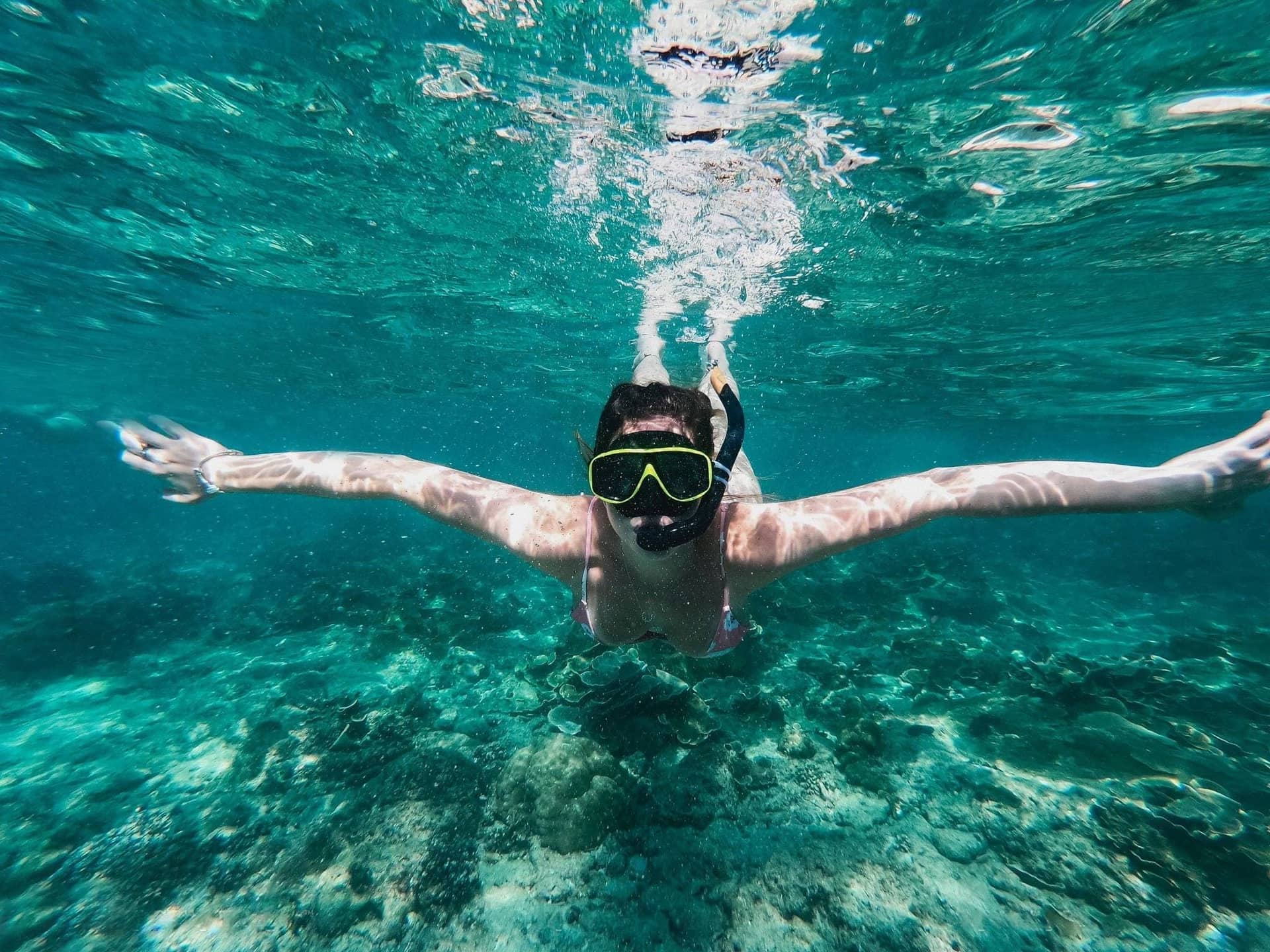
Coral Garden: A very large area of beautiful coral outcrops or “bommies”, lying in a wedge behind the Kinasi and Chole walls. The coral is very densely packed and continuous behind Kinasi wall; elsewhere the coral is separated by seagrass and sand patches. This is an excellent site for photography with a very high diversity of fish, colourful corals and anemones and the shallow water makes visibility excellent. This is a shallow water dive, often undertaken as the last phase of one of the wall dives. Excellent for snorkelers behind Kinasi Wall at low tide.
Msumbiji: This site consists of a small primary reef with a variety of soft and hard corals on slopes and sheer walls down to 15 m. Away from the central formation are spires of coral that provide archways and overhangs for the diver to explore. Beautiful anemones of fluorescent red colour and rays (especially blue spotted) are common. This site is a good introductory dive but has unpredictable visibility conditions
Pinnacle: The Pinnacle is a 12 m spire of ancient coral rock (7o57’005S/39o47’850E) lying in the inner Kinasi Pass, close to the last rock island. Maximum depth is 24m at the base of the spire. This is a spectacular dive for the unusual structure and the mixture of reef and pelagic fish in the channel. Home to a very large potato cod and a very large resident moray in a hole on the “whale-back” of rock that slopes off the western side of the stack and many giant batfish.
- Diving Sites in Mafia Island
- Soulder
- Jena Reef
- Jena Wall
- Jena Pass
- Dindini South
- Dindini North
- Juani North
- Juani South
- Kitutia Reef
- Mange Reef
Highlights
Scuba Diving in Mafia Island
Much of Mafia Island is a protected Marine Park and among the world’s famous places for scuba diving.
Know Before You Go
Trip Snapshot
- Location Mafia Island, Pwani – Mafia Archipelago
- Scuba Diving in Mafia Island Day Trip · Beach Holiday · can be tailor-made
Things to Do
- Scuba Diving
Good to Know
To reach mafia one no longer sails as the first option, but rather take a flight in light aircraft from Dar es Salaam or Zanzibar, or one of the game parks such as the Nyerere National Park. Coastal aviation and auric air both offer multiple daily flights, which take approximately 30-50 minutes. The experience is fantastic, with great views of the African bush and coastline.
The distance between Zanzibar City and Mafia Island is 198 km. It takes roughly 30 to 40 minutes flight from Zanzibar and Dar es Salaam respectively
Mafia Island enjoys two rainy seasons, similar to the mainland. In November and December and March to May. The first best time to visit is from October to February offering the best visibility The second-best time is June to September as it is the coolest time.