Nyerere National Park
Nyerere National Park is the northeastern part of the huge Selous Game Reserve set aside for photographic safaris, which was upgraded to the national park status in November 2019.
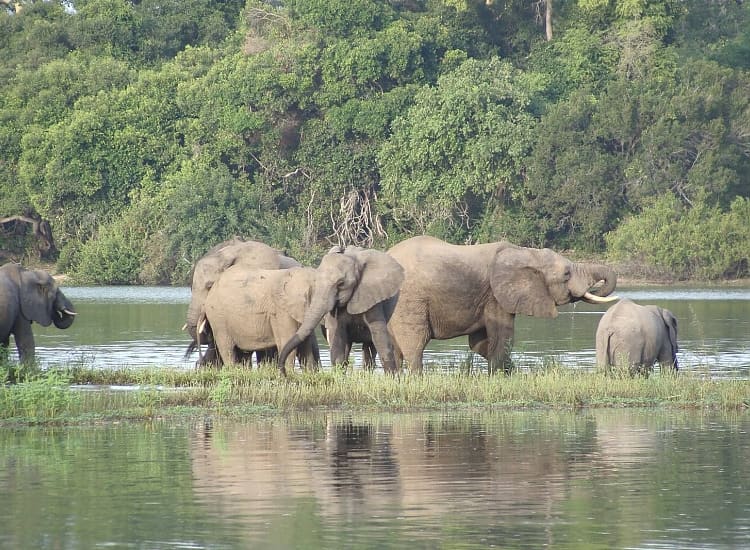
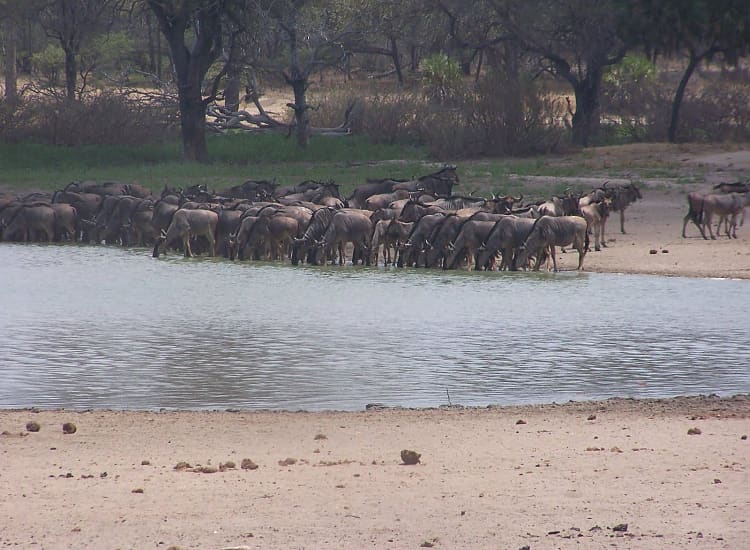
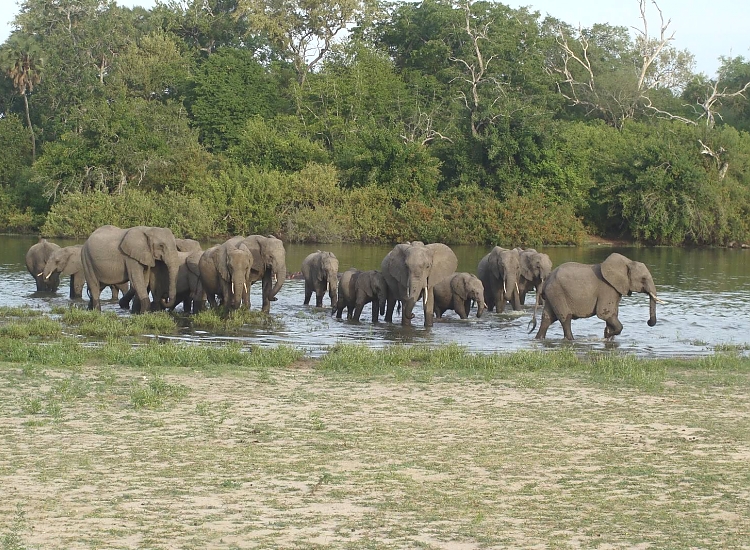
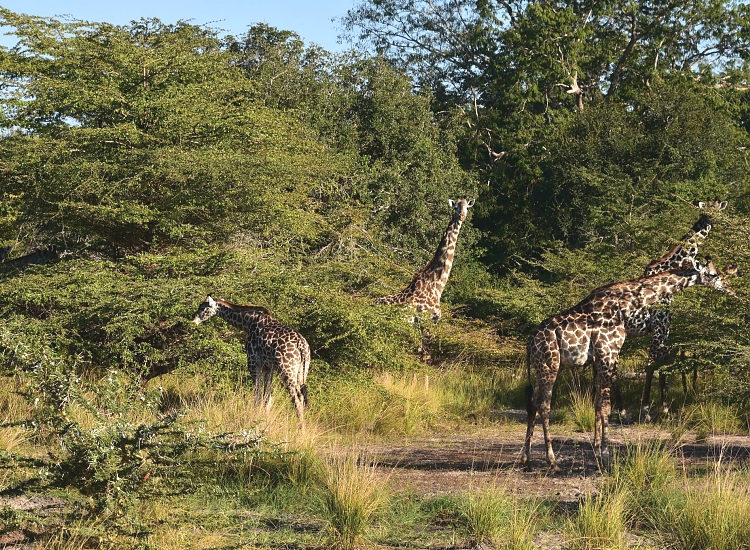
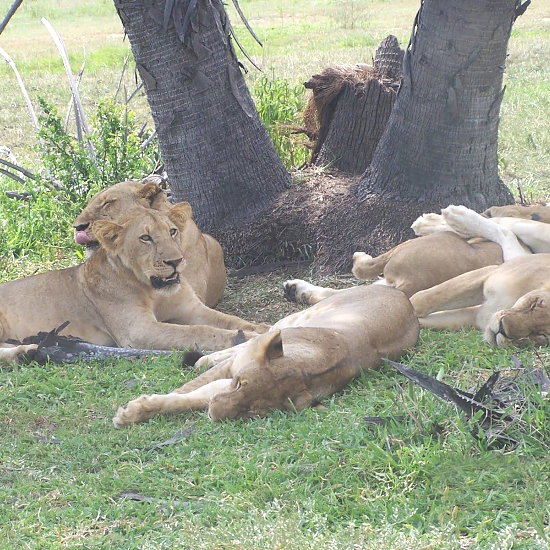
Nyerere National Park is the northeastern part of the huge Selous Game Reserve set aside for photographic safaris, which was upgraded to the national park status in November 2019. The park was named after the first president of Tanzania, Mr Julius Nyerere (late), in recognition for championing conservation and protection of wildlife in the country. Nyerere National Park, is one of the most beautiful and game-rich areas in the ecosystem of Selous Game Reserve, spanning the Rufiji River basin in southeastern Tanzania.
Selous Game Reserve was established in 1922, and in 1982, was named after Frederick Selous Courtney who was a great Hunter and explorer. it was declared a UNESCO world heritage site thanks to its rich diversity of wildlife and uninterrupted nature.Nyerere National Park is located in south eastern Tanzania, bordered by Mikumi National Park to the northwest and Udzungwa Mountains National Park to the west.
With an area of about 30,893sqkm, Nyerere National Park is the largest national park in Africa. It is perhaps one of the most pristine wildernesses still remaining in Africa, with a wide variety of wildlife habitats, including open grasslands, Miombo woodlands, swamps and riverine forests in the many tributaries of the mighty Rufiji River which flows through the National Park to the Indian Ocean.
Its wildlife is spectacular, with some of the largest population of mammals and reptiles in Africa, including buffaloes, elephants, hippos and crocodiles which can be seen here. Nyerere National Park, together with the remaining part of Selous Game Reserve, is considered to be the last stronghold of the African wild dog. Other common wildlife include the wildebeest, zebra, giraffe, eland, the greater kudu, sable antelopes, black rhino, waterbuck, impala, lion, leopard, the spotted hyena, cheetah, baboon, vervet and blue monkey, and the black and white colobus monkey which can be viewed in riverine forests. About 440 species of birds both resident and migratory have been observed in the national park.