Overview
Udzungwa Mountains National Park was established in 1992 and covers an area of 1990 km² where geographically, 20% of the total area lies in Morogoro region while the remaining 80% being in the southern highland region of Iringa. The word "Udzungwa" comes from the word "Wadsungwa" referring to one of the native sub tribes of the "Hehe" people who once lived in the slopes of the mountains.
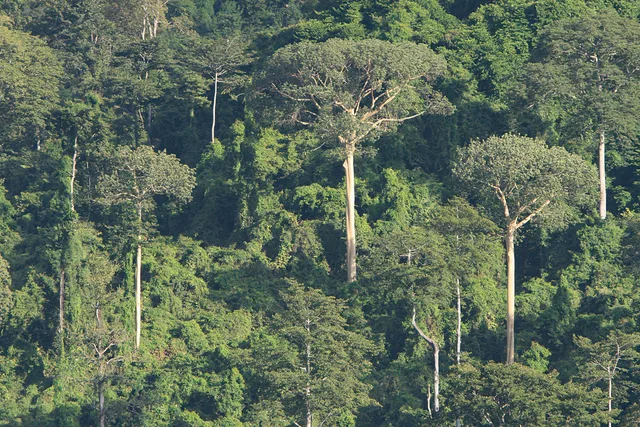
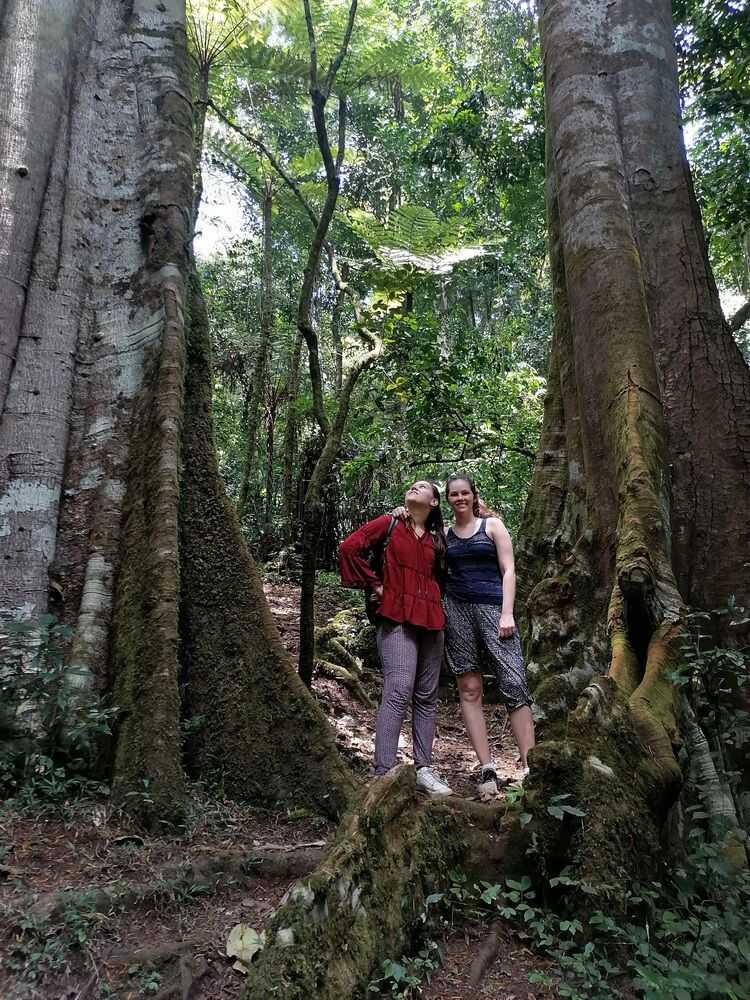
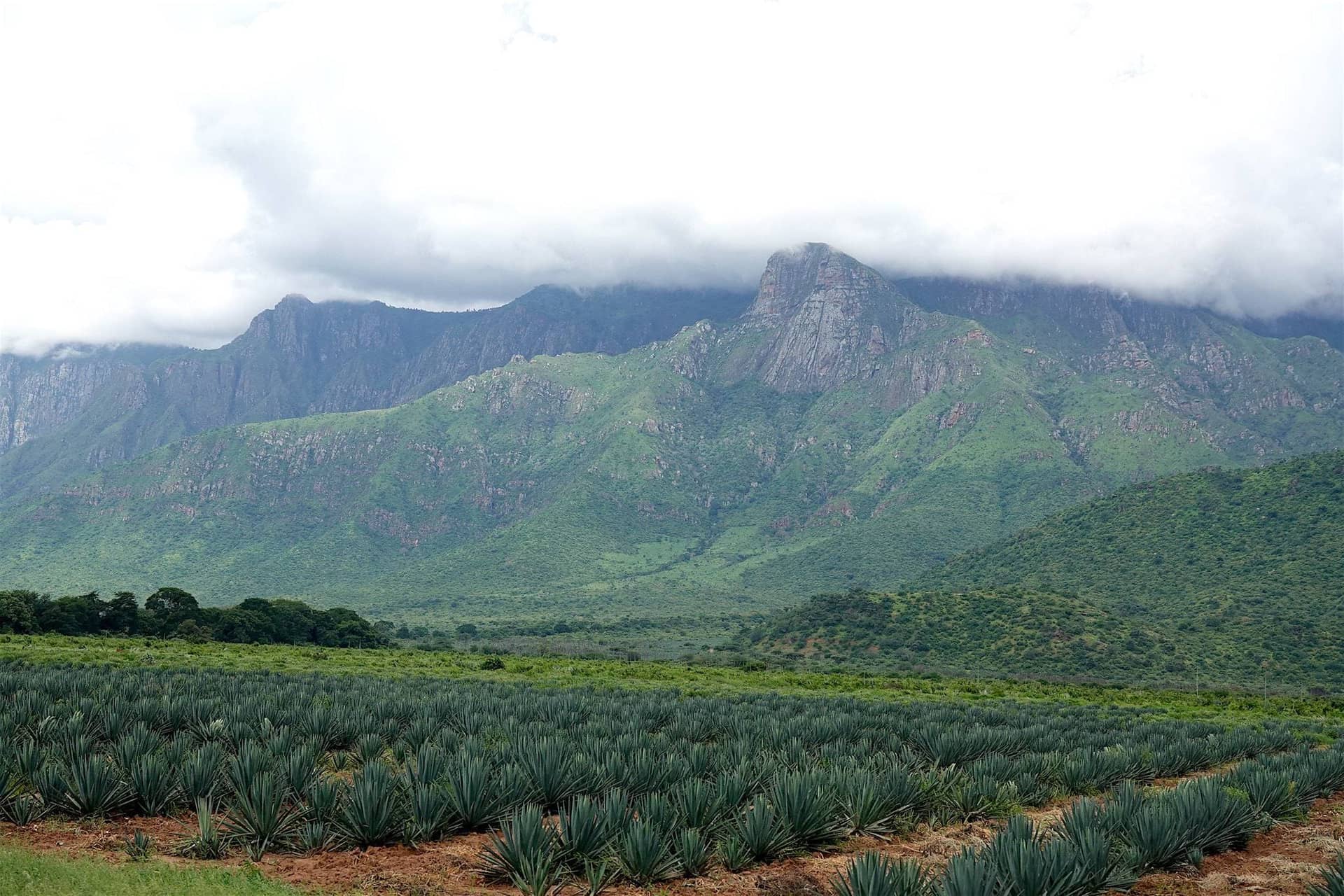
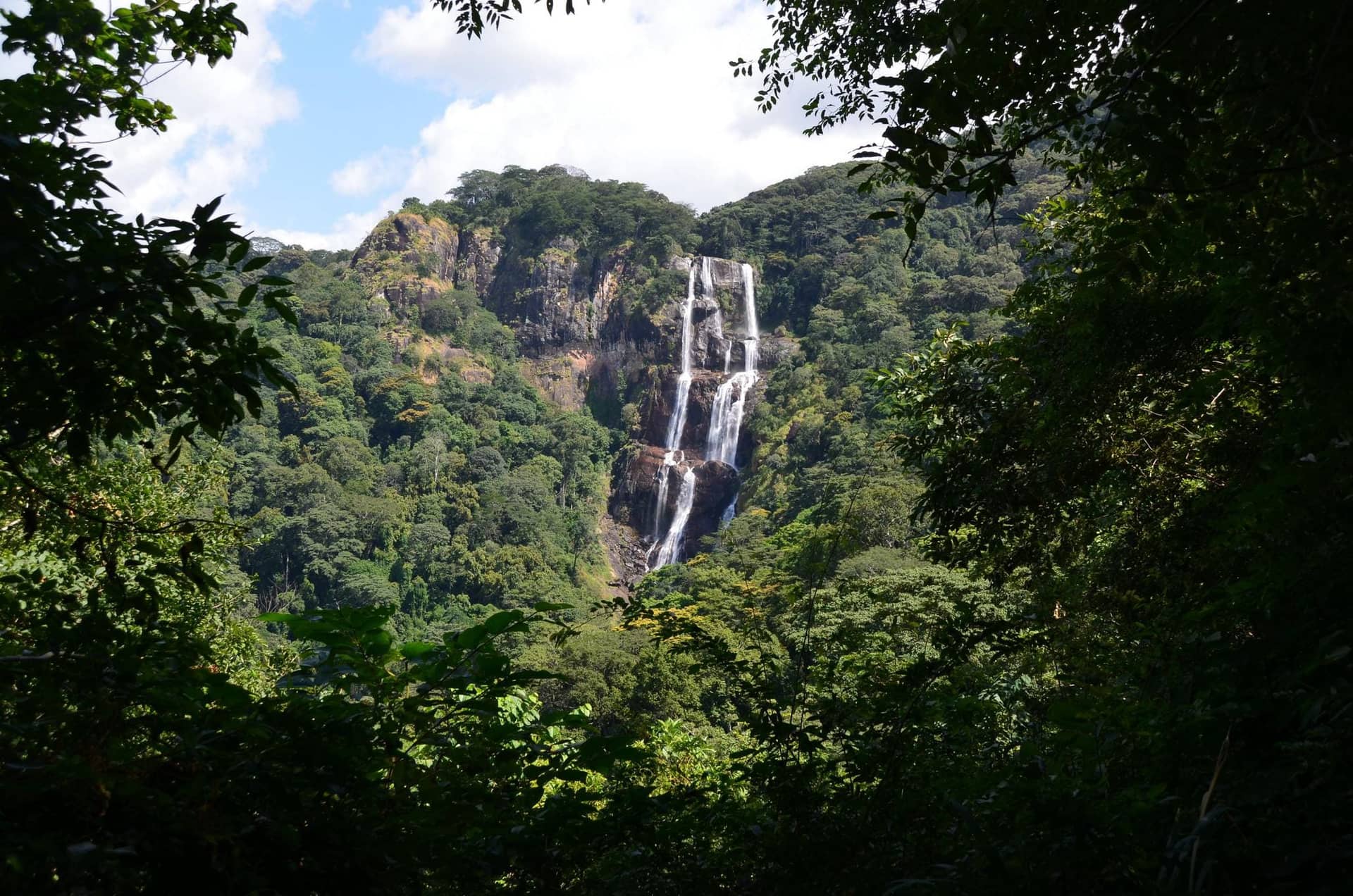
Udzungwa National Park harbours one of East Africa’s great forests and the biodiversity of the park contribute the most significant attractions for visitors. The diverse habitat includes tropical rainforests, mountain forests, Miombo woodlands, grasslands and steppe. The major drawcard includes its biologically diverse forest, harbouring some plant species found nowhere else in the world, from a tiny African violet to 30-metre high trees.
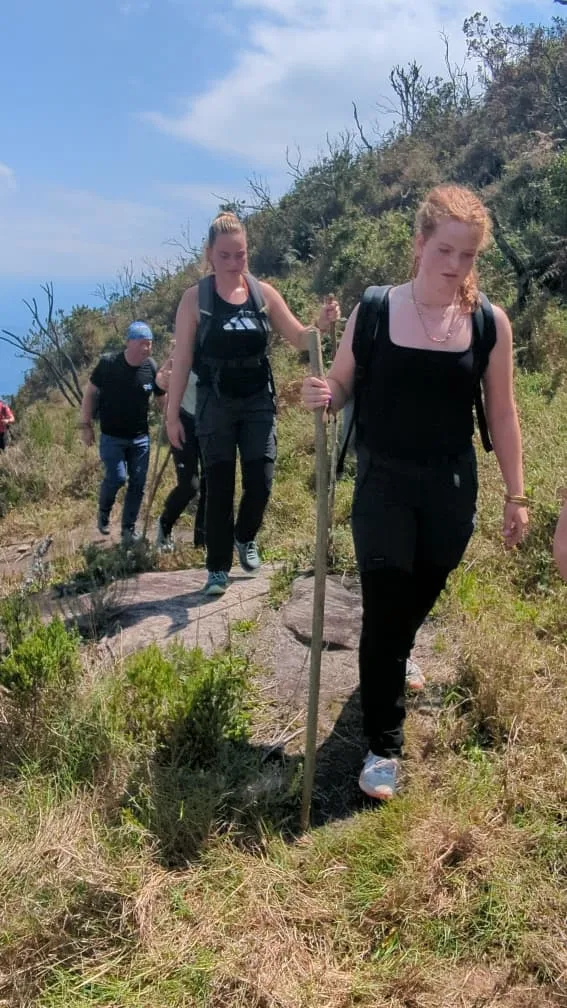
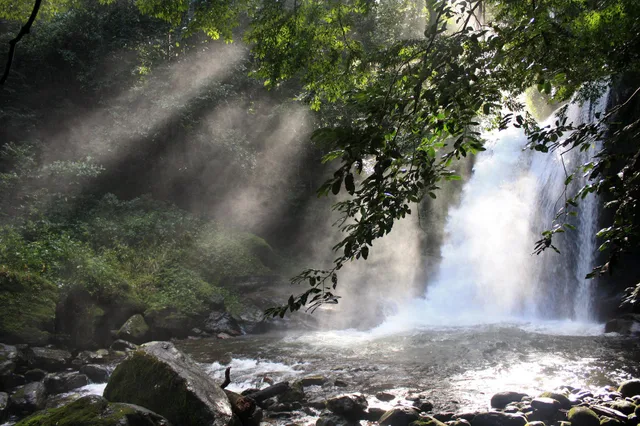
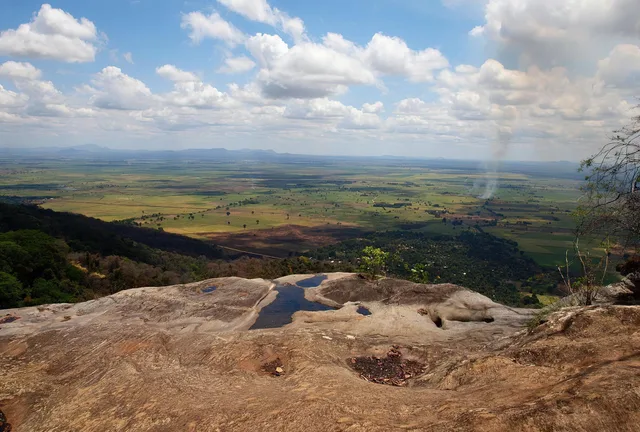
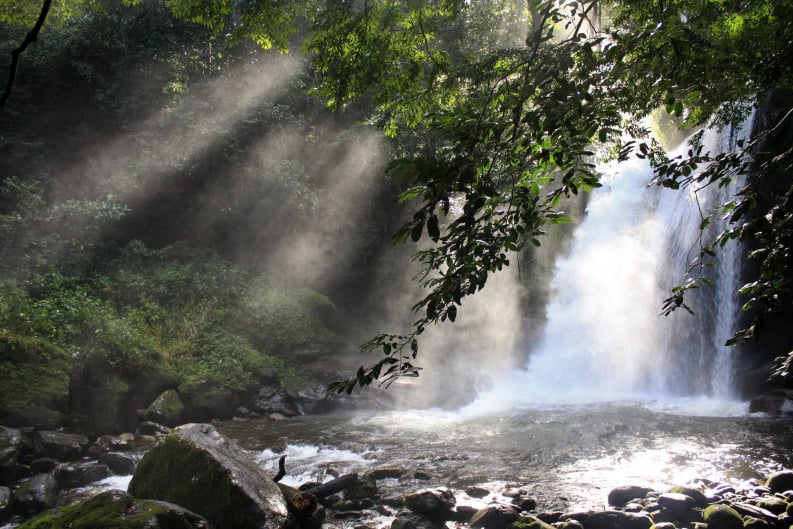
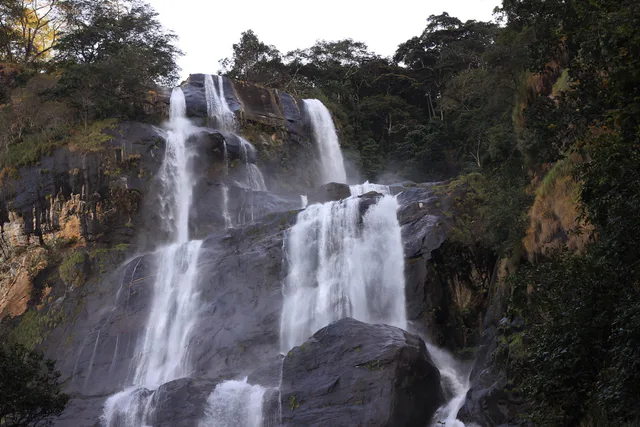
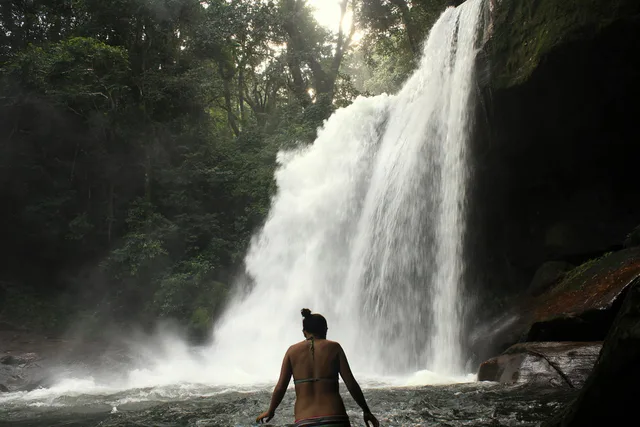
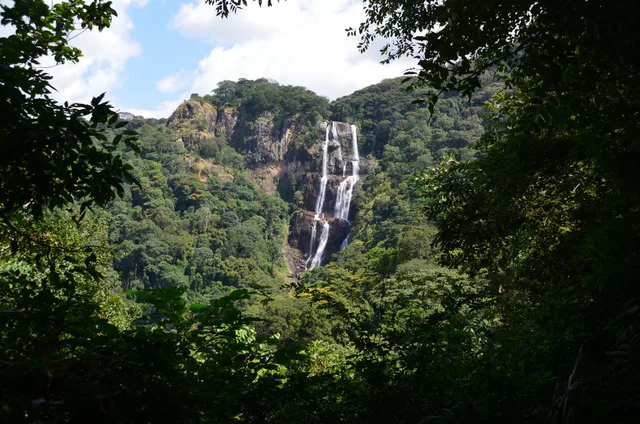
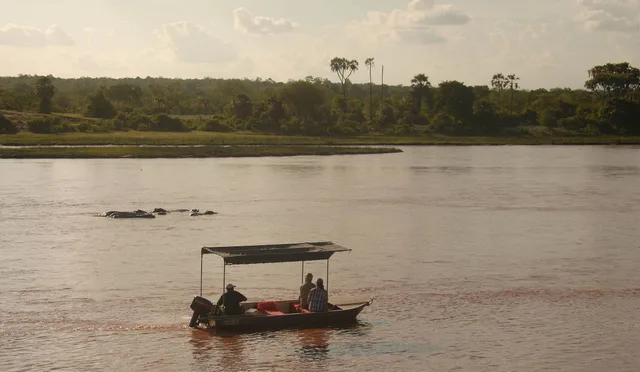
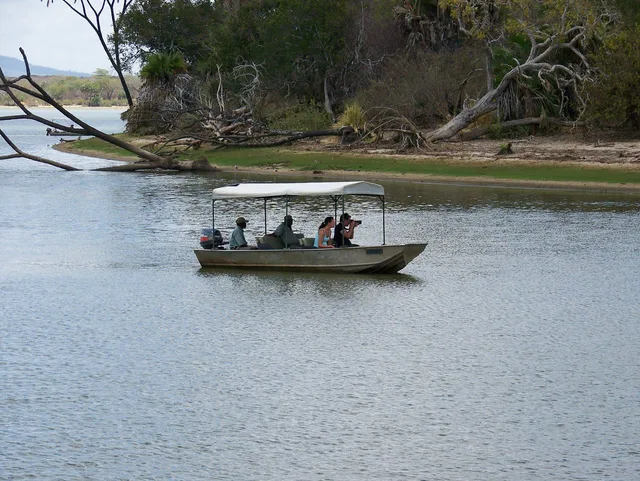
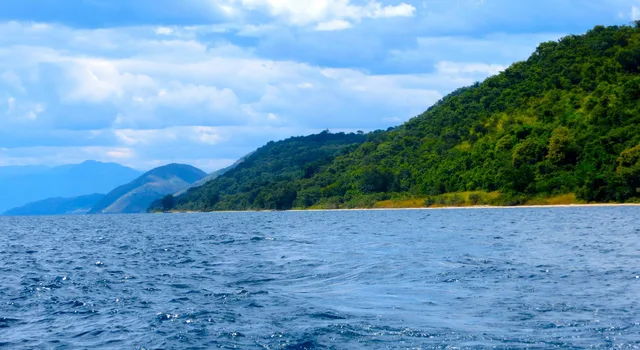
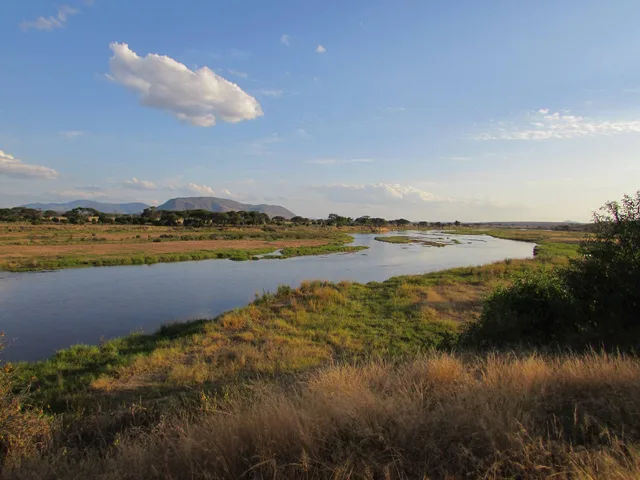
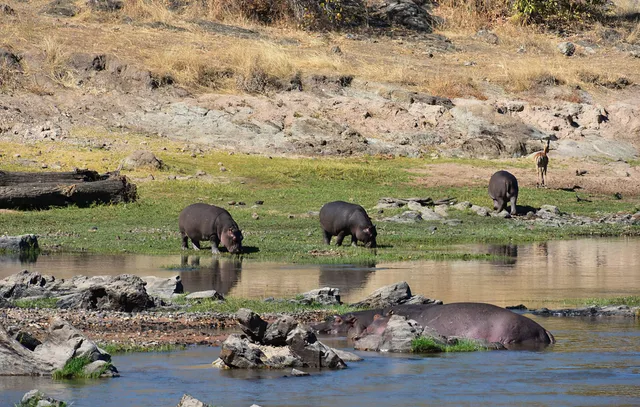
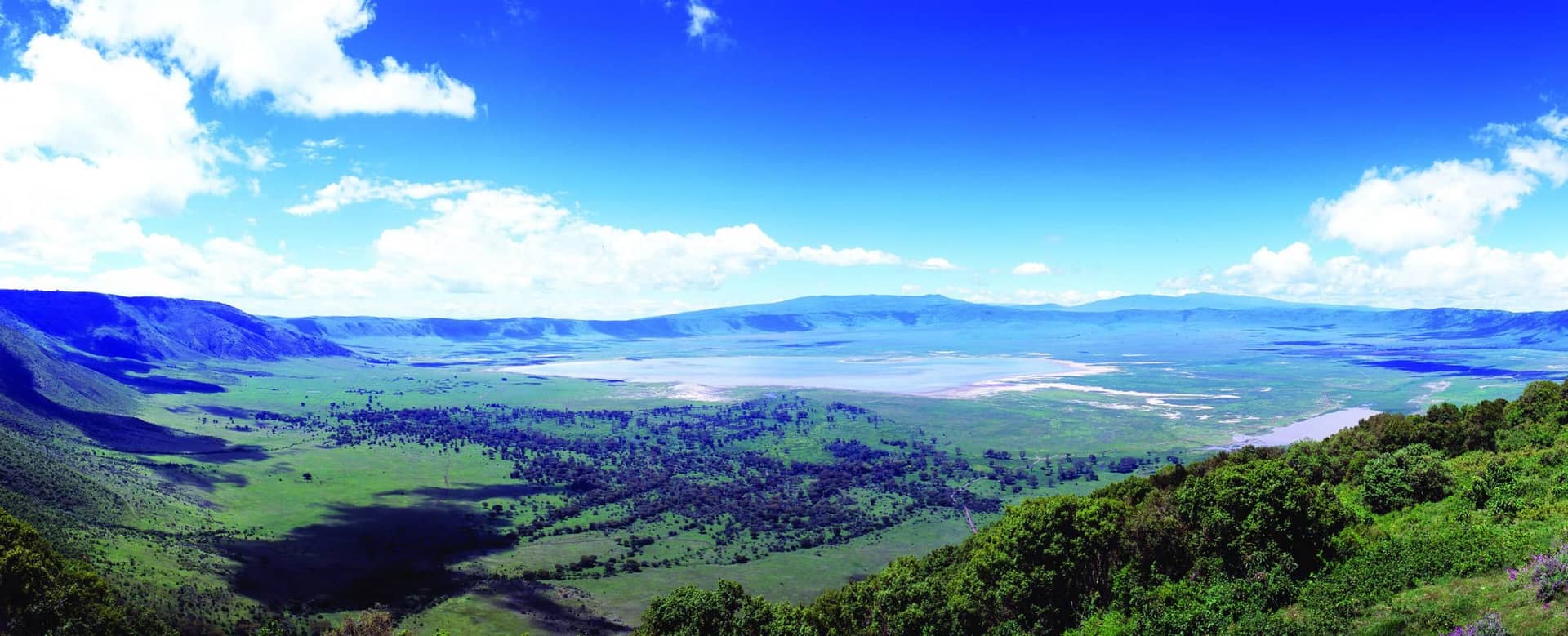
The spectacular mountains scenery, grasslands, rocks, rivers and waterfalls and unique collection of flora and fauna are the treasure-trove of Udzungwa National Park.
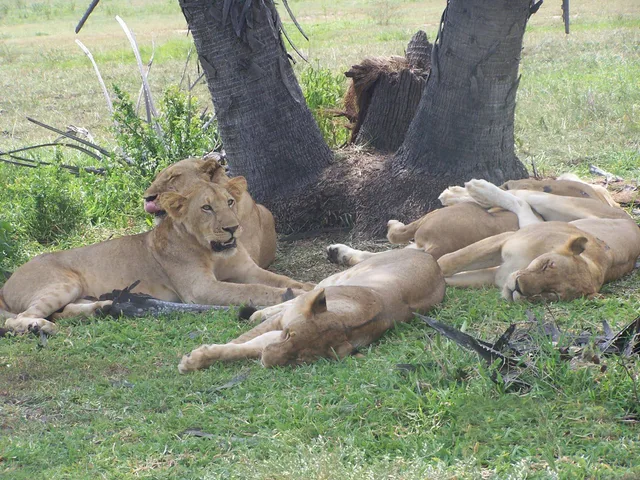
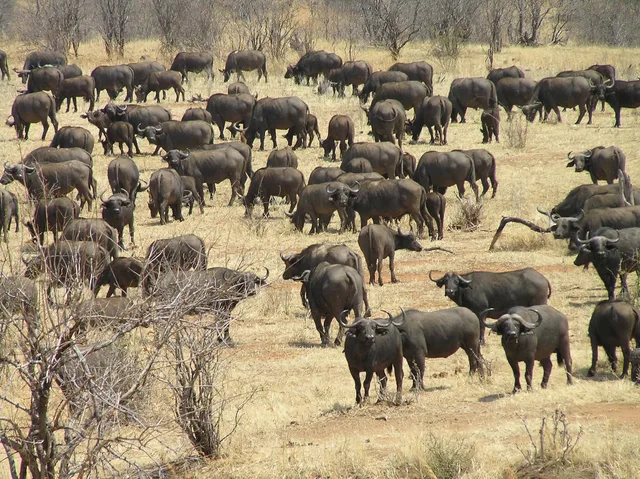
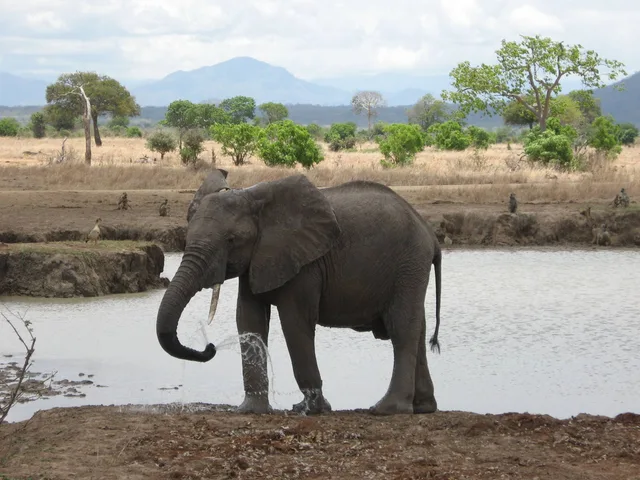
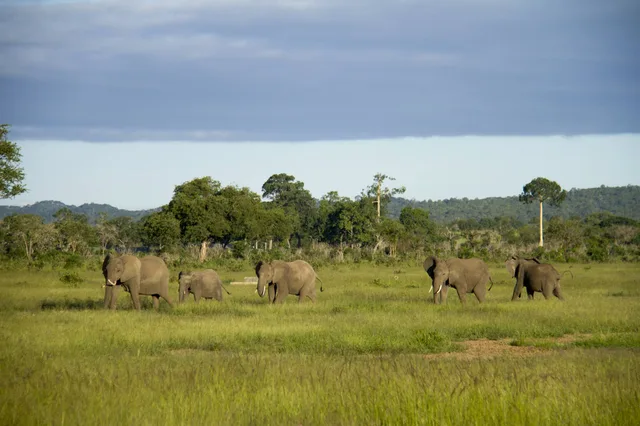
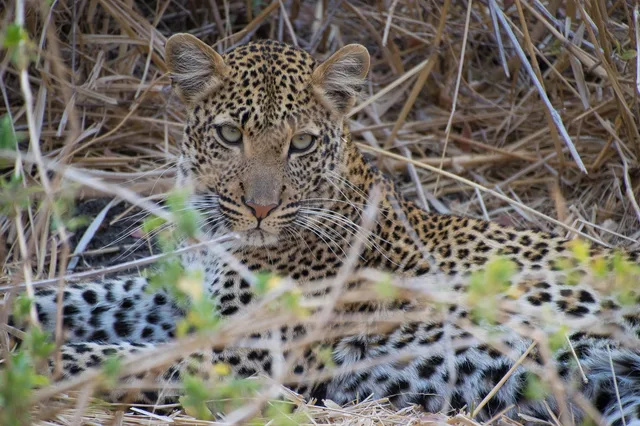
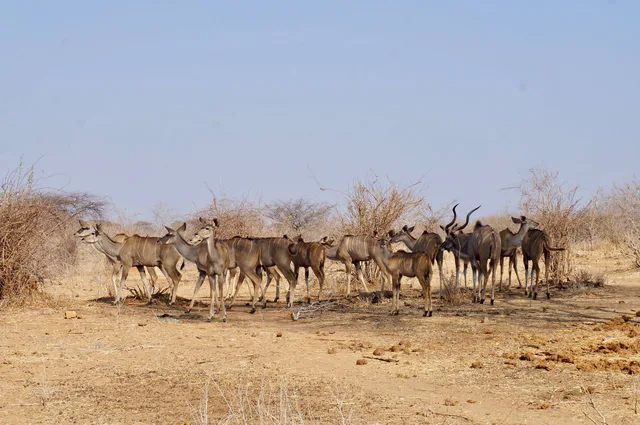
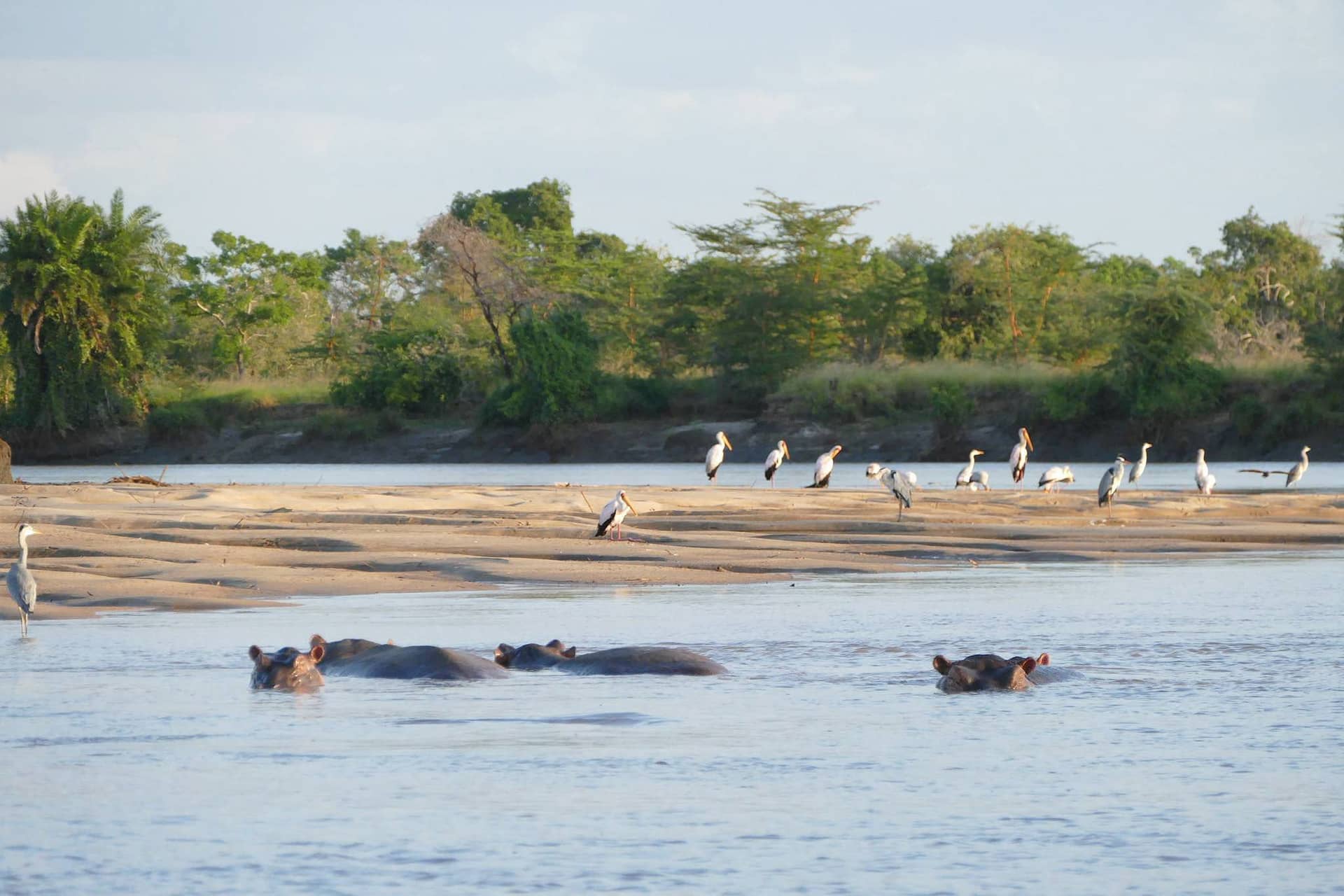
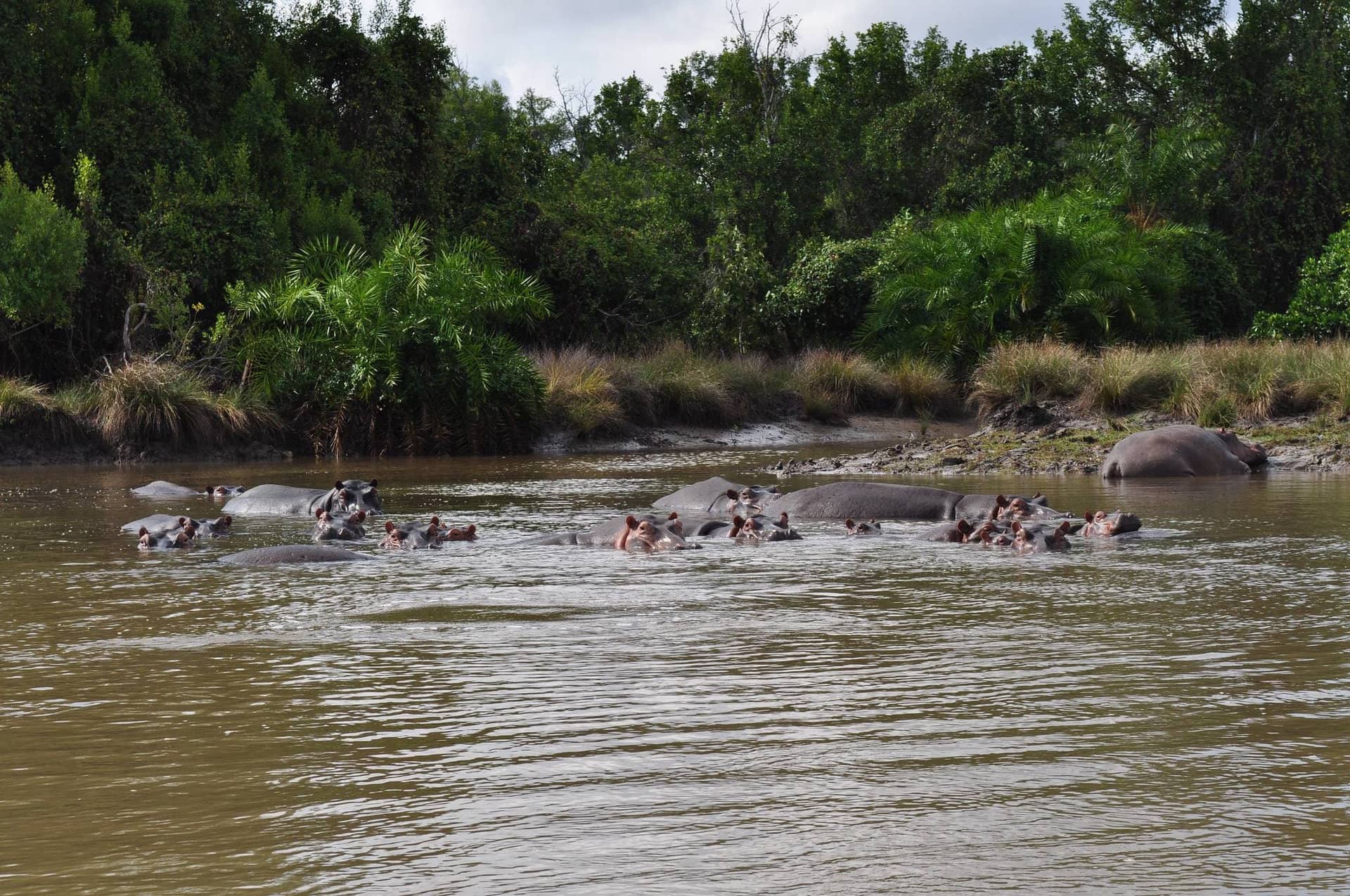
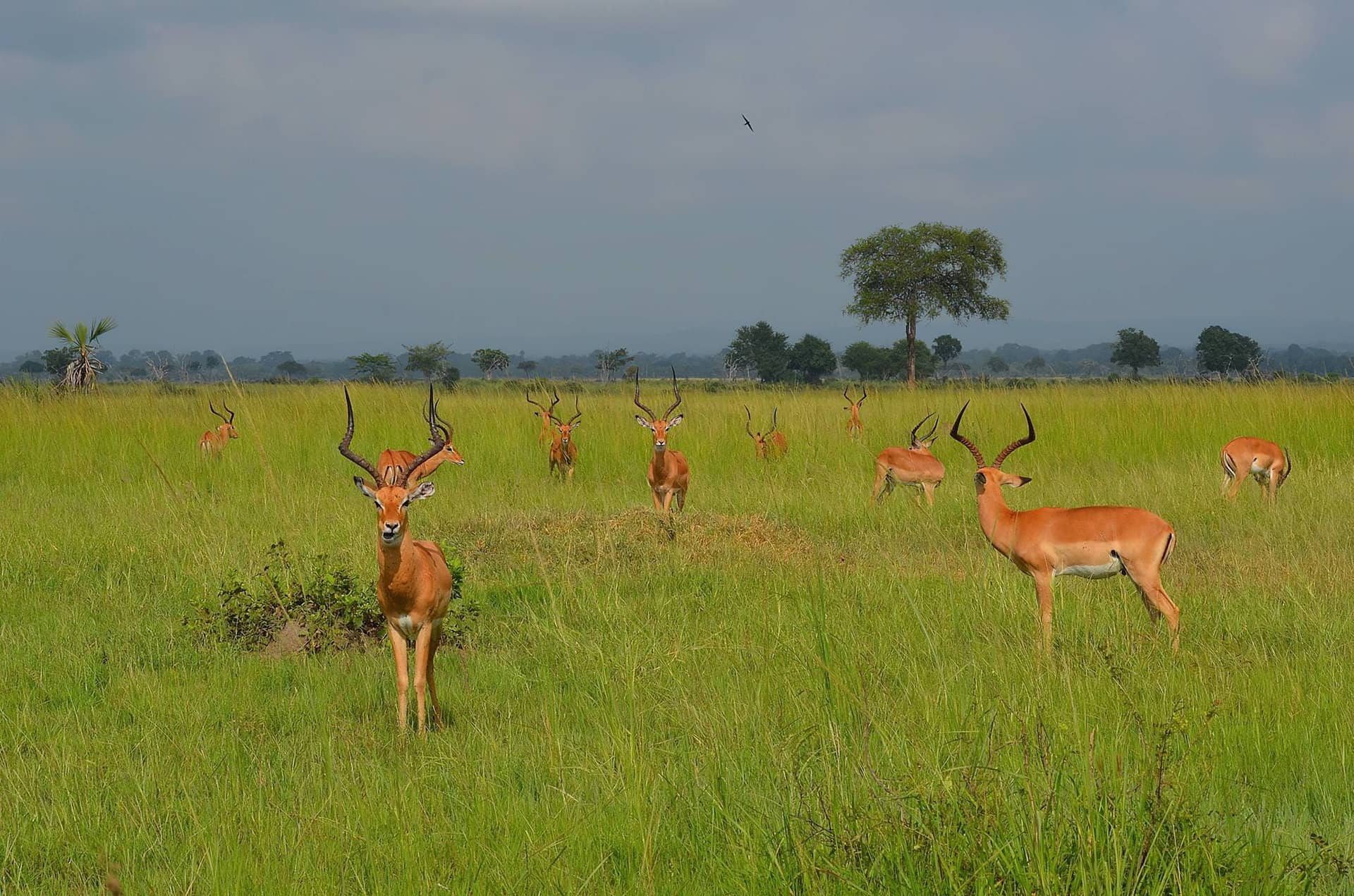
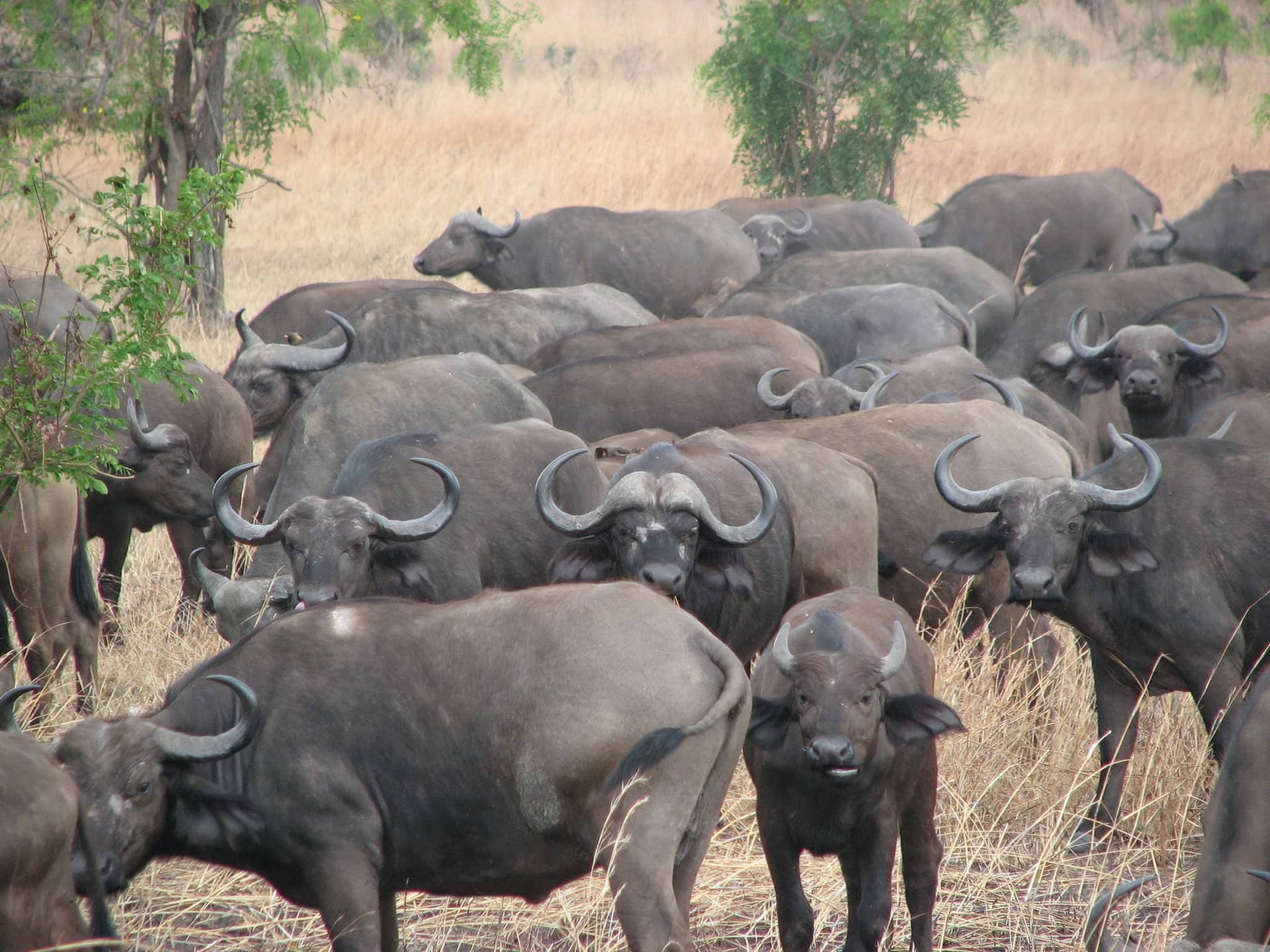
The wildlife spotted in the park includes elephants, leopards, bush bucks, duikers, palm civets, Miombo genets, elephant shrews and hyenas. In addition to the wild animals the park also harbours some species of primates. Among the primates Iringa red colobus and the Sanje crested Mangabey are the unique ones.
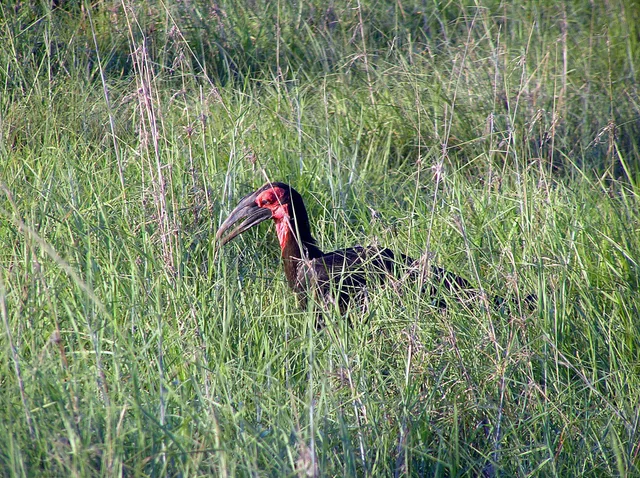
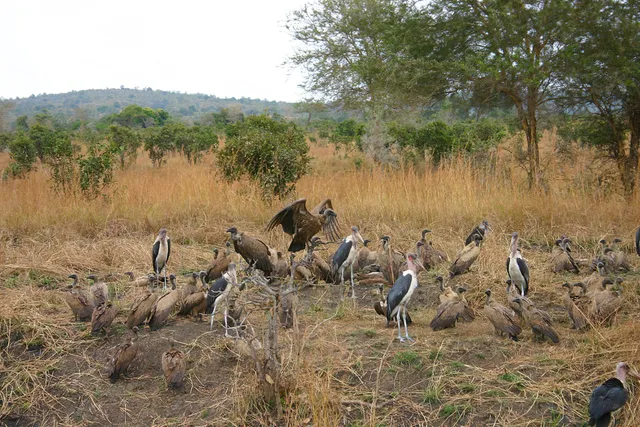
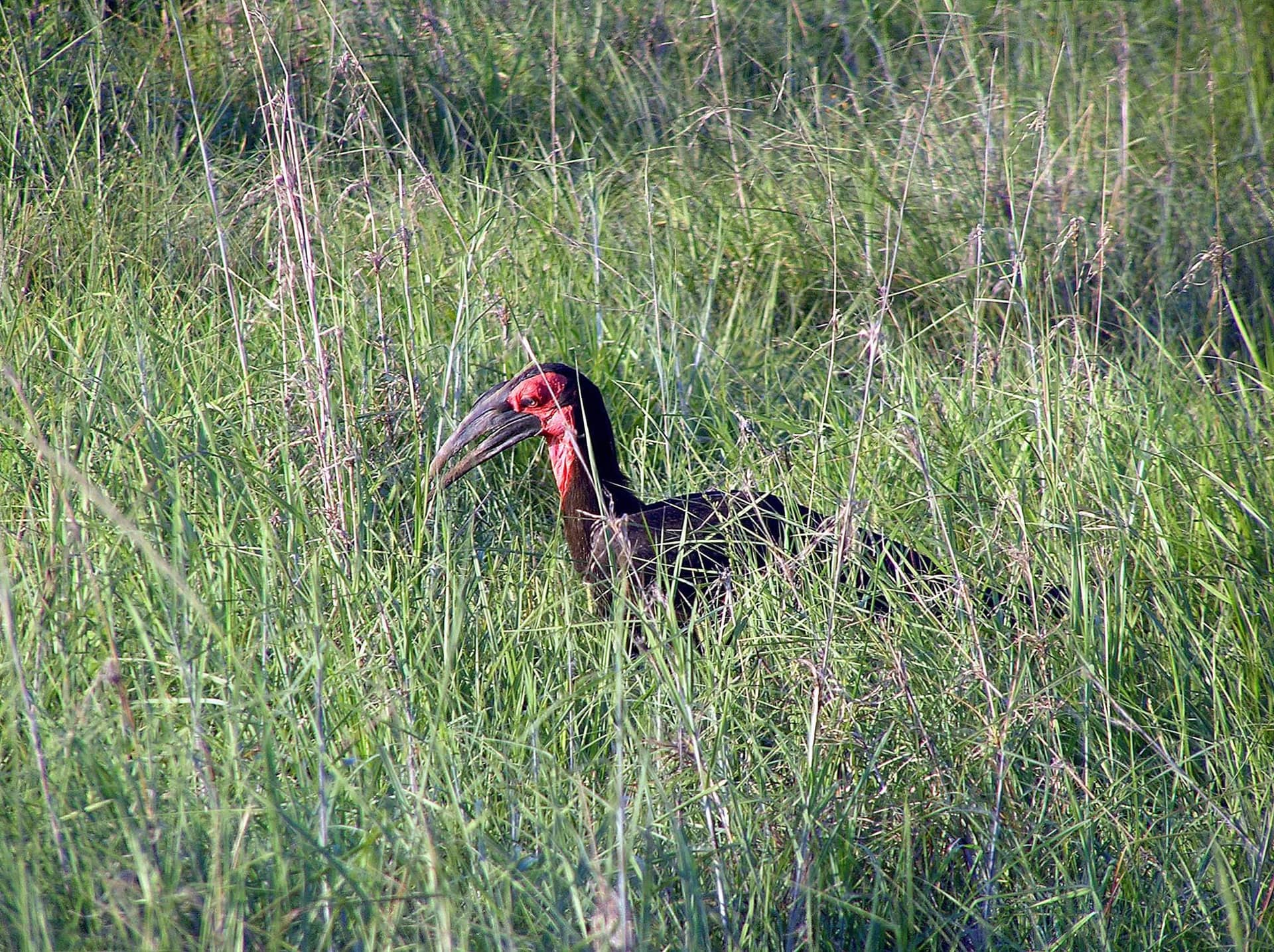
With more than 400 species of birds, the park is also a treat for bird-lovers. Some common birds include crowned eagles, ruppells vultures, woodland kingfishers, silvery cheeked hornbills marabous, malachite kingfishers, and trumpeter hornbills.
Your trips can be tailor-made according to your travel preferences, what you want to see, and the time of year, so don’t hesitate to let your operator know exactly what you want in your Tanzania Safari.
Highlights
2 Days to Udzungwa Mountains National Park
A 2 Days Udzungwa Mountains National Park Safari will take you from Dar es Salaam to Udzungwa via Morogoro.
3 Days Safari to Udzungwa & Mikumi National Parks
This 3 Days safari to Udzungwa and Mikumi is ideal safari for the experience Game Safari & Hiking.
7 Days Safari to Ruaha, Udzungwa and Mikumi National Parks
This 7 Day Safari by road you will visit Ruaha, Udzungwa & Mikumi Parks, a perfect adventure for wildlife enthusiasts, serious safari-goers or newcomers alike, this journey promises the best that…
10 Days Safari to Nyerere, Mikumi Udzungwa & Ruaha National Parks
This 10 Day Safari you will visit Nyerere (Selous), Udzungwa, Ruaha & Mikumi Parks, a perfect adventure for wildlife enthusiasts, serious safari-goers or newcomers alike, this journey promises the…
4 Days Safari to Mikumi & Udzungwa National Parks
This 4 Days safari to Udzungwa and Mikumi is ideal safari for the experience Game Safari & Hiking.
8 Days Safari to Nyerere, Mikumi and Udzungwa National Parks
This 8 Day Safari you will visit all the Southern Tanzania National Parks including Nyerere, Mikumi and Udzungwa.
Know Before You Go
Wildlife Highlights
- The wildlife spotted in the park includes elephants, leopards, bush bucks, duikers, palm civets, Miombo genets, elephant shrews and hyenas. In addition to the wild animals the park also harbours some species of primates. Among the primates Iringa red colobus and the Sanje crested Mangabey are the unique ones.
- With more than 400 species of birds, the park is also a treat for bird-lovers. Some common birds include crowned eagles, ruppells vultures, woodland kingfishers, silvery cheeked hornbills marabous, malachite kingfishers, and trumpeter hornbills.
Things to Do
- Bird Watching
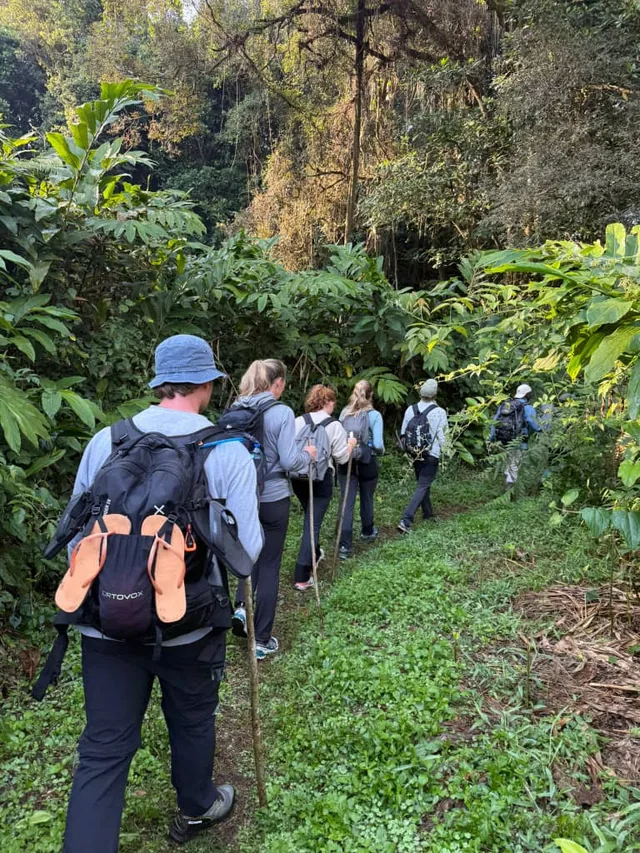
- Walking / Hiking
- Waterfalls
- Picnicking
- Forest Walk
Good to Know
The park is good to visit throughout the year. It is a bit slippery during the wet rainy season Dry season (June – September) and wet season (November – March) when wild flowers are flourishing and plentiful of butterflies. For bird watchers, December – February is their best time as most migratory birds are nesting in the park.
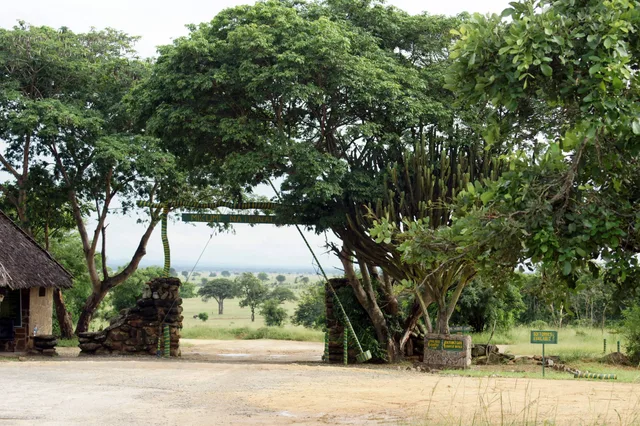
By road network from Dar es Salaam (380km) as well as Arusha, Kilimanjaro and Mbeya. There are two airstrips Msolwa and Kilombero which can be used by tourist through air transport before they connect using hired vehicles to the park's main gate.