1–2 hours · Historical Sites · Iringa
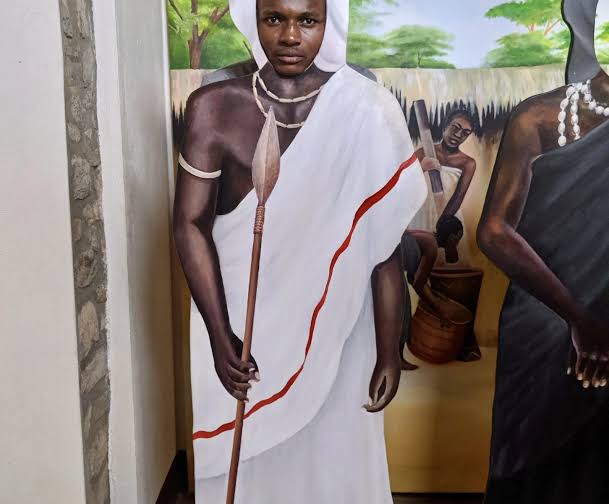
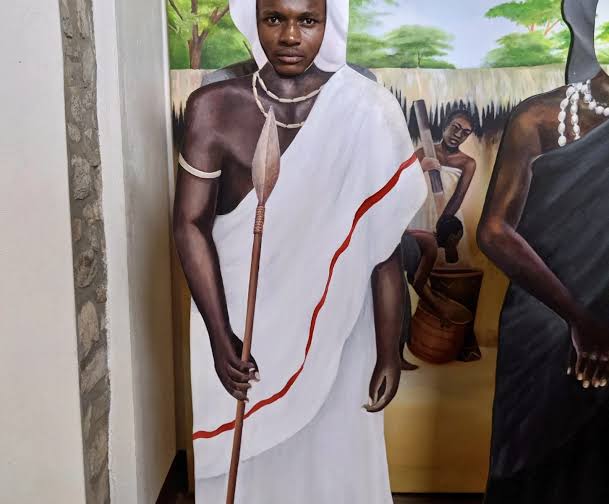
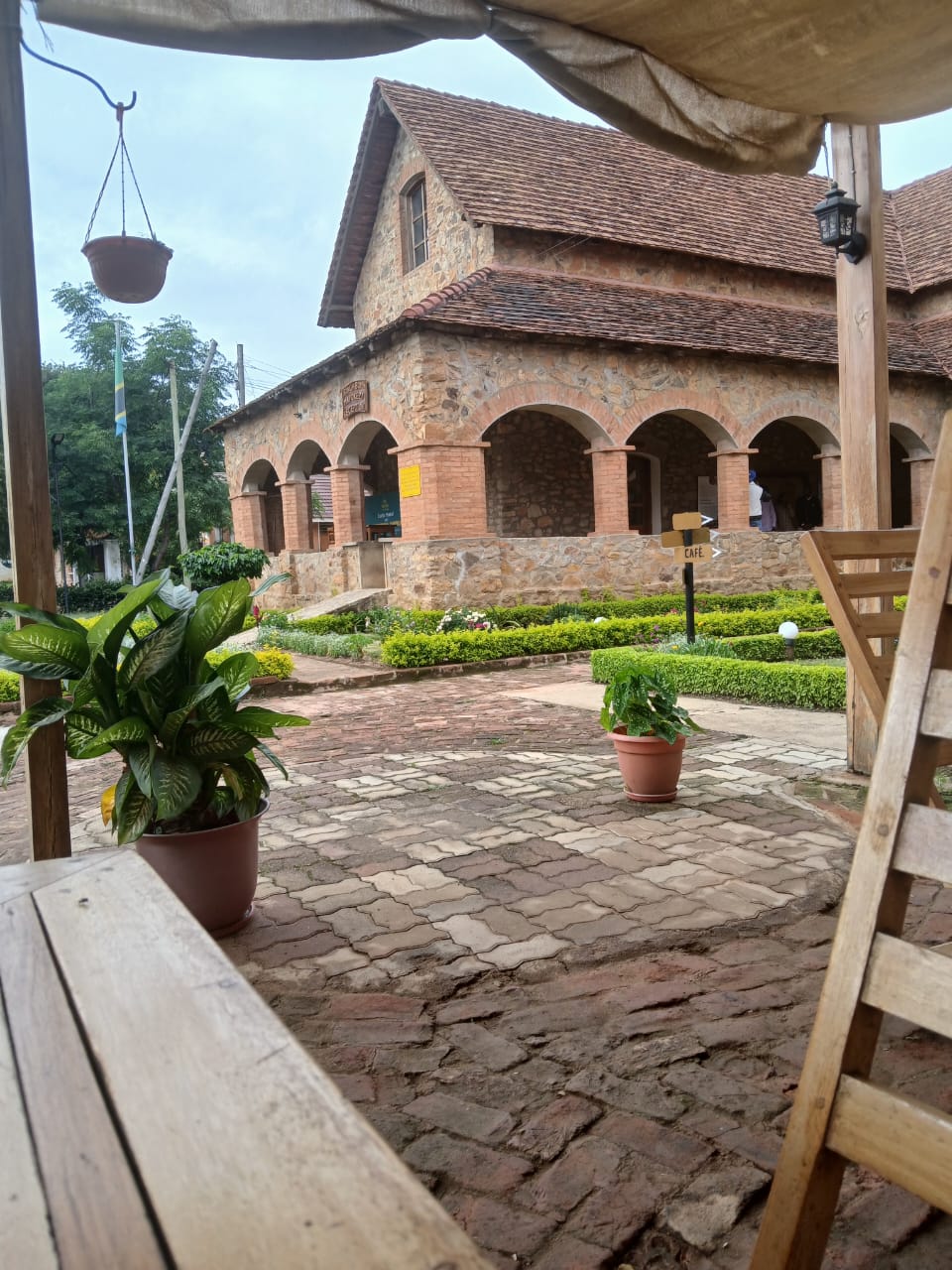
Chief Mkwawa Museum (Kalenga)
Kalenga museum dedicated to Chief Mkwawa – Hehe resistance, colonial history, and national remembrance.
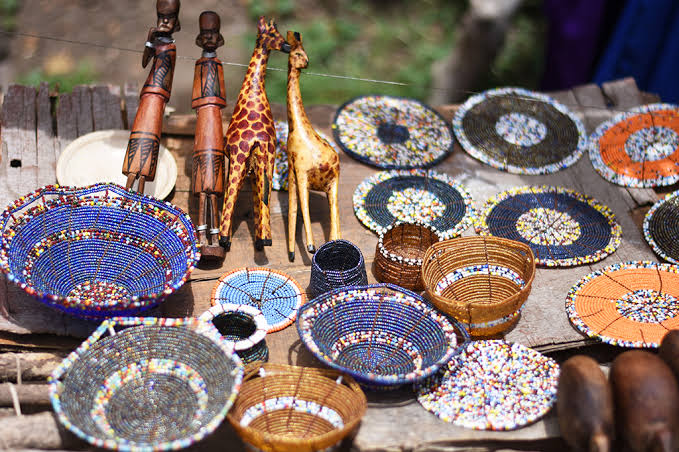
Connect with Tanzania's rich cultural heritage through immersive village visits, traditional ceremonies, local crafts, storytelling, and meaningful interactions with indigenous communities across the country.
Meet Tanzania's communities through village walks, traditional ceremonies, coastal heritage, coffee tours, and guided cultural safaris – each visit supports local livelihoods.
Kalenga museum dedicated to Chief Mkwawa – Hehe resistance, colonial history, and national remembrance.
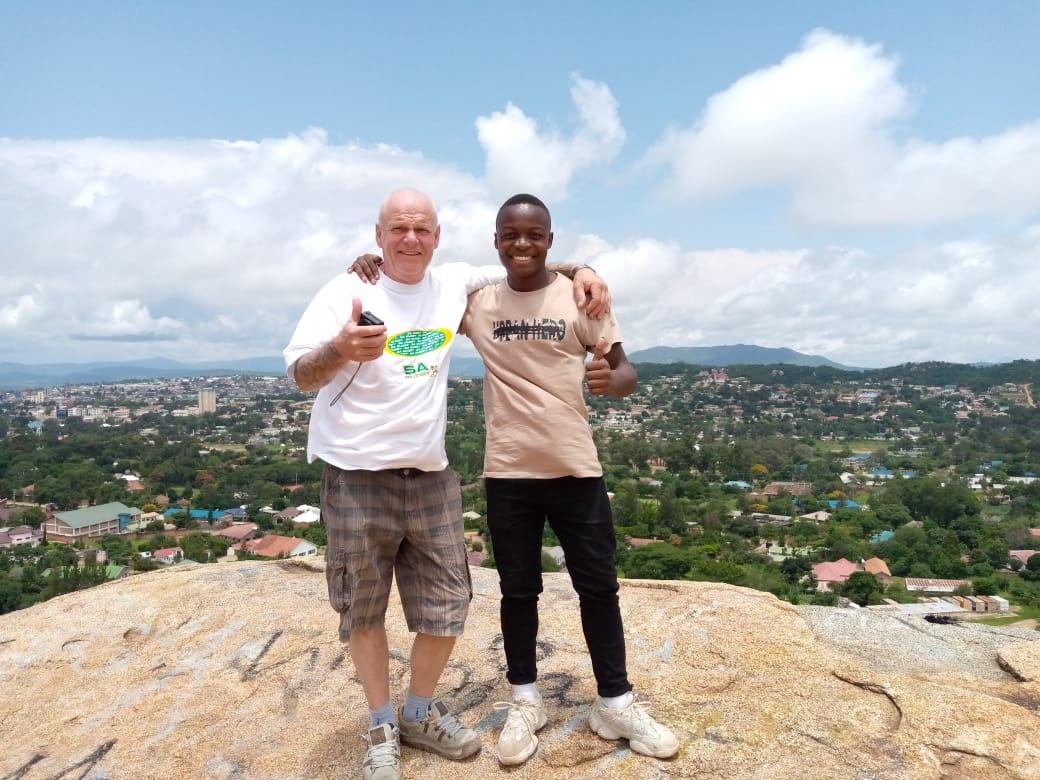
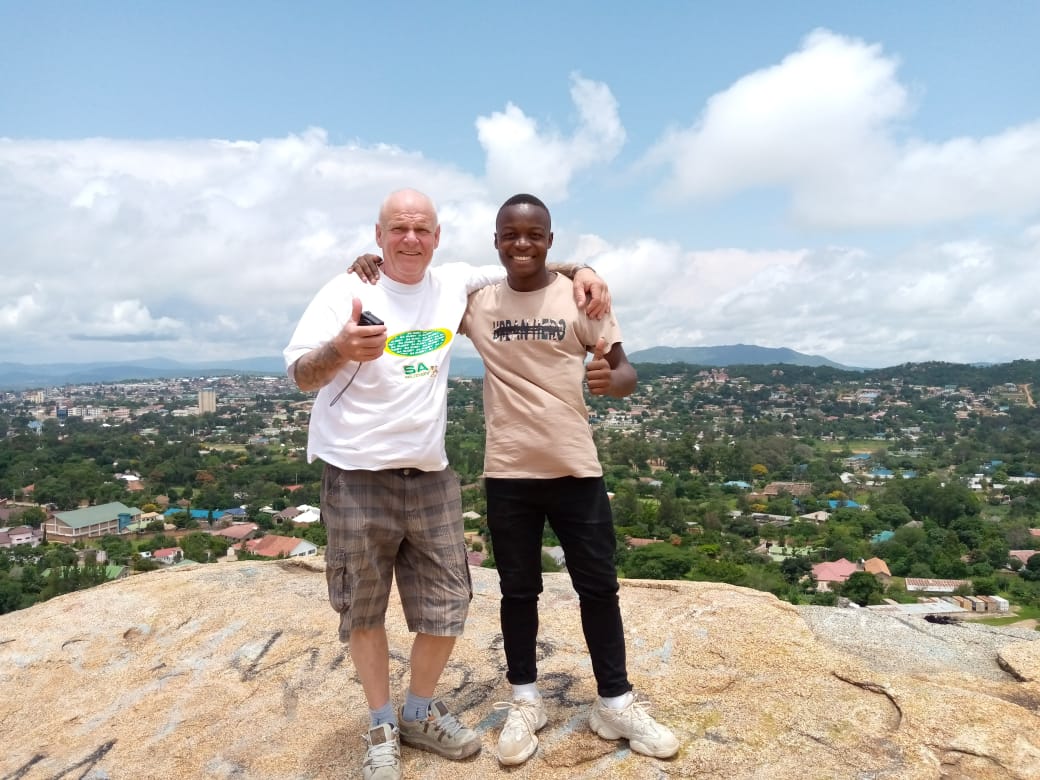
Sacred Hehe heritage site above Iringa with sweeping highland views and powerful oral histories.
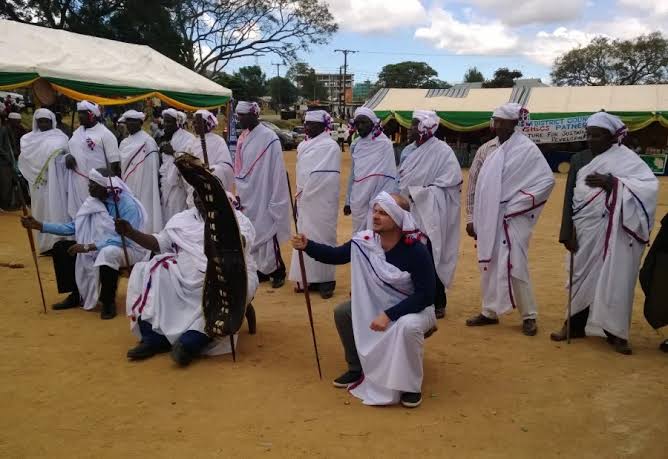
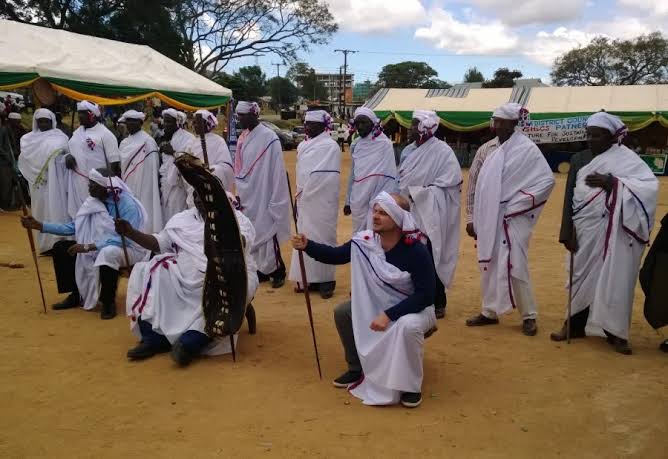
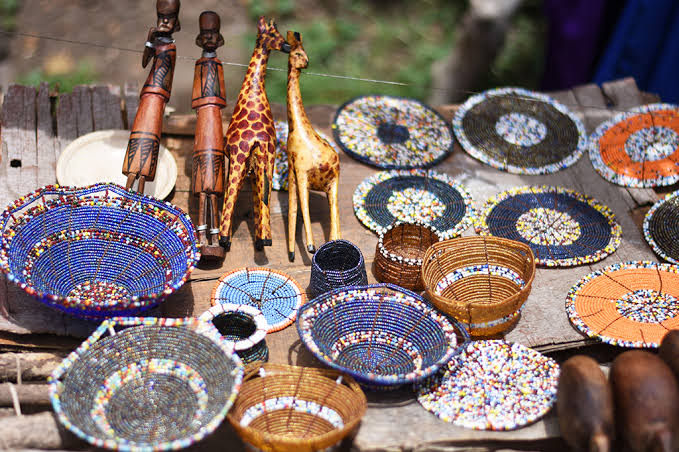
Village-based Hehe cultural encounter near Iringa – traditions, cuisine, music, and highland hospitality.
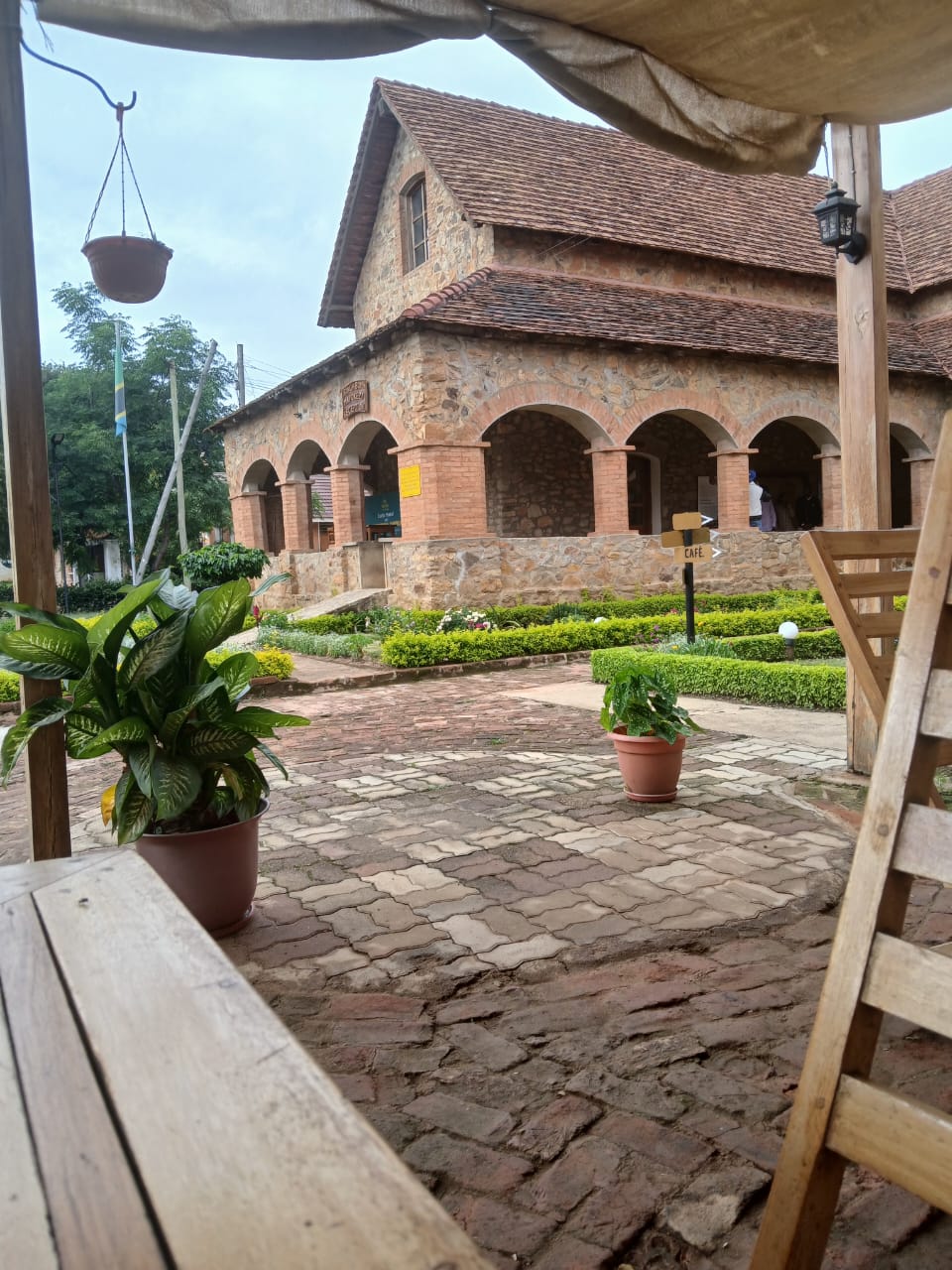
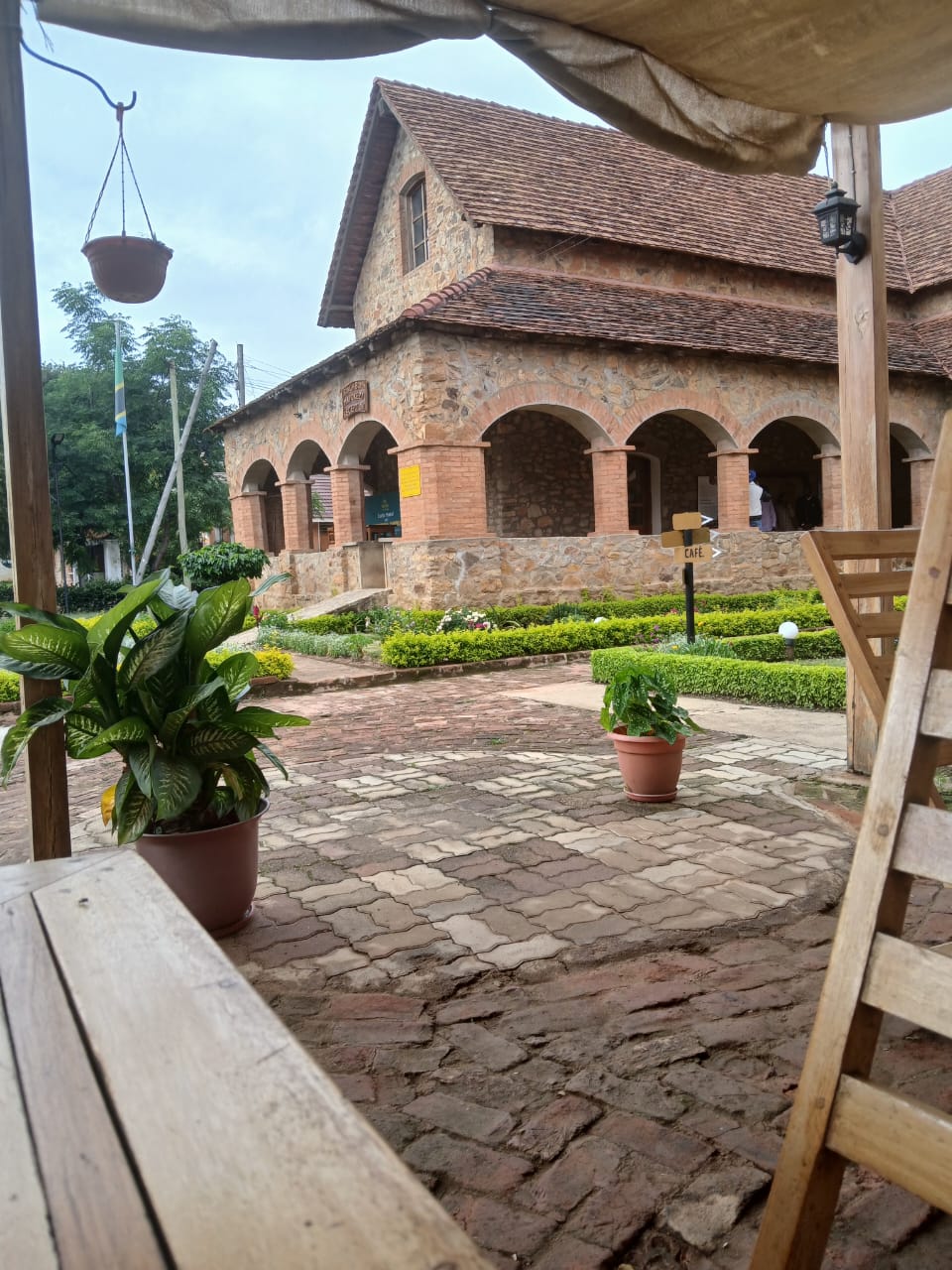
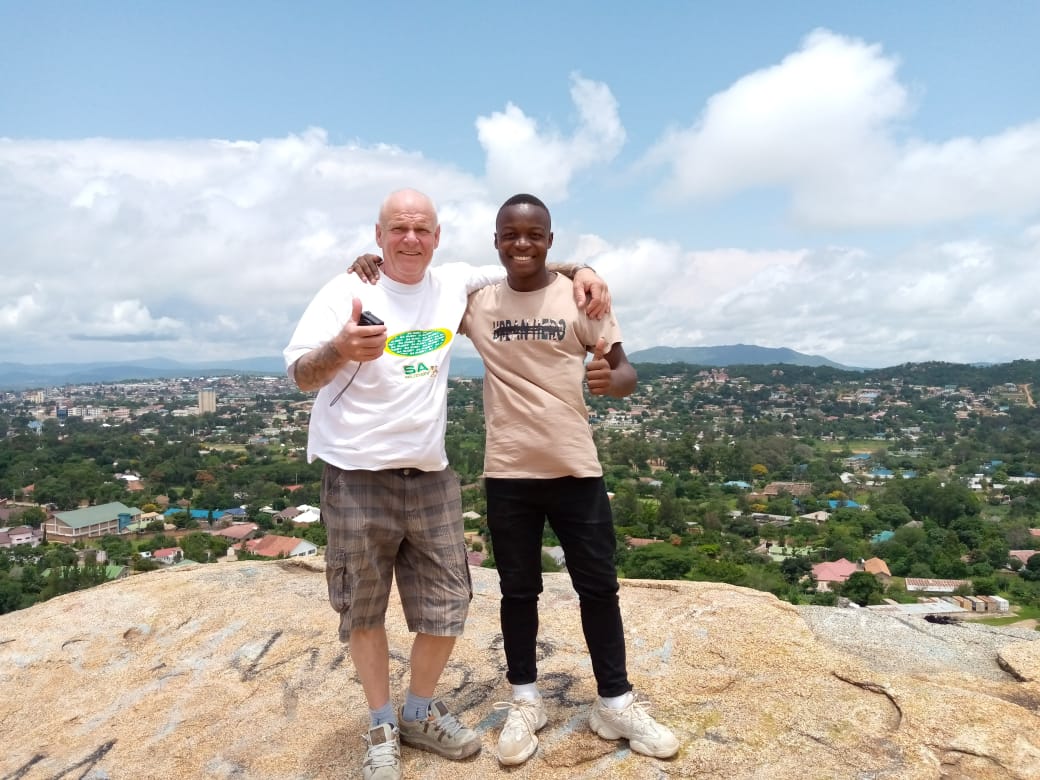
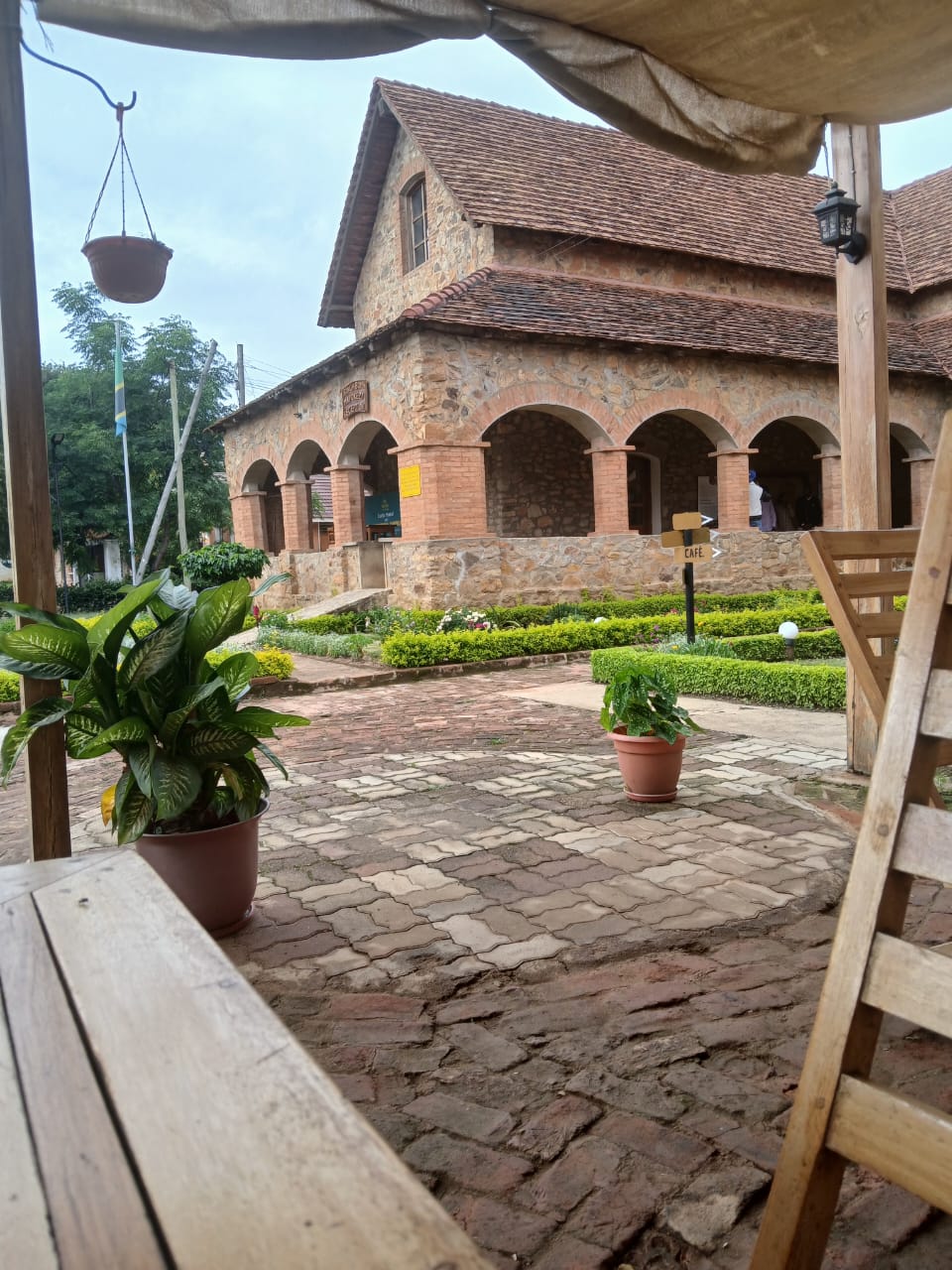
Historic German boma and cultural museum in the heart of Iringa – crafts, regional history, and Hehe heritage.
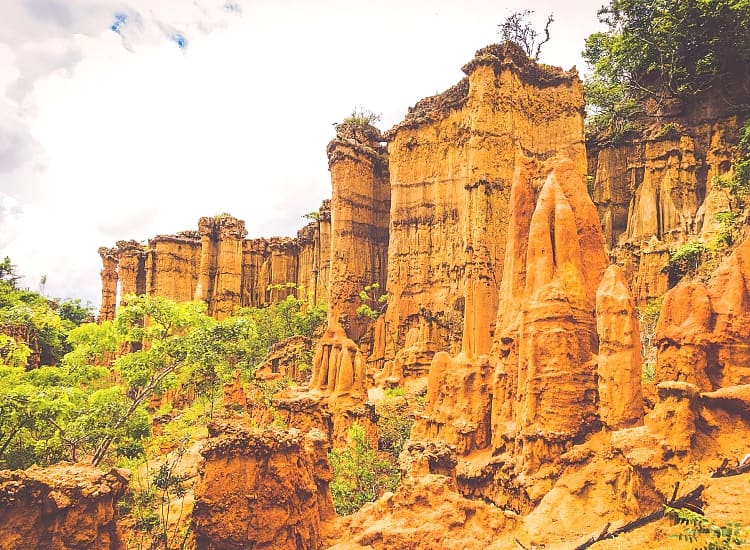
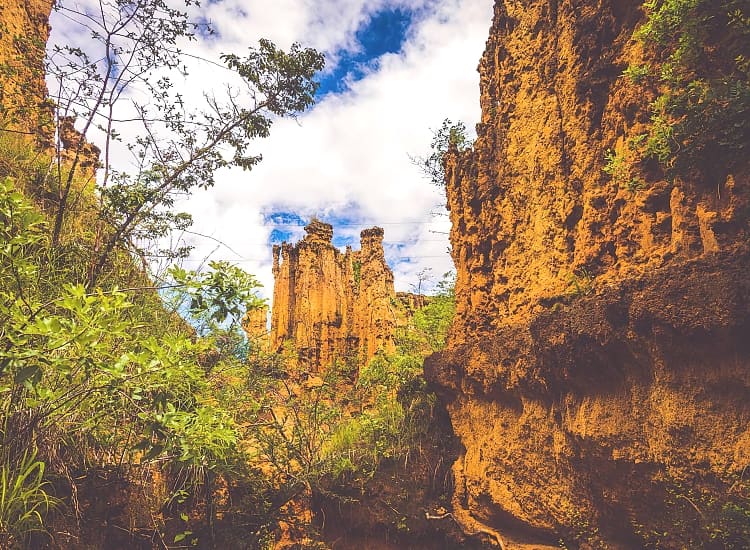
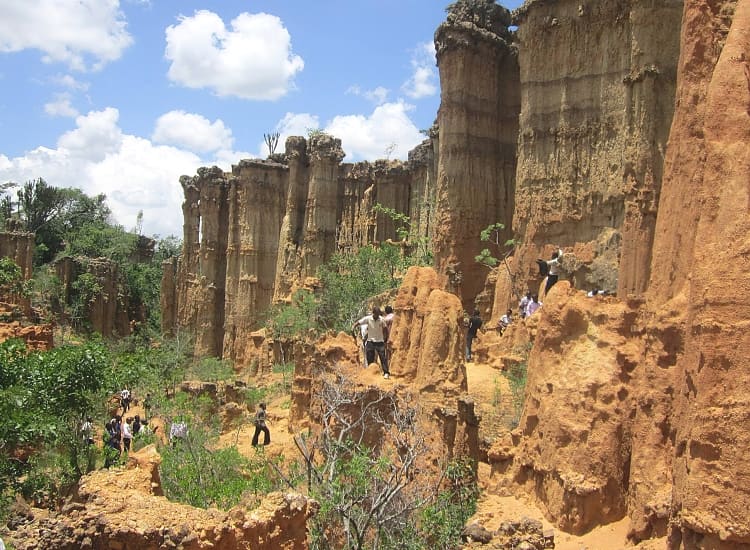
Isimila Stone Age Site is pre-historic settlement located inside Iringa District of Iringa Region in Tanzania.
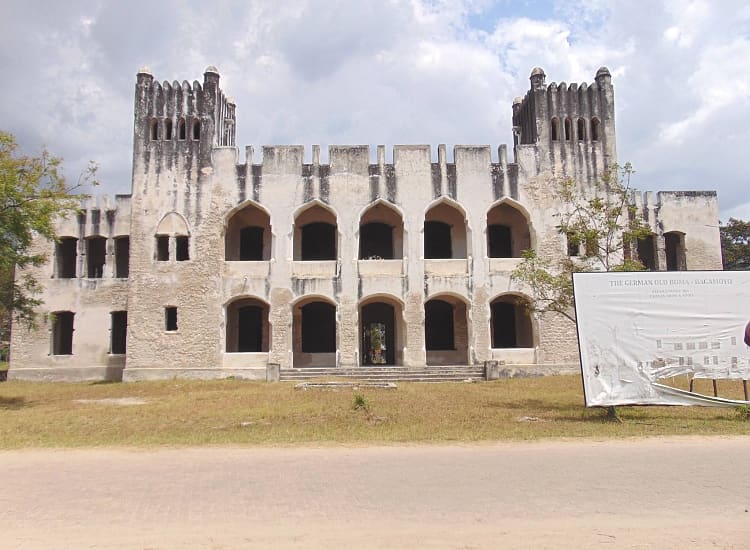
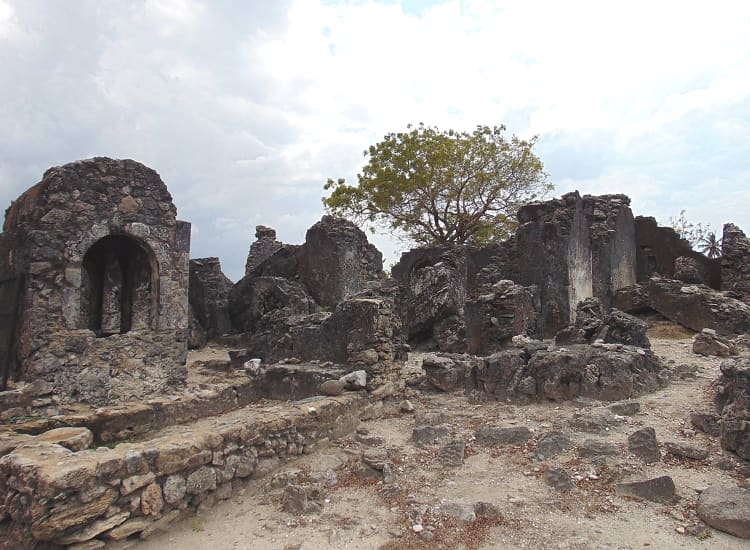
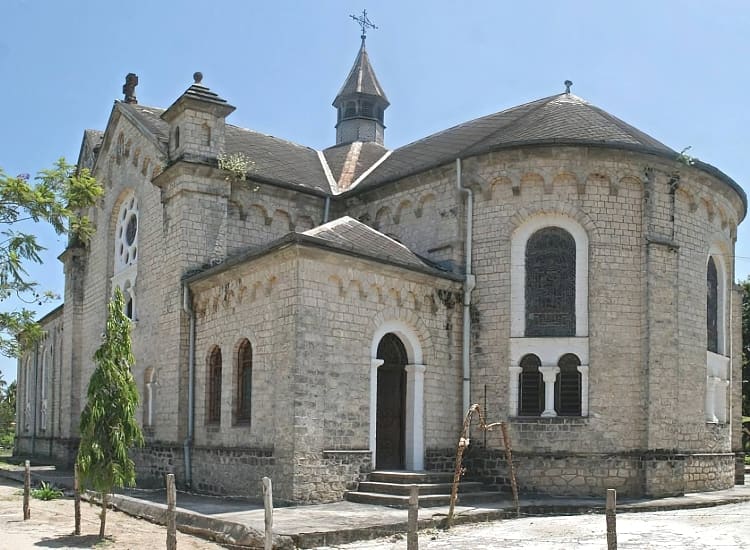
Bagamoyo, is a historic coastal town founded at the end of the 18th century, though it is an extension of a much older (8th century) Swah…
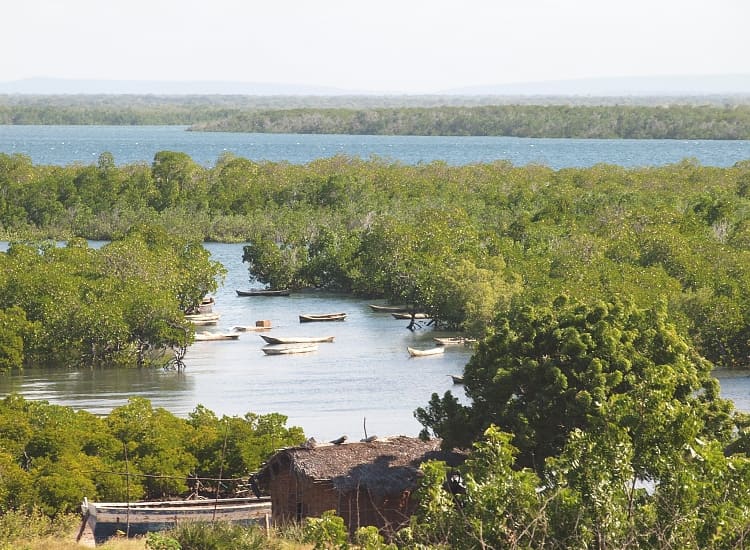
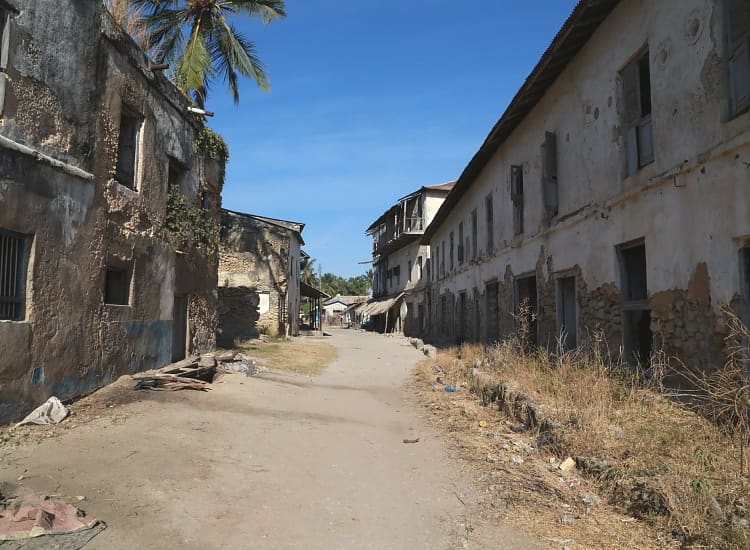
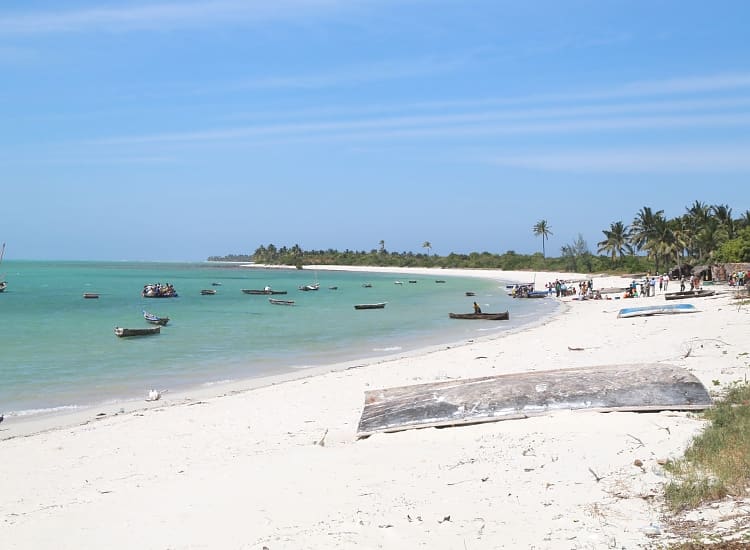
Kilwa is one of six administrative districts of Lindi Region in Tanzania.
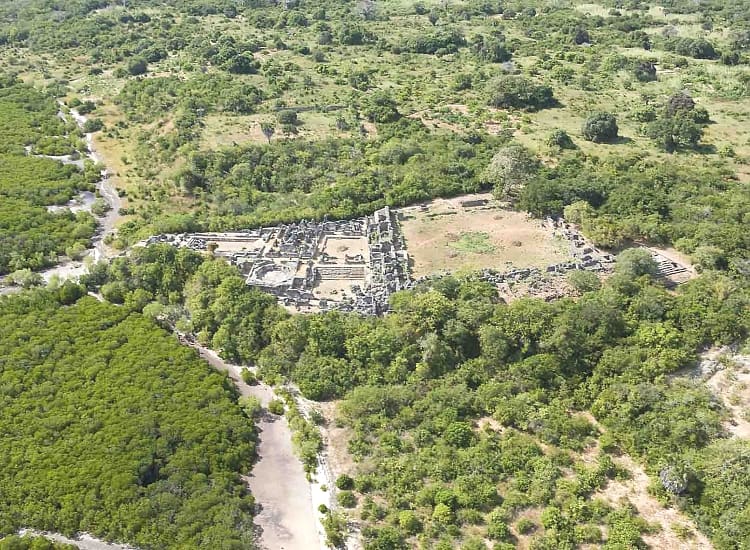
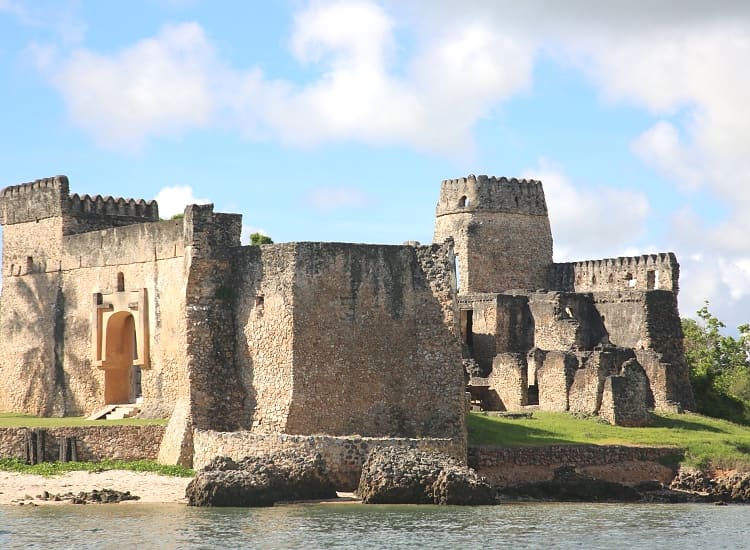
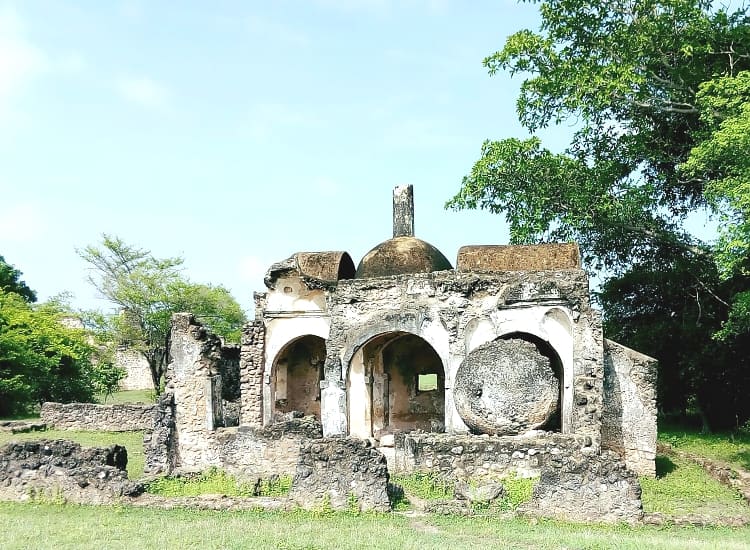
Situated off the coast of Tanzania, the island of Kilwa Kisiwani (“isle of the fish”) was once the center of one of the greatest empires …
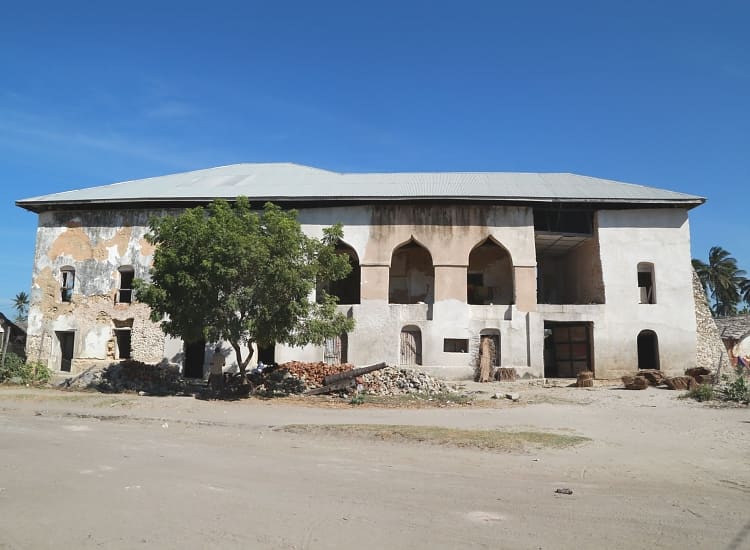
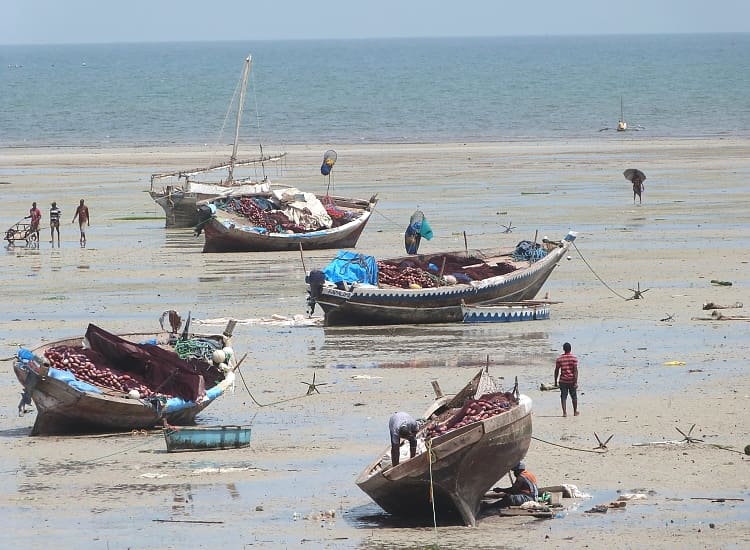
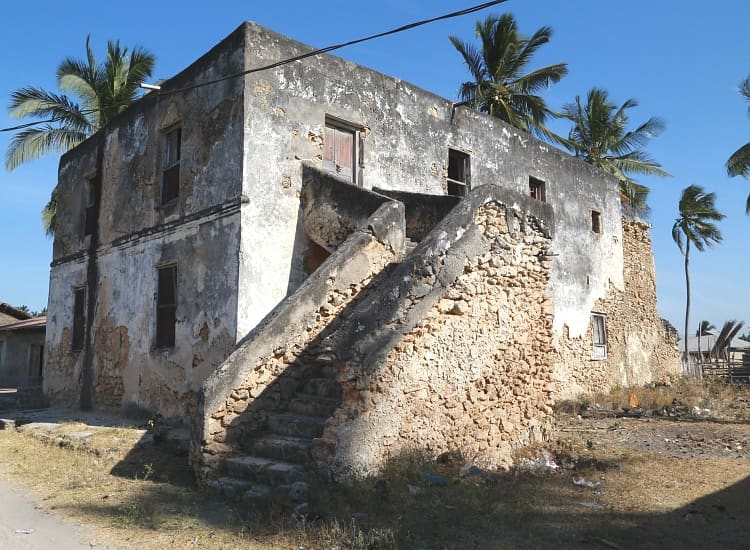
The quiet town of Kilwa Kivinje became the terminus of the southern slave caravan in the early 1800s.
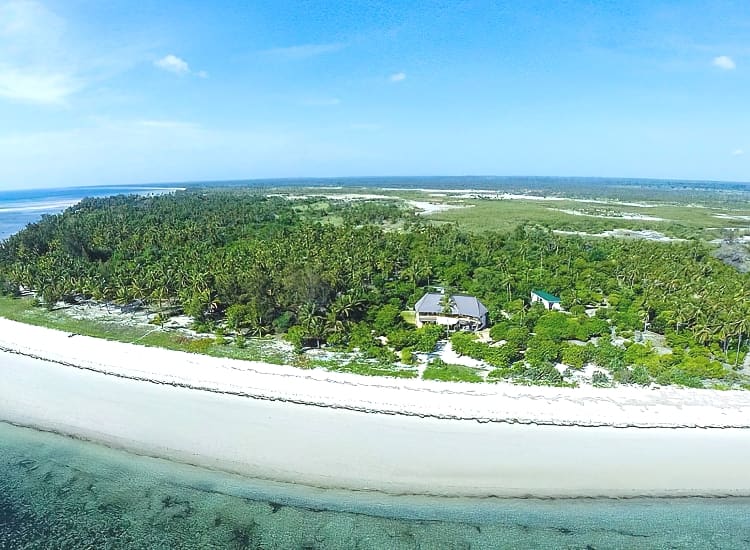
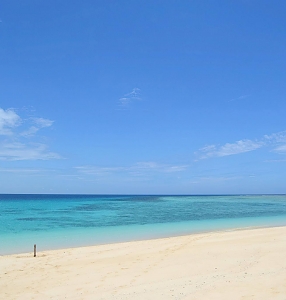
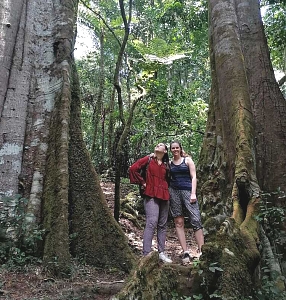
Pangani is situated about 50km south of Tanga on the mouth of River Pangani that flows from the slopes of Mount Kilimanjaro.The name Pang…
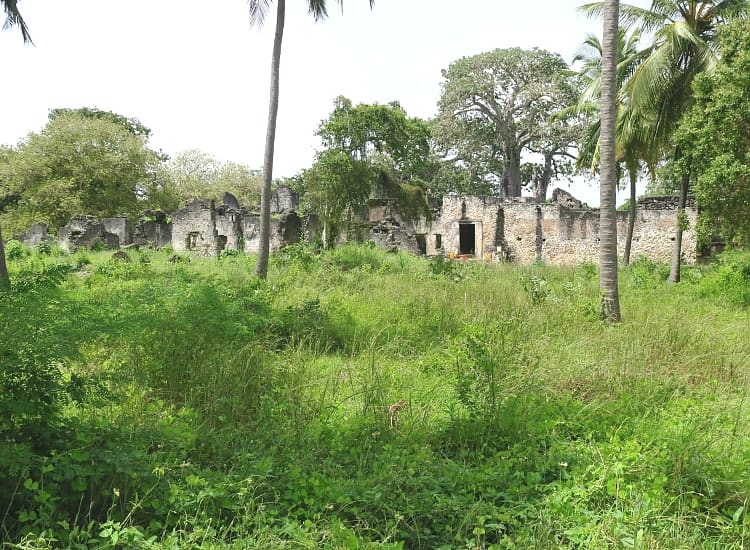
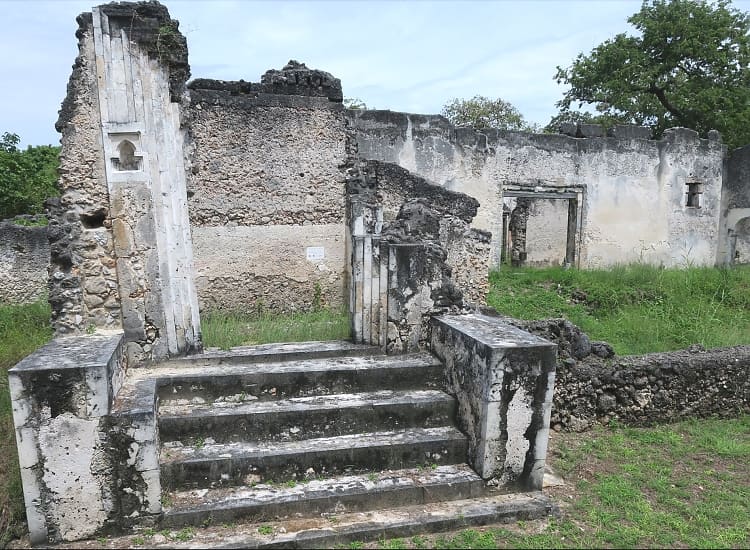
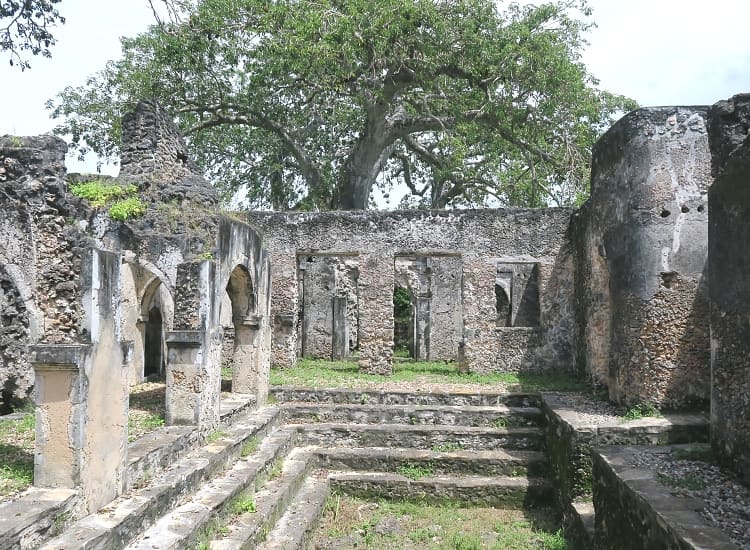
Jagged walls of stone and coral rising up amidst coconut palms and baobabs are all that remains of a port city from a golden age of trading.
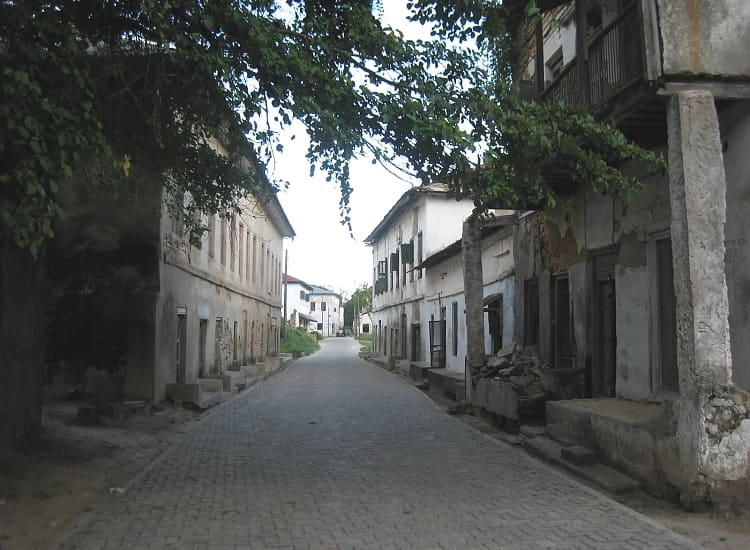
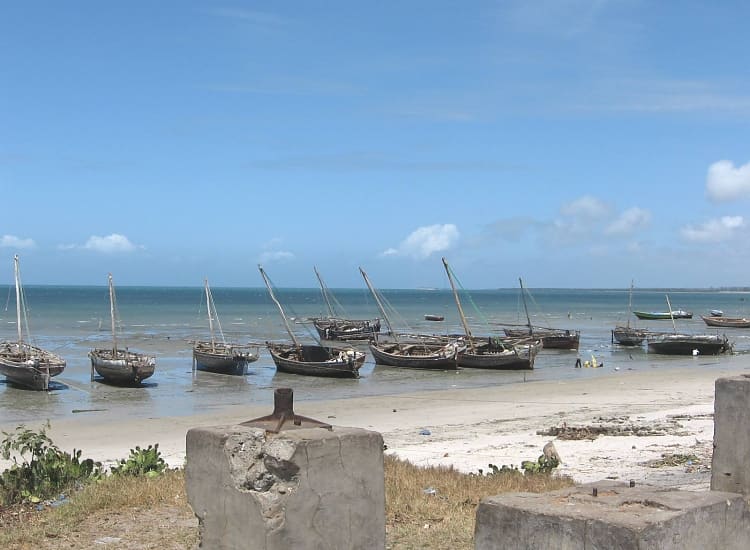
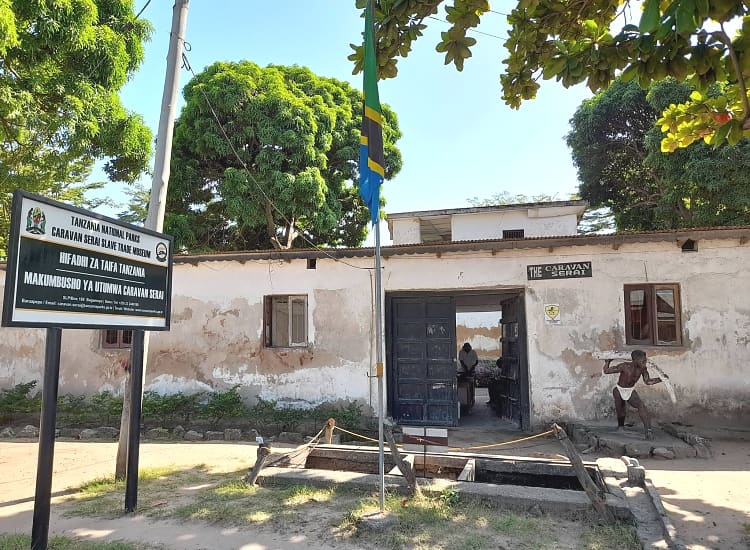
Bagamoyo, (which means “Lay down your heart”) lies 75kms north of Dar es Salaam.

Around 30 - 40 minutes outside of Moshi town are Materuni waterfalls.
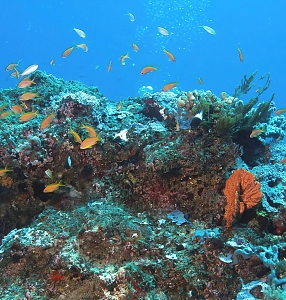
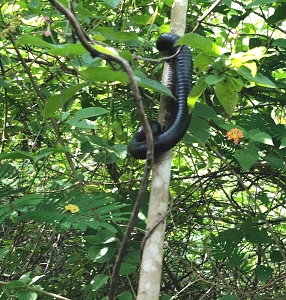
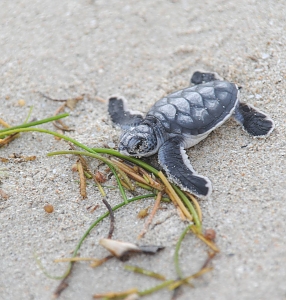
About an hour’s sail south of Chole, Jibondo Island is the most traditional of the archipelago’s settlements, and most of its two thousan…
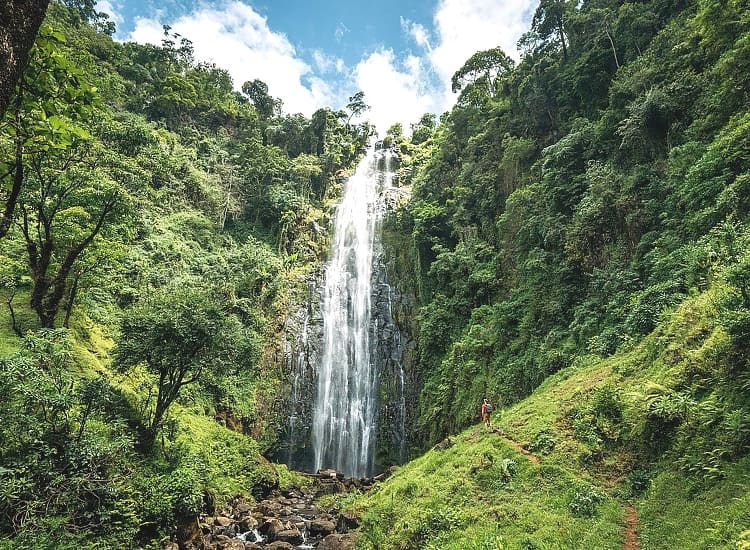

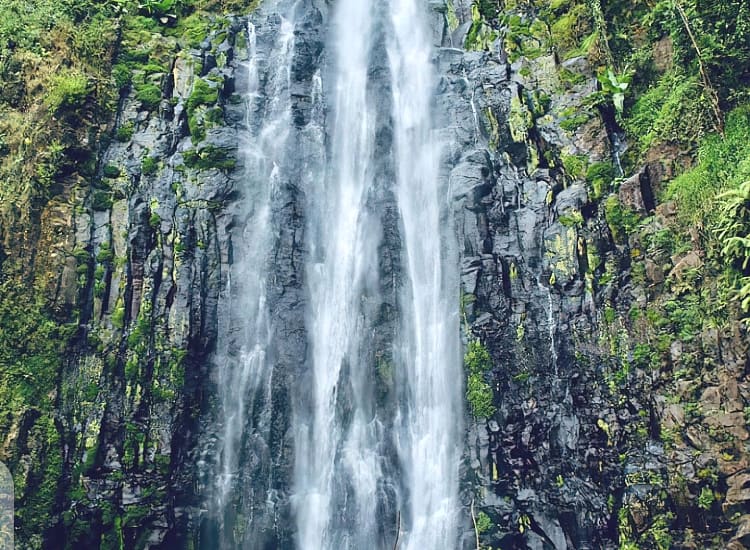
This very impressive Waterfall is one of the tallest in the area, spewing crystal clear glacier water 70m into its basin.
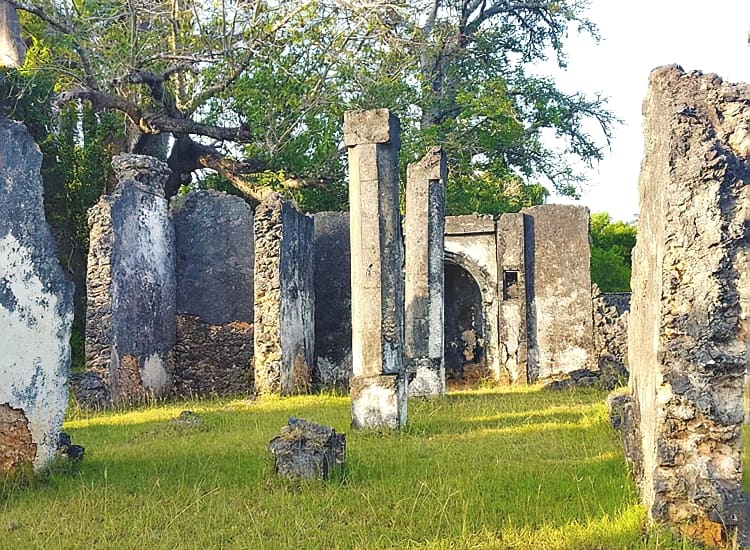
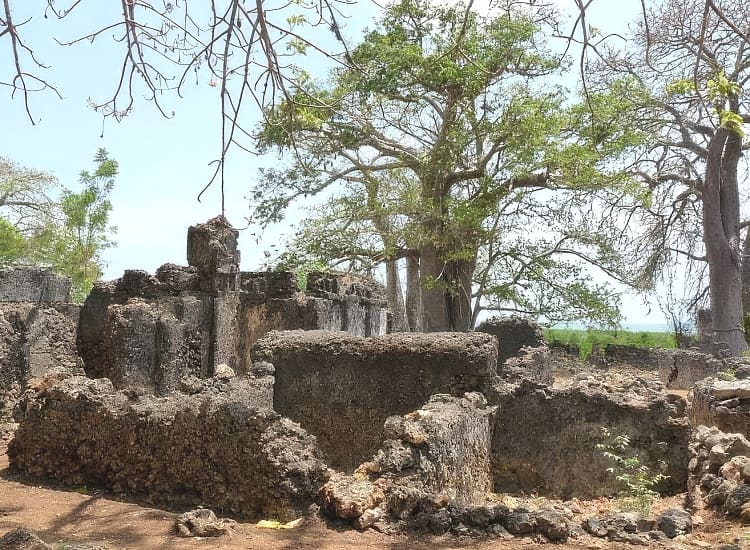
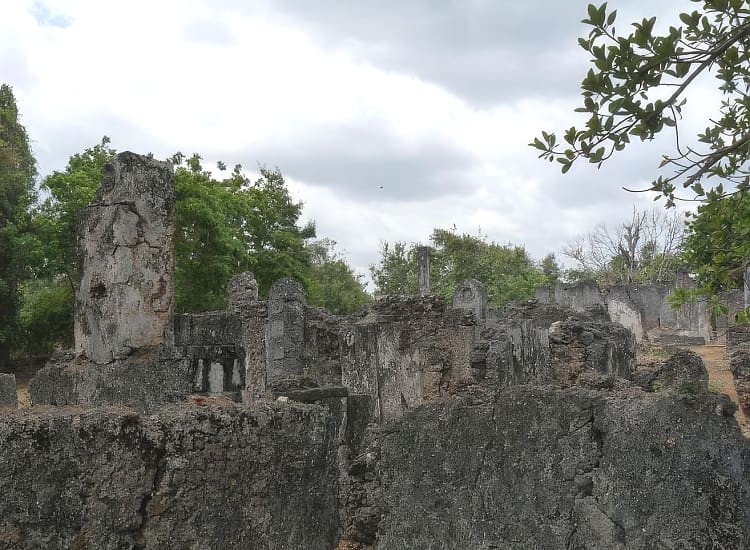
Tongoni Ruins are situated 21km South of Tanga City along Tanga – Pangani road.
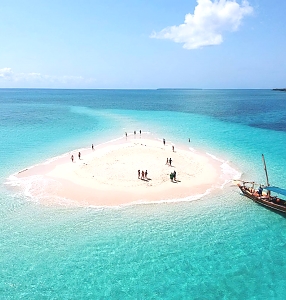
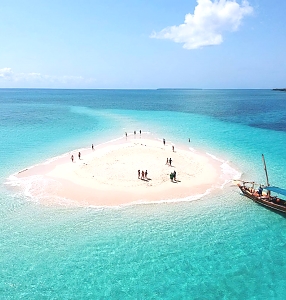
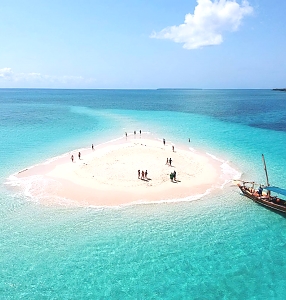
Nungwi, Matemwe and Kendwa are the name of the villages at the north-east part of Zanzibar Island.
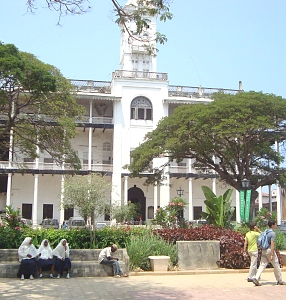
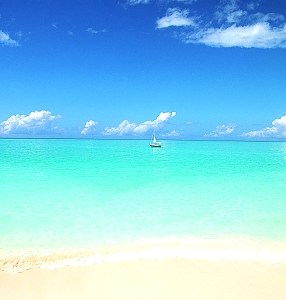
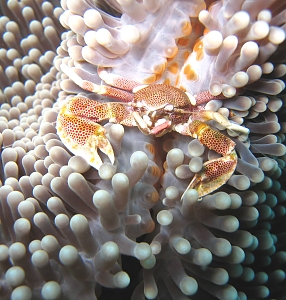
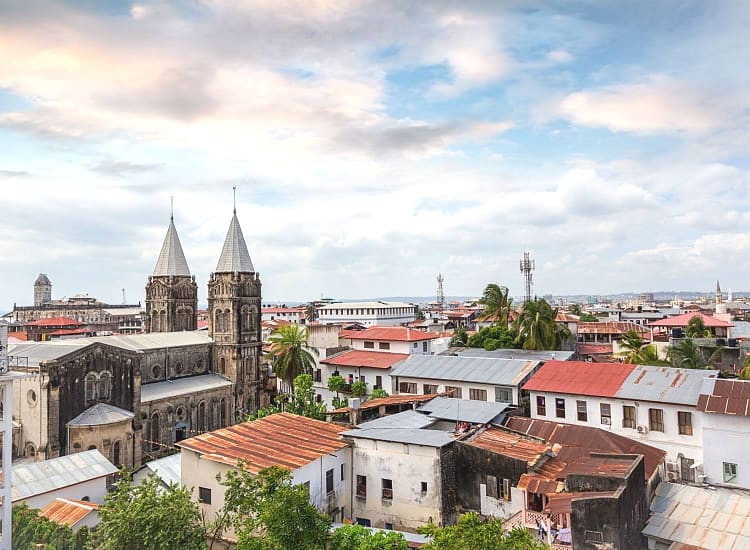
The stone town tour, the city tour, takes you around the capital town to experience historically, culturally and architecturally richness…
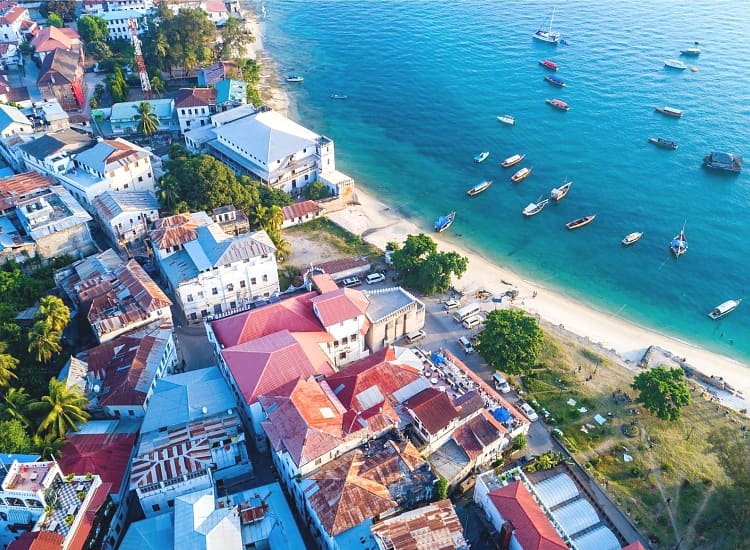
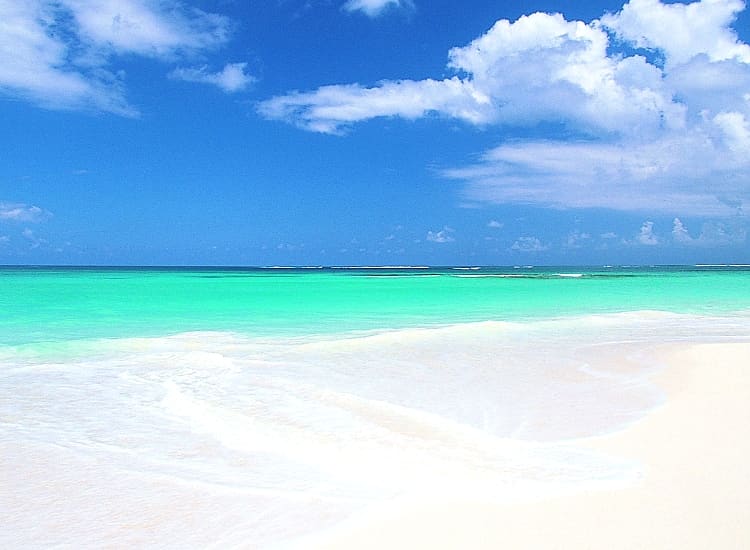
Also known as the Spice Island, the beautiful island of Zanzibar is full of culture and history, shinning white-sand beaches with palms s…