+255 684 160 300 +255 754 893 717
Mon–Fri: 9:00AM – 5:00PM Sat–Sun: Closed
Book Now
Pemba Island — Wild Gaze Safaris
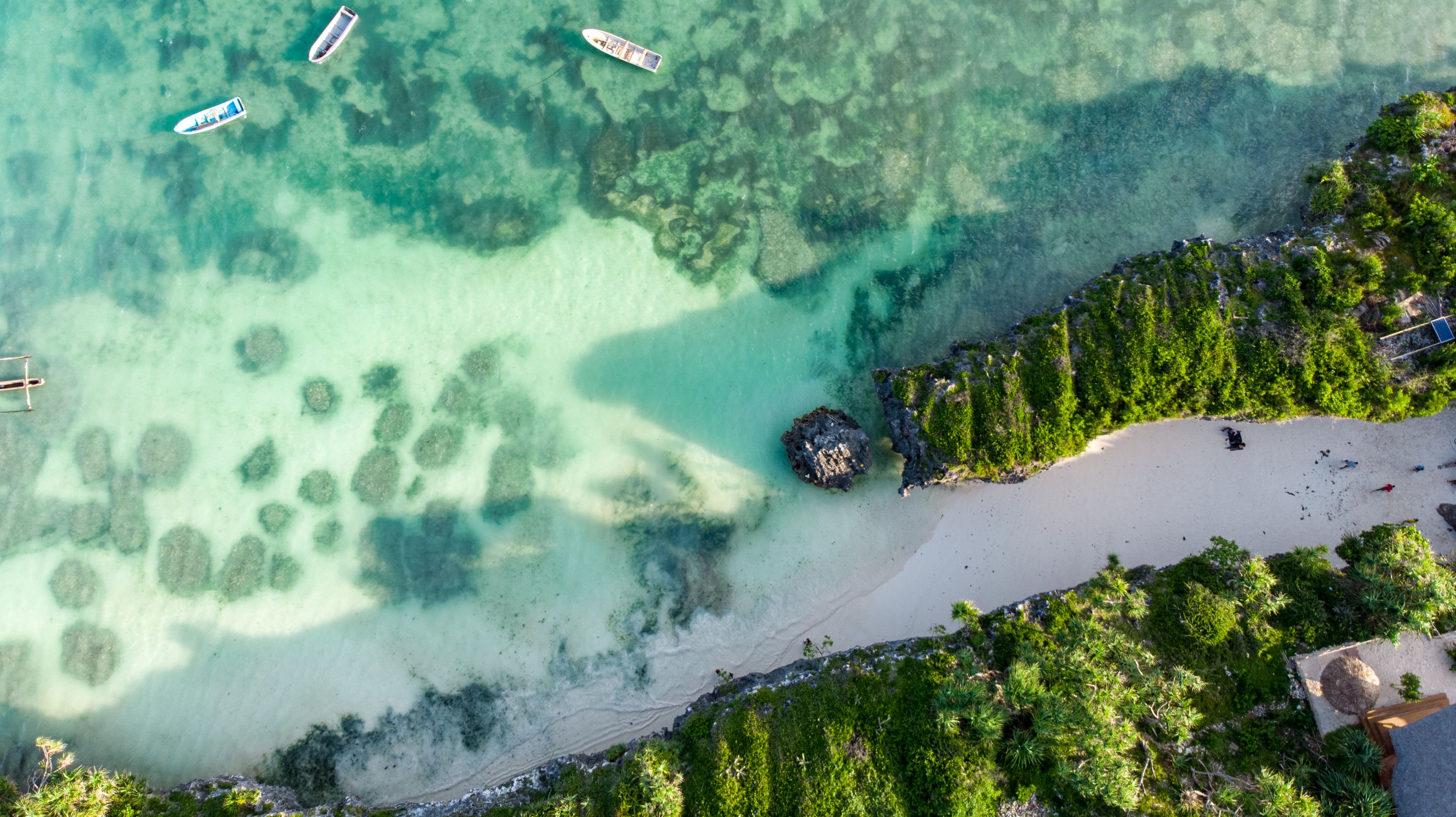
Pemba Island — dense forest meets turquoise ocean
Wild Gaze Safaris · Indian Ocean

The Green Island Pemba

Tanzania's most untouched island — legendary walls of coral, ancient clove plantations, and a profound quiet found nowhere else in the archipelago. The Indian Ocean's finest diving awaits.

984
km² Island Area
40m+
Coral Wall Depth
~30°C
Year-Round Water Temp
80%
World's Clove Supply
Pristine
Virtually Undiscovered
Indian Ocean Archipelago

Africa's Best-Kept Diving Secret

Pemba lies 80 kilometres north of Zanzibar and just 50 kilometres off the Tanzanian coast — yet it feels like a different world entirely. Where Zanzibar has been shaped by centuries of international trade, Pemba has remained quietly apart: denser, greener, older, and far less visited. Its hilly interior is blanketed in clove and coconut plantations, ancient ruins, and mangrove-laced channels. Its coastline drops into some of the most extraordinary coral ecosystems on Earth.

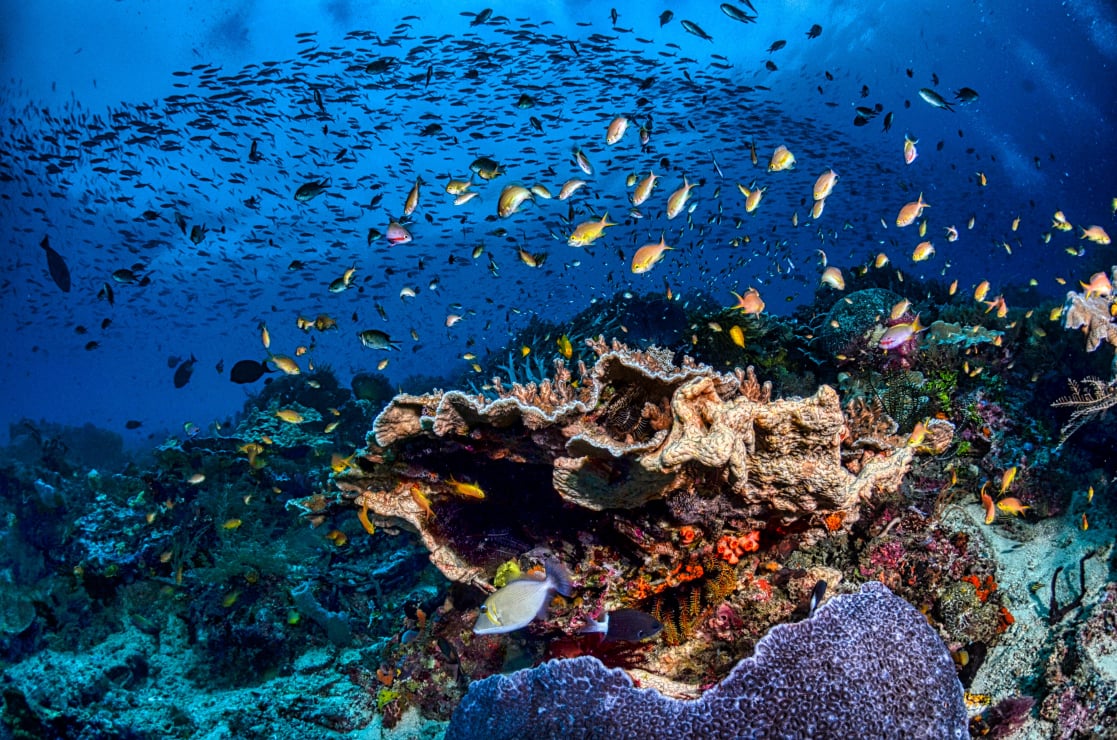
The island's underwater walls — sheer coral cliffs plunging to over 40 metres — have built Pemba's reputation among serious divers as one of the finest dive destinations in the entire Indian Ocean. Strong currents sweep nutrient-rich water along the walls, sustaining dense marine life: vast schools of pelagic fish, manta rays, turtles, sharks, and coral formations of jaw-dropping complexity and colour.

Above water, Pemba moves at its own unhurried pace. Traditional dhow-building yards still operate along the shore. Ancient Swahili ruins at Ras Mkumbuu date back over a thousand years. Wild Gaze Safaris can arrange a seamless Pemba extension — transfers, lodging in boutique eco-camps, and guided dives included.

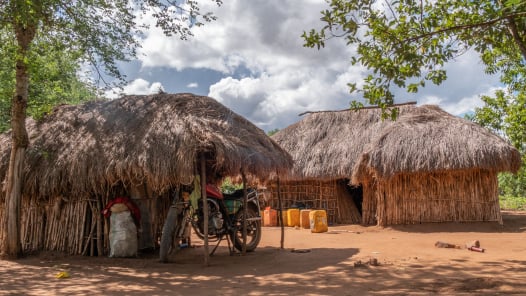
Pemba Island coral reef diving Pemba Island village and clove plantation
40m+ Coral Wall Depth
Underwater Pemba

World-Class Dive Sites

Pemba Channel's powerful currents and sheer coral walls sustain one of the richest marine ecosystems in the Indian Ocean — a diver's paradise virtually free of crowds.

Pemba's reputation rests on its vertical coral walls. Unlike the gradual reef slopes common elsewhere, these walls begin just beneath the surface and plunge straight down — 20, 30, 40 metres and beyond — encrusted with hard and soft corals in extraordinary variety. The Pemba Channel, separating the island from the mainland, funnels cold, nutrient-laden water along these walls, creating the conditions for truly exceptional marine life concentrations.

With only a handful of dive operators on the island, dive sites are genuinely uncrowded — a rare quality in East Africa. Most sites are accessible only by boat from the island's small dive centres, ensuring the reefs remain in pristine condition. Advanced open-water certification is recommended for the deeper wall dives; shallower sites suit beginners and snorkellers admirably.

5–30m
Mesali Island — The Outer Wall

Mesali Island Marine Reserve, on Pemba's west coast, is protected from fishing and widely regarded as the finest diving on the island. Its outer wall hosts leopard sharks resting in sandy gullies, vast schools of snapper and barracuda, and coral formations dense enough to rival anything in the Indo-Pacific. Snorkelling at Mesali is equally spectacular — the shallow reef is shallow, clear, and alive with colour.

10–40m
Njao Gap — Manta & Shark Channel

Njao Gap, a channel between two reef systems on the northwest coast, is Pemba's most exhilarating drift dive. The current through the gap draws regular manta rays, hammerhead sharks (seasonal), silvertip sharks, and enormous congregations of pelagic fish. Experienced divers ride the current along the wall, watching the blue water beyond the reef for large oceanic visitors.

8–25m
Fundu Reef — Macro & Night Diving

Off the northwest coast near Fundu Lagoon Lodge, this reef system rewards close attention — nudibranchs, ornate ghost pipefish, mantis shrimps, and frogfish inhabit the coral rubble and sea grass beds. Night dives here are exceptional: lionfish, octopus, and Spanish dancer nudibranchs emerge after dark in a spectacle of bioluminescence and colour.

5–18m
Ras Kigomasha — Turtle Cleaning Station

The northern tip of Pemba is one of the most consistent spots in East Africa to observe hawksbill and green turtles at dedicated cleaning stations — areas of reef where small fish pick parasites from the turtles, who queue patiently and barely react to divers. The shallow reef is also outstanding for snorkelling, with visibility regularly exceeding 25 metres.

15–35m
The Pinnacles — Deep Pelagic

A series of submerged seamounts off Pemba's east coast rise from 35 metres to within 15 metres of the surface, creating upwelling zones that draw whale sharks (October–February), dogtooth tuna, giant trevally, and dense bait balls. Advanced certification required. Widely considered one of East Africa's most thrilling big-fish dives.

0–5m
Mangrove Channels — Kayak & Snorkel

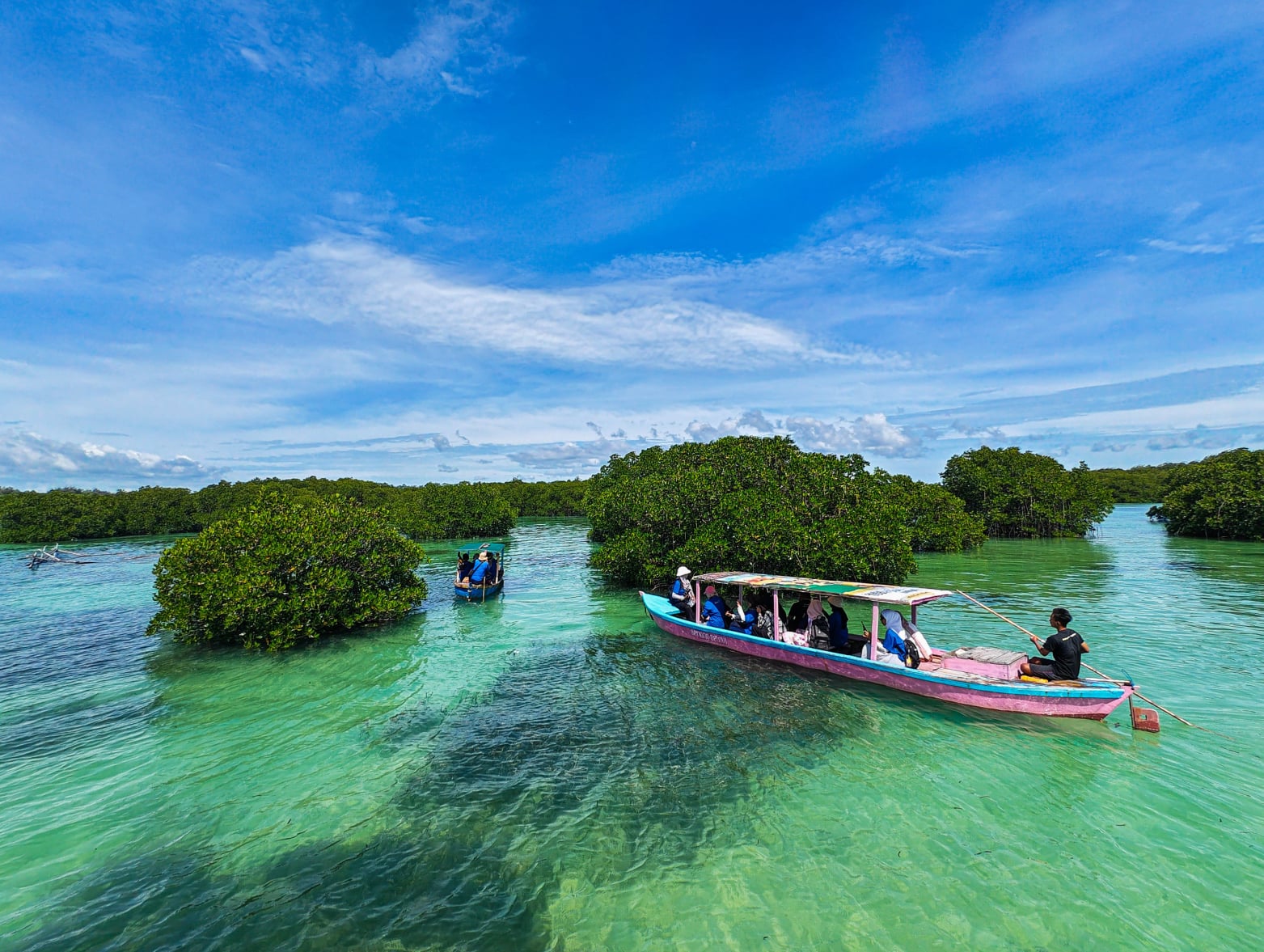
Pemba's extensive mangrove systems — some of the largest remaining on the East African coast — can be explored by kayak or on foot at low tide. Juvenile fish of almost every reef species use the roots as nurseries; kingfishers, herons, and mudskippers inhabit the margins. A guided mangrove tour pairs beautifully with a morning dive.

Island Activities

Pemba Experiences

Beyond the reef — ancient ruins, clove country, traditional dhow yards, and mangrove forests shaped by a thousand years of Indian Ocean culture.

Scuba diving Pemba coral wall
01
Signature Experience
Diving · Snorkelling

Scuba Diving & Snorkelling

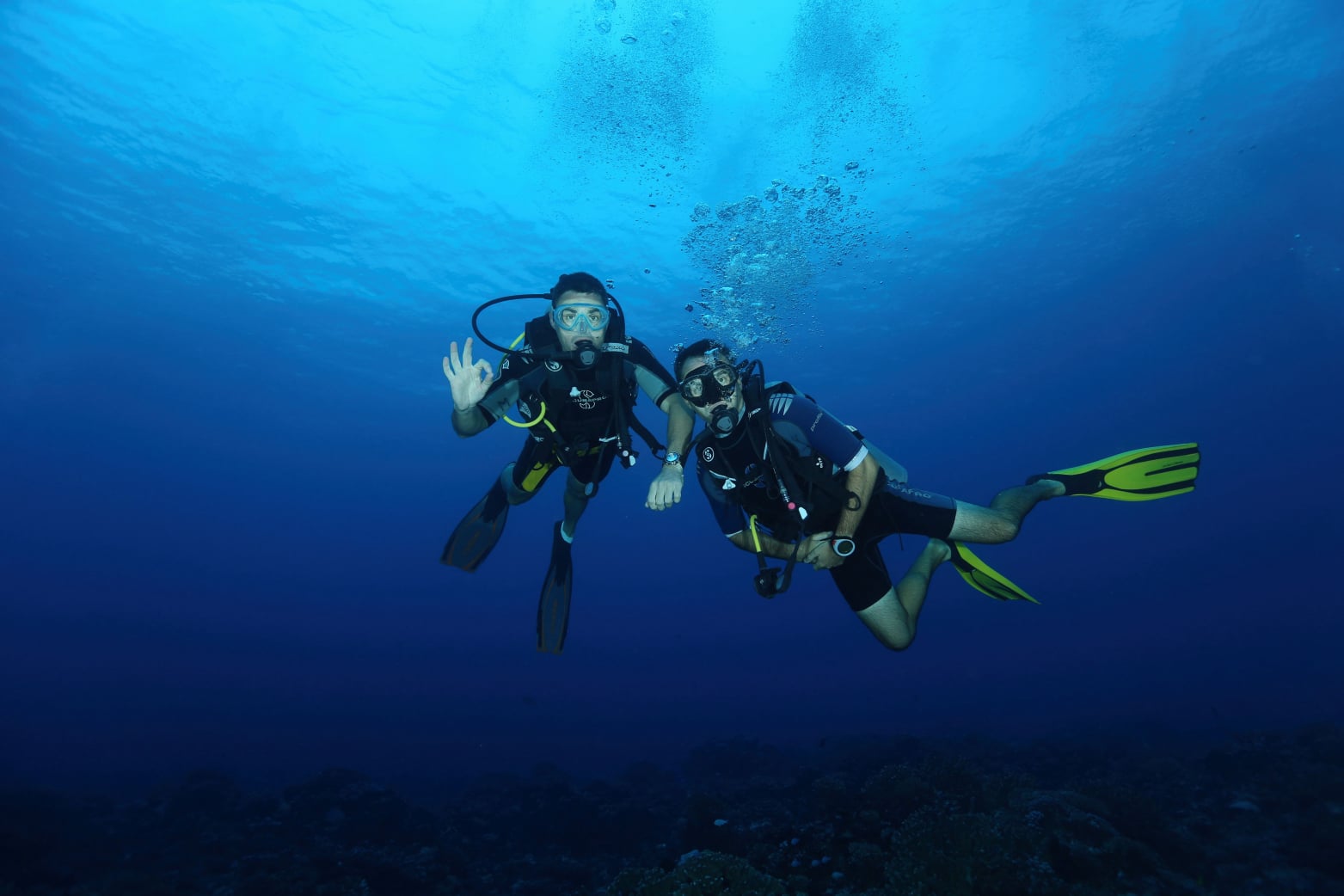
Pemba's vertical coral walls are the island's defining attraction — and arguably the finest diving in the entire Indian Ocean. Mesali Island's outer wall, Njao Gap's drift, and The Pinnacles' seamounts together offer a progression from beginner-friendly reef snorkelling to advanced pelagic wall diving. Wild Gaze Safaris works with Pemba's most experienced operators to arrange guided multi-dive days, equipment hire, and PADI certification courses.

Best visibility: Jun – Oct · Whale sharks: Oct – Feb
Clove plantation Pemba Island
02
Cultural Tour
Culture · Agriculture

Clove Plantation Tour

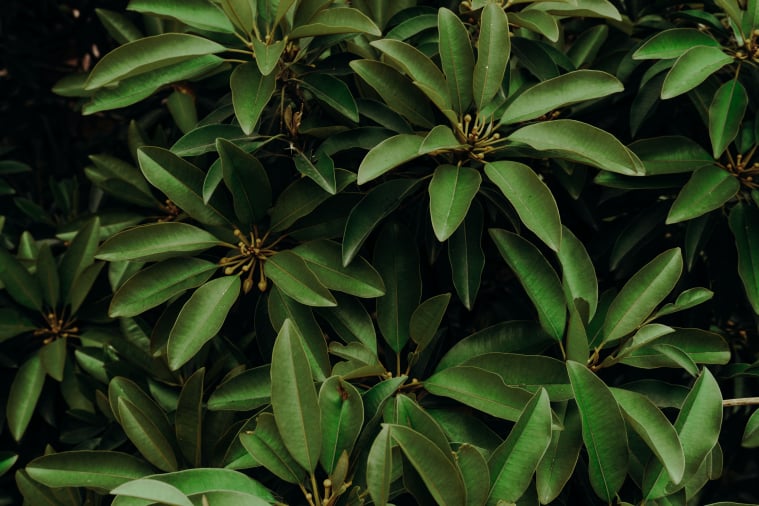
Pemba produces the majority of the world's clove supply, and the island's interior is blanketed in the distinctive dark-canopied trees. A guided tour takes you through working plantations during harvest season (October–January) to watch hand-pickers at work, visit drying yards, and learn how cloves, clove oil, and clove cigarettes have shaped the island's economy and culture for 200 years.

Harvest season: Oct – Jan
Ras Mkumbuu ancient Swahili ruins Pemba
03
History · Archaeology
History · Heritage

Ras Mkumbuu Ruins

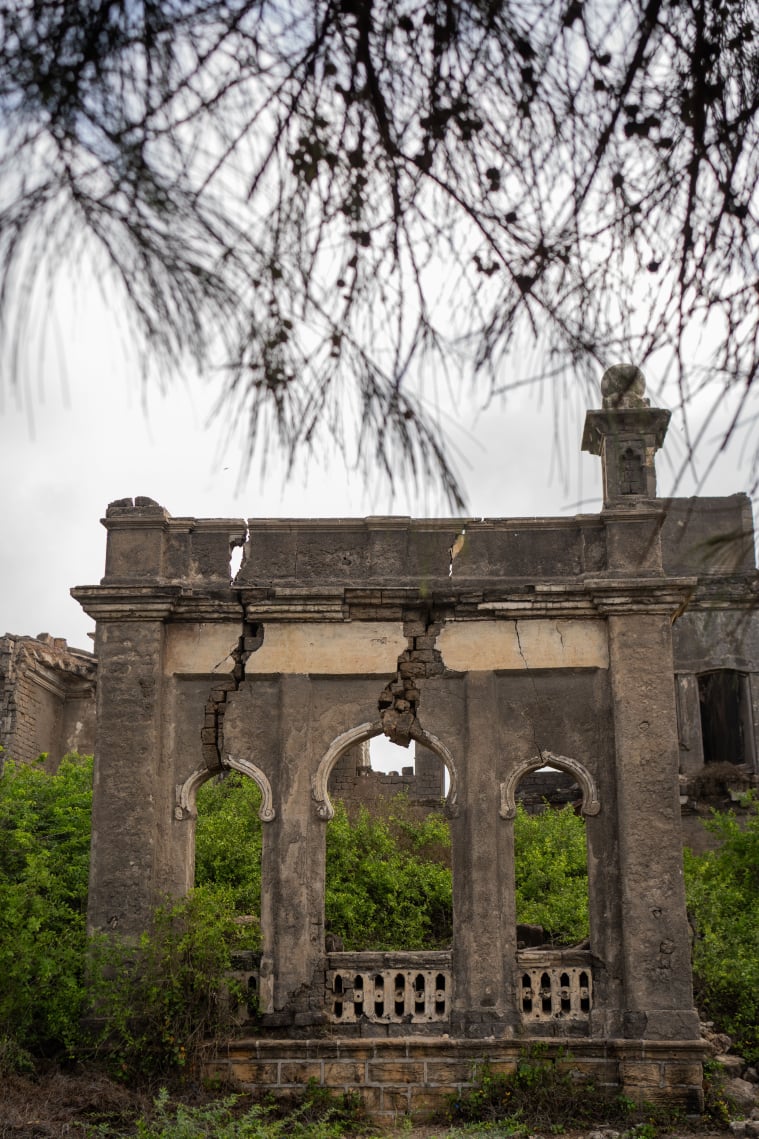
At the end of a long, narrow peninsula on Pemba's west coast, the ancient Swahili town of Ras Mkumbuu (also known as Qanbalu) dates to the 9th century — one of the oldest settlements in the entire Swahili world. The ruins of a mosque, pillar tombs, and residential buildings stand in the undergrowth, reached by a guided forest walk or by dhow along the mangrove-fringed coast.

Year-round · Half-day excursion
Traditional dhow building Pemba Island
04
Craft · Maritime
Culture · Crafts

Dhow-Building Villages

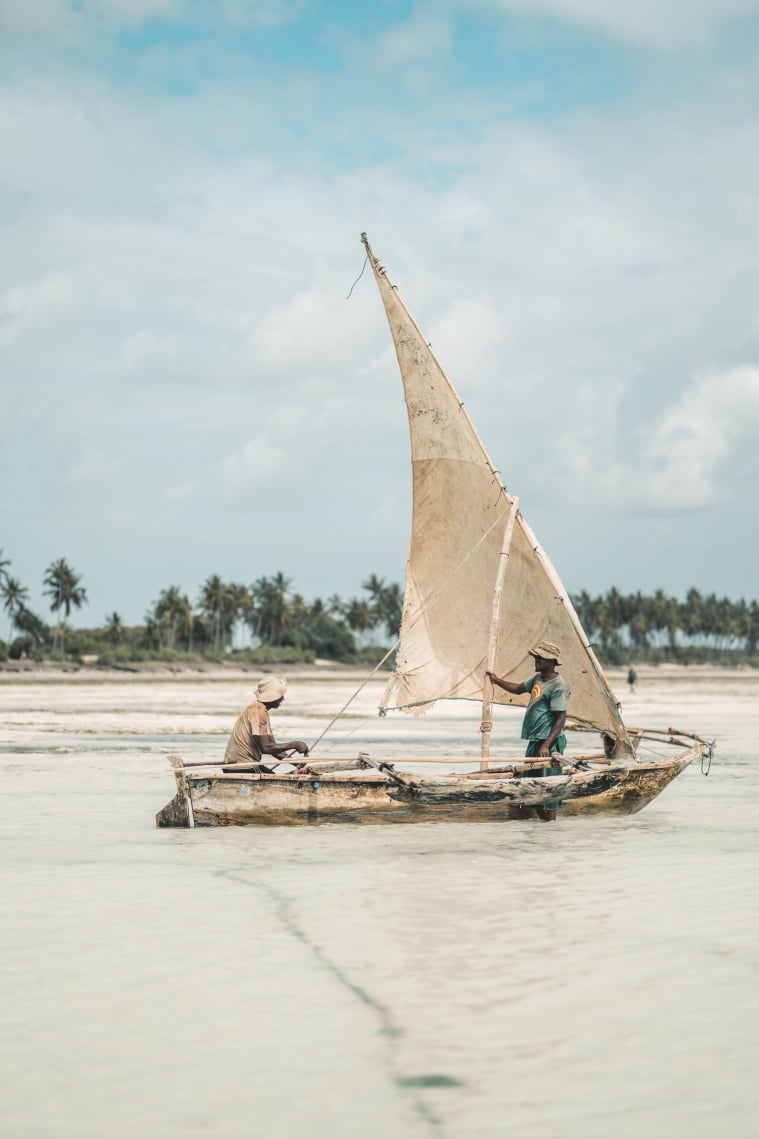
Pemba's coastal villages are among the last places in East Africa where traditional hand-built dhows are still constructed using centuries-old techniques — no plans, no power tools, and no nails. Craftsmen shape planks by eye and memory, steaming and bending them over open fires. A visit to a working dhow yard at Wete or Mkoani is a window into a living maritime tradition that predates the colonial era by a thousand years.

Year-round · Morning visit recommended
Mangrove kayaking Pemba Island
05
Nature · Paddling
Nature · Kayaking

Mangrove Kayaking & Forest Walks

Pemba's mangrove forests are among the largest and least disturbed remaining on the East African coast — a dense, cathedral-like world of arching roots, tidal channels, and extraordinary birdlife. Guided kayak tours thread through the channels at high tide, passing nesting herons and kingfishers; low-tide forest walks explore the root systems on foot. Combined with a half-day snorkel at Mesali, this makes a full and richly varied island day.

Year-round · Kayak tours tide-dependent
Before You Go

Practical Information

Best Time to Visit

June – October offers the best diving visibility (30m+) and calmest seas. October – February is whale shark season at The Pinnacles. The long rains (April–May) reduce visibility but keep prices low and crowds minimal. Clove harvest runs October–January, making this the richest time for cultural tourism.

Getting There

Pemba is served by Karume Airport (PMA) with daily Coastal Aviation and Auric Air flights from Dar es Salaam (1h), Zanzibar (40 min), and Arusha. There is no direct ferry service from the mainland; flying is strongly recommended. Wild Gaze Safaris arranges all internal island flights and transfers.

Entry & Visa

Pemba is part of the Tanzania semi-autonomous region of Zanzibar — a Tanzania visa covers entry. Note that the Zanzibar Immigration stamp received on arrival in Zanzibar is technically required for Pemba visits too; connecting via Zanzibar avoids any ambiguity. We advise on the smoothest routing for your specific itinerary.

Getting Around

Roads on Pemba are improving but remain rough in places — a 4WD vehicle with a local driver is essential for exploring the interior. Wild Gaze Safaris provides private vehicle transfers. For dive sites and coastal ruins, boat transfers are arranged by your lodge or dive centre. No car hire is available on the island.

Currency & Connectivity

Bring USD cash — ATMs exist in Wete and Chake Chake but are unreliable. Most lodges accept credit cards but apply a surcharge. Mobile data (Airtel, Vodacom) works reasonably well in towns and along the coast; remote interior areas have patchy coverage. Wi-Fi is available at most lodges, with variable speed.

Health & Safety

Malaria prophylaxis is essential — Pemba has higher mosquito density than Zanzibar due to its wetter, more forested interior. Decompression illness from diving is the other primary risk; the nearest hyperbaric chamber is in Zanzibar (40-minute flight). Always dive within your certification limits and with a qualified local guide.

Culture & Customs

Pemba is a strongly Muslim island — more conservative than Zanzibar. Dress modestly in towns and villages at all times (shoulders and knees covered). Public displays of affection are frowned upon. Photographing people requires permission. Ramadan is widely observed; plan food and activity timing accordingly. A respectful, unhurried approach is always appreciated.

Accommodation

Options are intentionally limited — Pemba deliberately resists mass tourism. Fundu Lagoon (northwest coast) is the standout luxury option: solar-powered, tented, with its own dive centre and exceptional reef access. Several smaller guesthouses operate in Wete and Chake Chake for budget travellers. Wild Gaze Safaris advises on the best fit for your group.

Pemba Island Extension

Ready to Discover Africa's Last Great Dive Frontier?

Pemba pairs with any northern circuit safari or Zanzibar visit. We handle all flights, transfers, lodging, and diving logistics seamlessly.