+255 684 160 300 +255 754 893 717
Mon–Fri: 9:00AM – 5:00PM Sat–Sun: Closed
Book Now
Zanzibar Island — Wild Gaze Safaris
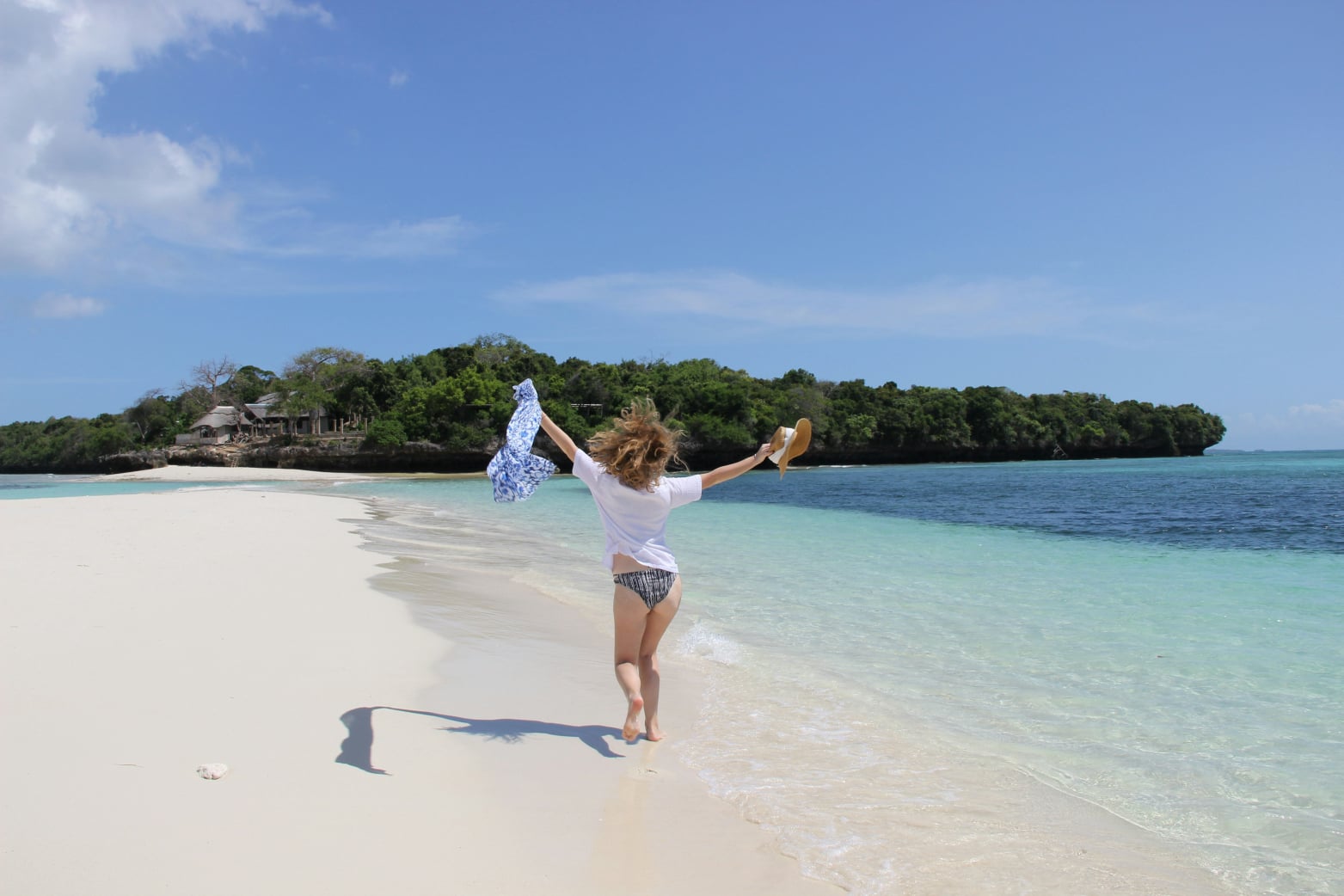
Zanzibar Island — turquoise waters and white sand
Wild Gaze Safaris · Indian Ocean

The Spice Island Zanzibar

A jewel of the Indian Ocean — ancient coral-stone cities, pristine reef-fringed beaches, and the fragrant legacy of centuries of trade. Pair your Tanzania safari with an unforgettable island escape.

1,666
km² Island Area
45+
Dive Sites
~30°C
Year-Round Water Temp
2,500+
Years of Recorded History
UNESCO
Stone Town World Heritage
Indian Ocean Archipelago

Where Safari Ends & Paradise Begins

Zanzibar is the perfect finale to any Tanzania safari — an archipelago of coral islands anchored in warm turquoise waters just 35 kilometres off the coast. Zanzibar Island (Unguja), the largest of the group, combines a UNESCO-listed historic city with beaches that rank among Africa's finest, rich coral reefs, and a culture shaped by Arab, Persian, Indian, and Swahili influences over millennia.

The island was for centuries the heart of the East African spice trade, and cloves, nutmeg, cinnamon, and vanilla still perfume the interior. In Stone Town, carved wooden doorways open onto narrow alleys unchanged for hundreds of years. On the beaches of the east and north coast, the Indian Ocean delivers conditions ideal for snorkelling, scuba diving, kayaking, and sailing traditional dhows.

Wild Gaze Safaris can arrange a seamless Zanzibar extension from any of the northern circuit parks — transfers, accommodation from boutique guesthouses to luxury beachfront lodges, and curated excursions included.

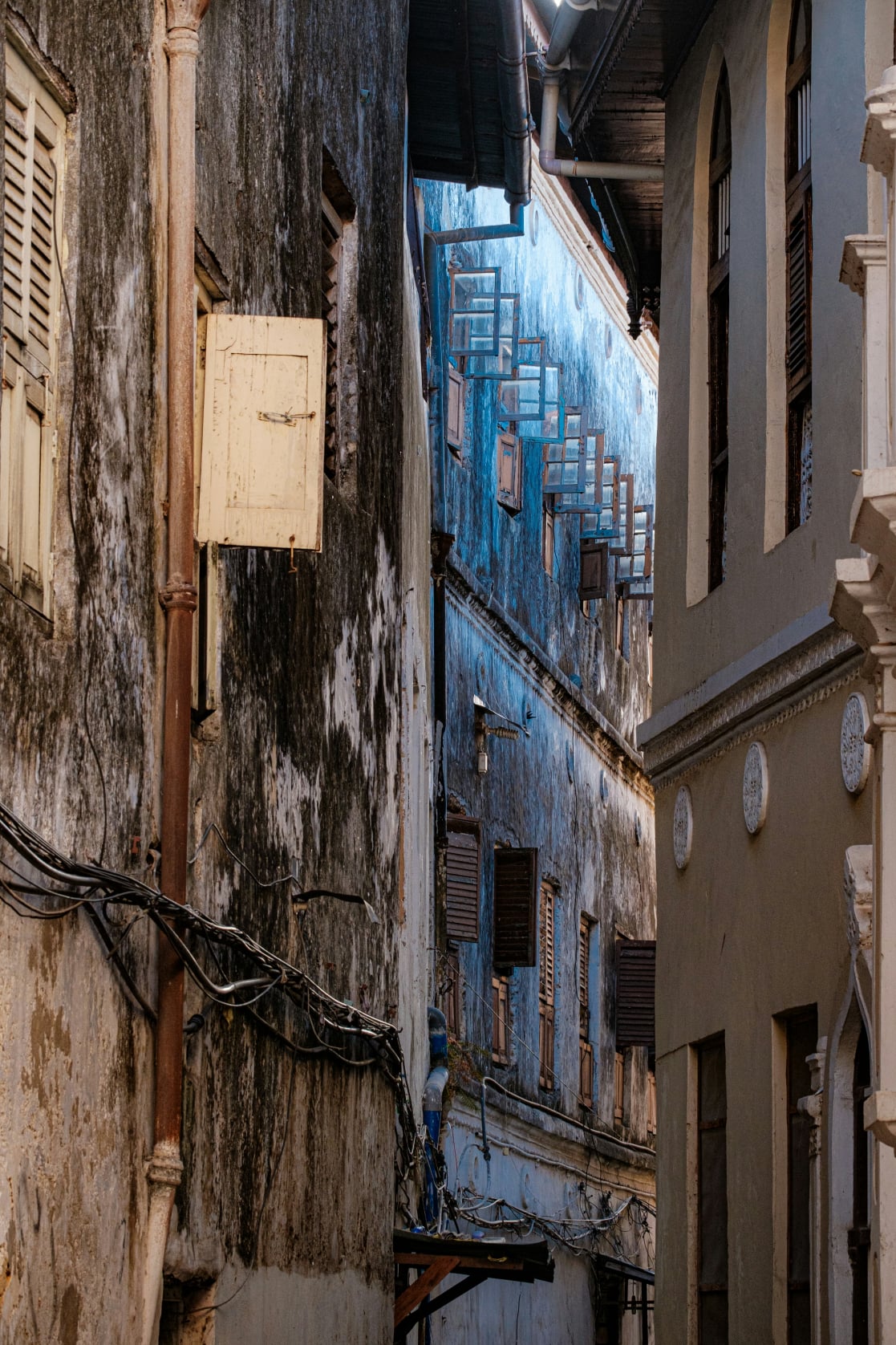
Stone Town Zanzibar historic buildings Zanzibar beach turquoise water
2,500 Years of History
UNESCO World Heritage Site

Stone Town — The Ancient Heart

A living museum of Swahili, Arab, Indian, and European cultures compressed into a labyrinth of coral-stone streets, carved doorways, and sun-bleached arcades.

Stone Town is an extraordinary place to explore. The ancient maze of narrow streets is a patchwork of historic coral-stone buildings, their facades shaded by elegantly carved balconies, loggias, and verandas that cling precipitously overhead. The cumulative effect — the call to prayer woven through market sounds, the scent of cloves and cardamom, the flash of silver jewellery — is unlike anywhere else in the world.

Stone Town gives a genuine, unvarnished glimpse of Zanzibar's essence: the sights, sounds, and smells of the market, harbour, mosques, and restaurants. The Sultan's Palaces and landmark buildings such as the House of Wonders and the Arab Fort have been thoughtfully restored. In the evenings, Forodhani Gardens fill with smoke from the harbour-front barbecue stalls and the glow of the curio markets, where the whole city seems to gather in the warm sea air.

The Old Fort (Arab Fort)

Built by Omani Arabs in the late 17th century over the ruins of a Portuguese chapel, the Old Fort is the oldest surviving structure in Stone Town. Today it hosts craft stalls, an open-air amphitheatre used for live performances, and a pleasant café — the ideal first stop on any walking tour.

House of Wonders (Beit el-Ajaib)

The tallest and grandest building in Stone Town, the House of Wonders was the first building in East Africa to have electricity and an elevator when it was completed in 1883 for Sultan Barghash. Its tiered facade and sweeping harbour views make it one of the island's most iconic landmarks.

Forodhani Gardens & Night Market

As dusk falls along the harbour front, Forodhani Gardens transforms into Zanzibar's most atmospheric open-air dining experience. Vendors grill fresh seafood, Zanzibar pizza, sugarcane juice, and urojo soup by gaslight as locals and visitors mingle in equal numbers — a world apart and well worth savouring.

Darajani Market

Zanzibar's main covered market buzzes from dawn with fresh fish, tropical fruit, live poultry, and sacks of whole spices — cinnamon, cardamom, cloves, nutmeg. The adjacent Darajani bazaar is the place to find Kangas, silver jewellery, and hand-carved furniture at local prices.

Slave Market Memorial & Cathedral

One of the most important historical sites in East Africa, the former slave market — once the largest in the Indian Ocean world — is now home to an Anglican cathedral and a sobering underground memorial. A guided tour here provides essential context for understanding Zanzibar's complex past.

Island Activities

Zanzibar Experiences

From pristine reefs to fragrant spice farms — the island offers a remarkable variety of experiences beyond the beach.

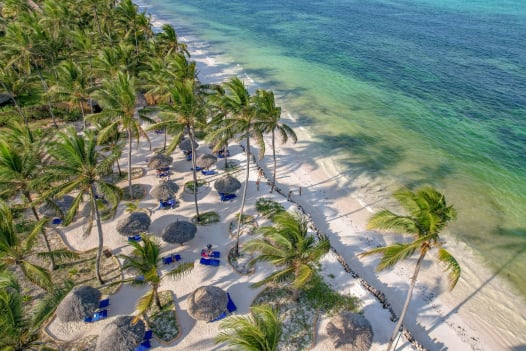
Zanzibar white sand beach
01
North & East Coast
Beaches · Coastline

White-Sand Beaches

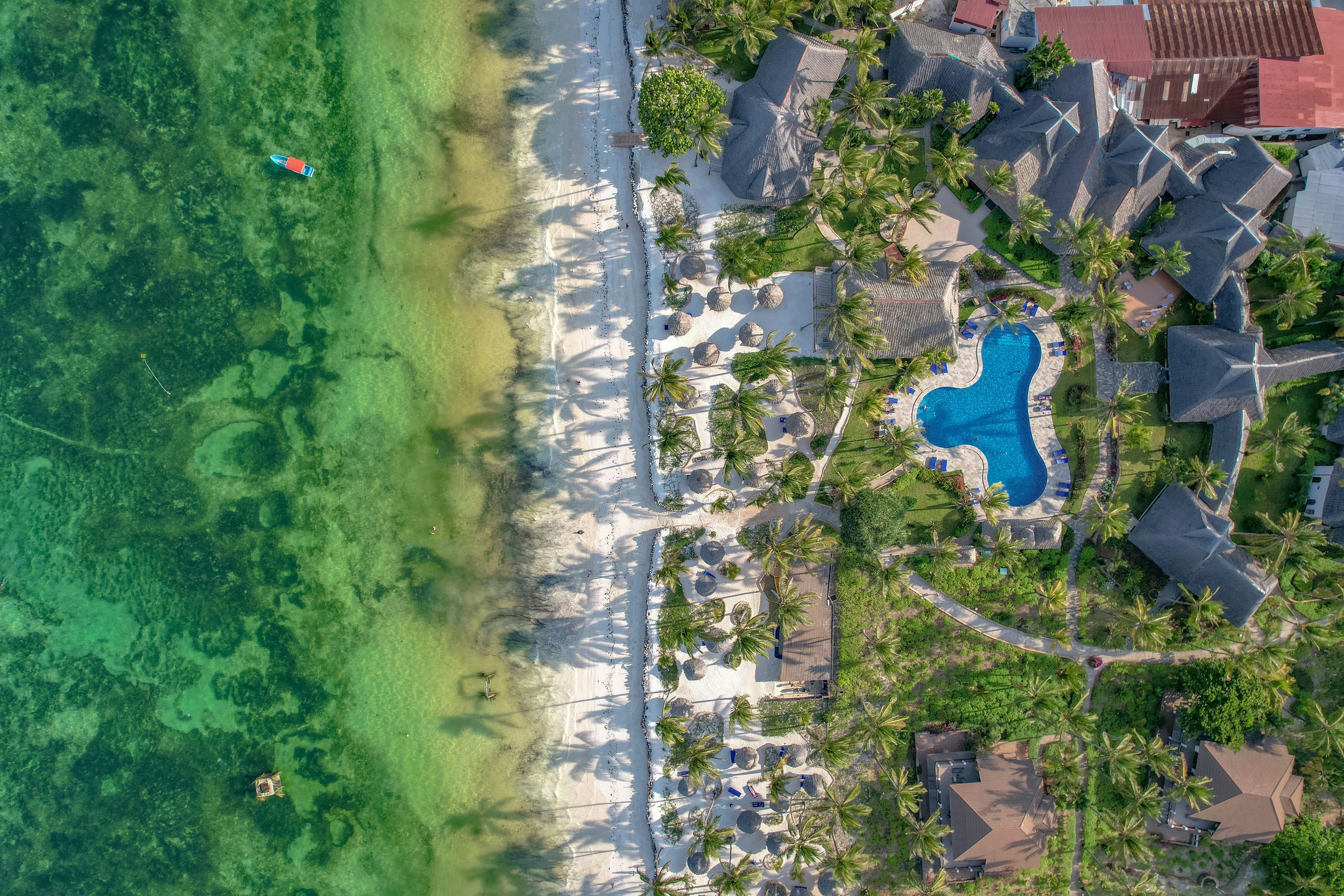
Zanzibar's beaches are among the finest in Africa. Nungwi and Kendwa in the north offer calm, swimmable water year-round and a lively beach scene. Paje and Jambiani on the east coast draw kitesurfers and those seeking a quieter stretch. The water is warm (28–30°C), the sand white, and the colour of the sea — aquamarine over sand, deep blue beyond the reef — is frankly extraordinary.

Best season: Jun – Oct & Dec – Feb
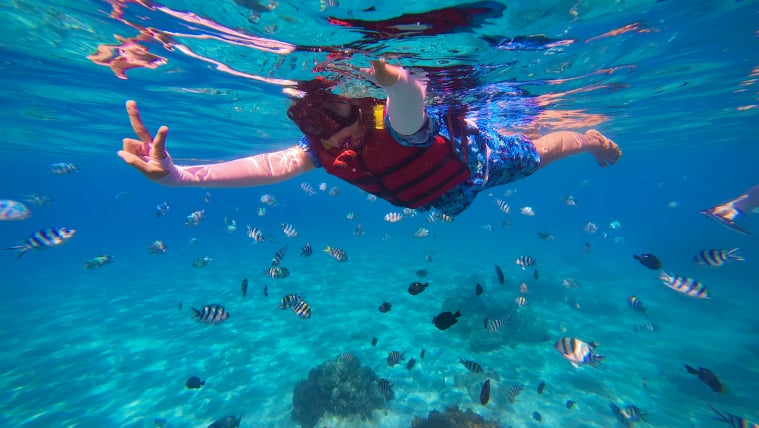
Scuba diving Zanzibar reef
02
Marine Park
Ocean · Diving

Diving & Snorkelling

With 45+ dive sites, Zanzibar offers world-class diving year-round. Mnemba Atoll — a protected marine reserve off the northeast coast — regularly produces dolphin encounters, hawksbill turtles, whale sharks (October–February), and pristine hard coral gardens. Snorkelling excursions run daily from most beach resorts.

Whale sharks: Oct – Feb
Zanzibar spice farm cloves nutmeg
03
Cultural Tour
Culture · History

Spice Farm Tour

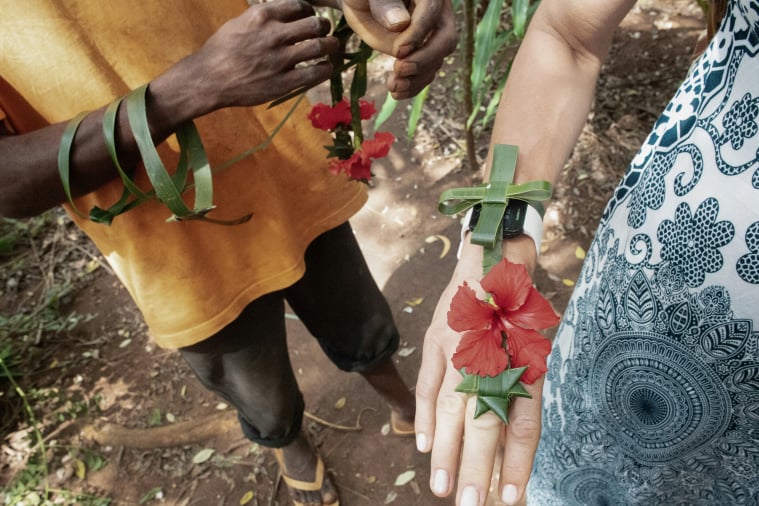
The island earned the name "Spice Island" from the clove, cinnamon, nutmeg, vanilla, and cardamom plantations that once supplied the world. Half-day guided farm tours take you through working spice and fruit plantations — hands-on, aromatic, and genuinely fascinating. Finish with a multi-course spice lunch prepared by the farm.

Year-round · Half-day activity
Traditional dhow sailing Zanzibar
04
Sailing
Ocean · Sunset

Dhow Sunset Cruise

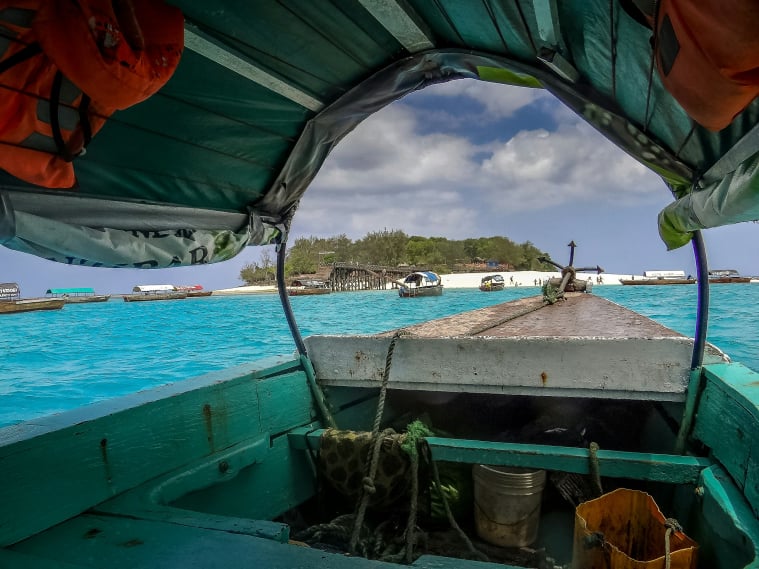
The traditional wooden dhow has sailed East African waters for over a thousand years, carrying spices, ivory, and traders across the monsoon-driven sea. A sunset cruise aboard one of these vessels — with cold drinks, fresh seafood, and the silhouette of Stone Town's minarets fading astern — is one of Zanzibar's defining experiences.

Year-round · 2–3 hour cruise
Giant tortoises Prison Island Zanzibar
05
Excursion
Wildlife · Day Trip

Prison Island & Dolphin Tours

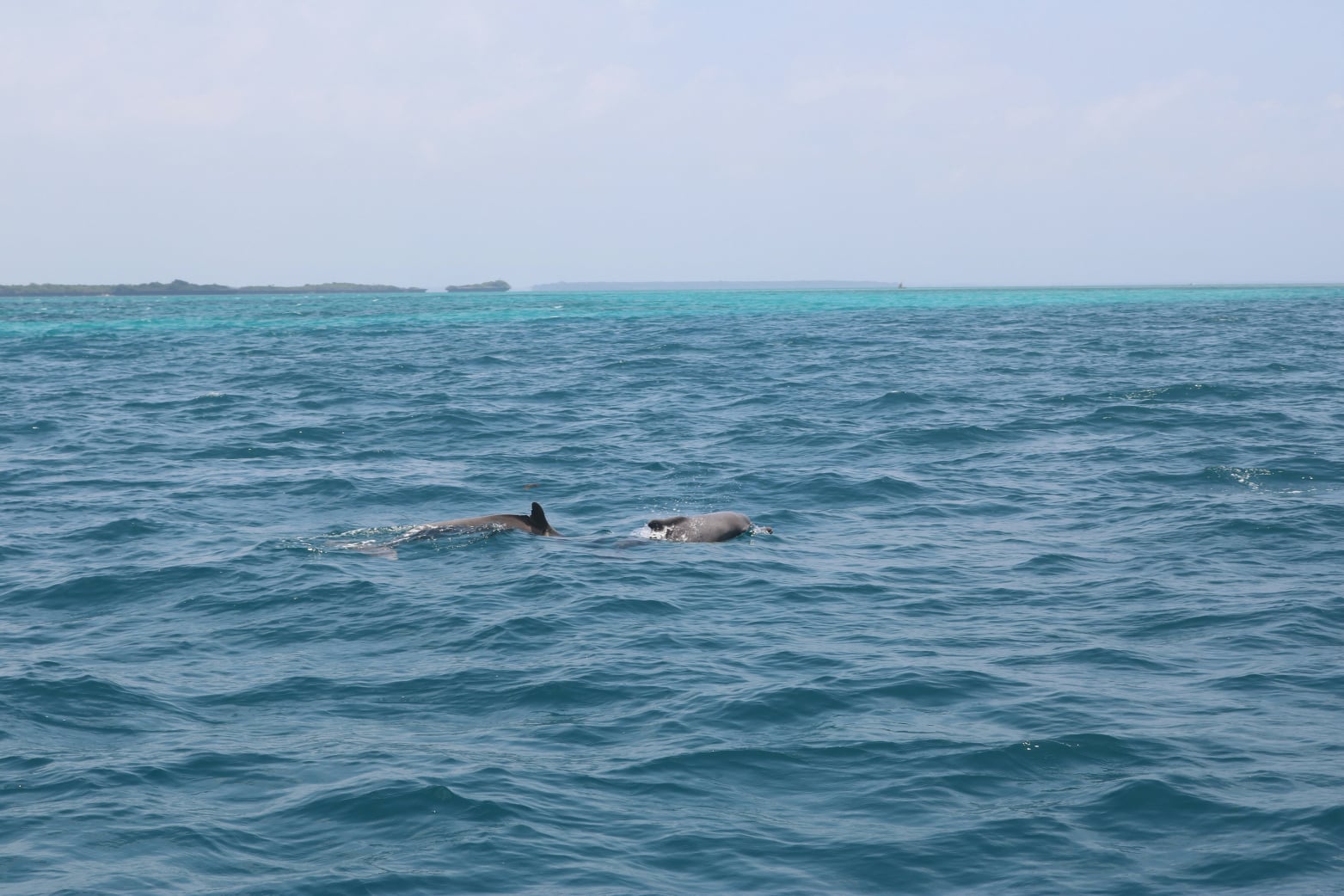
Changuu Island — known as Prison Island — lies 5 km off Stone Town and is home to a colony of giant Aldabra tortoises, some well over a century old. A short boat ride away, the waters off Kizimkazi in the south host resident pods of Indo-Pacific bottlenose and humpback dolphins, observable year-round on guided snorkel tours.

Year-round · Dolphins most active at sunrise
Before You Go

Practical Information

Best Time to Visit

June – October and December – February are the peak seasons — dry, sunny, and ideal for beaches and diving. The long rains run April–May; the short rains in November. Zanzibar is pleasant year-round, with the tradewind season (June–Sept) offering excellent kitesurf conditions on the east coast.

Entry & Visa

Zanzibar is part of Tanzania, so a Tanzania visa covers your stay — no separate permit is required. The East Africa Tourist Visa covers Tanzania, Kenya, and Uganda in a single permit. Wild Gaze Safaris handles all permit logistics as part of your itinerary package.

Getting There

Zanzibar is served by Abeid Amani Karume International Airport (ZNZ) with direct flights from Dar es Salaam (20 min), Nairobi, Arusha, and seasonal direct services from Europe. Fast ferries link Zanzibar to Dar es Salaam in approximately two hours. We arrange all internal transfers.

Getting Around

Wild Gaze Safaris provides private vehicle transfers between the airport, Stone Town, and your beach resort. Within Stone Town, the most rewarding way to explore is on foot with a guide. Dala-dalas (minibuses) connect Stone Town to most villages across the island for independent travel.

Currency & Payment

The Tanzanian Shilling (TZS) and US Dollars are both widely accepted. USD cash is recommended for small purchases and tips. Major hotels and restaurants accept credit cards. ATMs are available in Stone Town. USD 1 notes are essential for tipping porters, guides, and restaurant staff.

Health & Safety

Malaria prophylaxis is recommended. Ensure your yellow fever vaccination is up to date if arriving from an endemic country. Tap water should not be drunk — bottled water is universally available. General safety is good; the main caution is petty theft in crowded areas of Stone Town, which a guide will help you avoid.

Culture & Customs

Zanzibar is a predominantly Muslim island — dress modestly away from beach areas (shoulders and knees covered in Stone Town), especially during Ramadan. Ask before photographing people. The Swahili greeting Jambo or Habari is always well received. Removing shoes before entering mosques and some guesthouses is expected.

Internet & Connectivity

Wi-Fi is available in most hotels and restaurants. Local SIM cards (Airtel, Vodacom) can be purchased at the airport and provide good 4G coverage across the island at low cost. International roaming is available but expensive; a local SIM is recommended for any stay longer than two days.

Zanzibar Extension

Ready to Add Zanzibar to Your Safari?

Most northern circuit safaris can include a seamless 3–5 night Zanzibar extension. We handle all transfers, accommodation, and island activities.